Watering7 min read
When to Water Your Garden: Reading Soil, Plants, and Weather
A watering schedule can be a helpful reminder, but it cannot tell you exactly what is happening beneath the soil. A warm breeze, a crowded pot, a shady border or a sudden downpour can all change how quickly plants use water. Instead of reaching for the hose automatically, take a few minutes to read the garden. These simple checks will help you water beds and containers when they need it, make better use of each watering and keep your outdoor space looking cared for.

Start With a Finger in the Soil
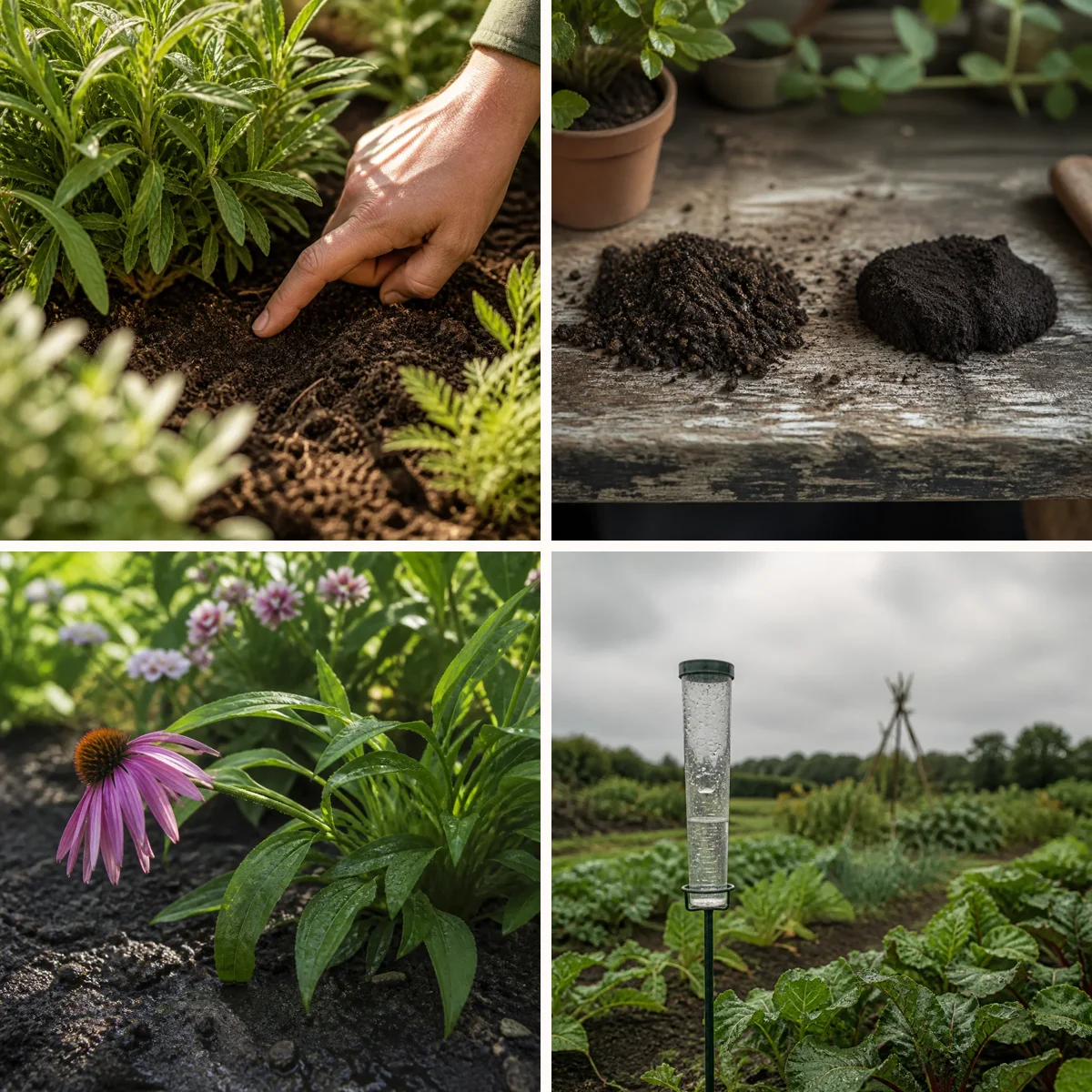
The surface of a bed can look dry while the soil around the roots is still damp. Push a finger about 2 inches into the soil near a plant, avoiding the immediate edge of the stem. If it feels dry at that depth, many established garden plants are ready for water. If it feels cool and moist, check again later. For plants that prefer consistently moist soil, check more often and water before the root zone dries out substantially. Test several spots rather than relying on one. Soil can dry unevenly beneath overhanging foliage, along bed edges and near walls. A narrow trowel is useful when soil is too firm for your finger: lift a small slice and look at the darker, damper soil below the surface. Replace it gently so nearby roots stay covered.
Learn How Your Soil Holds Water
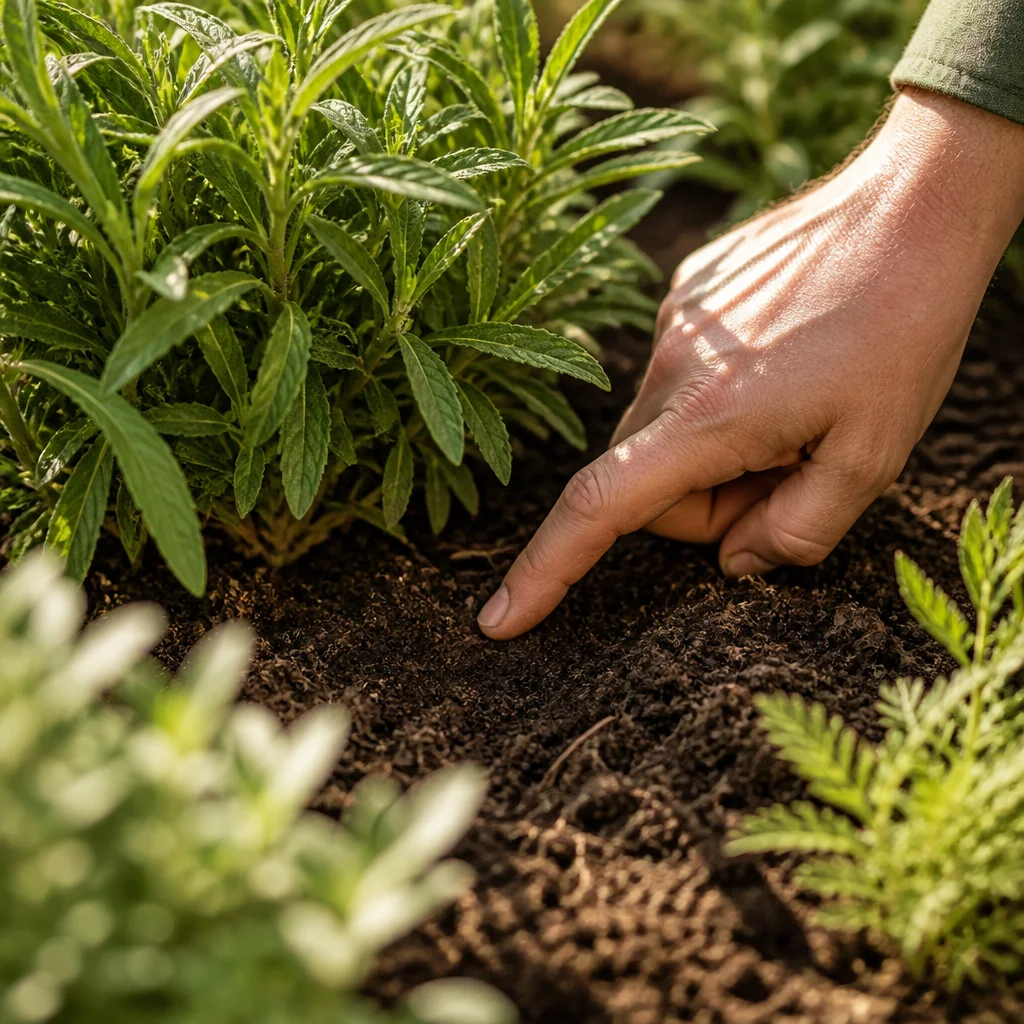
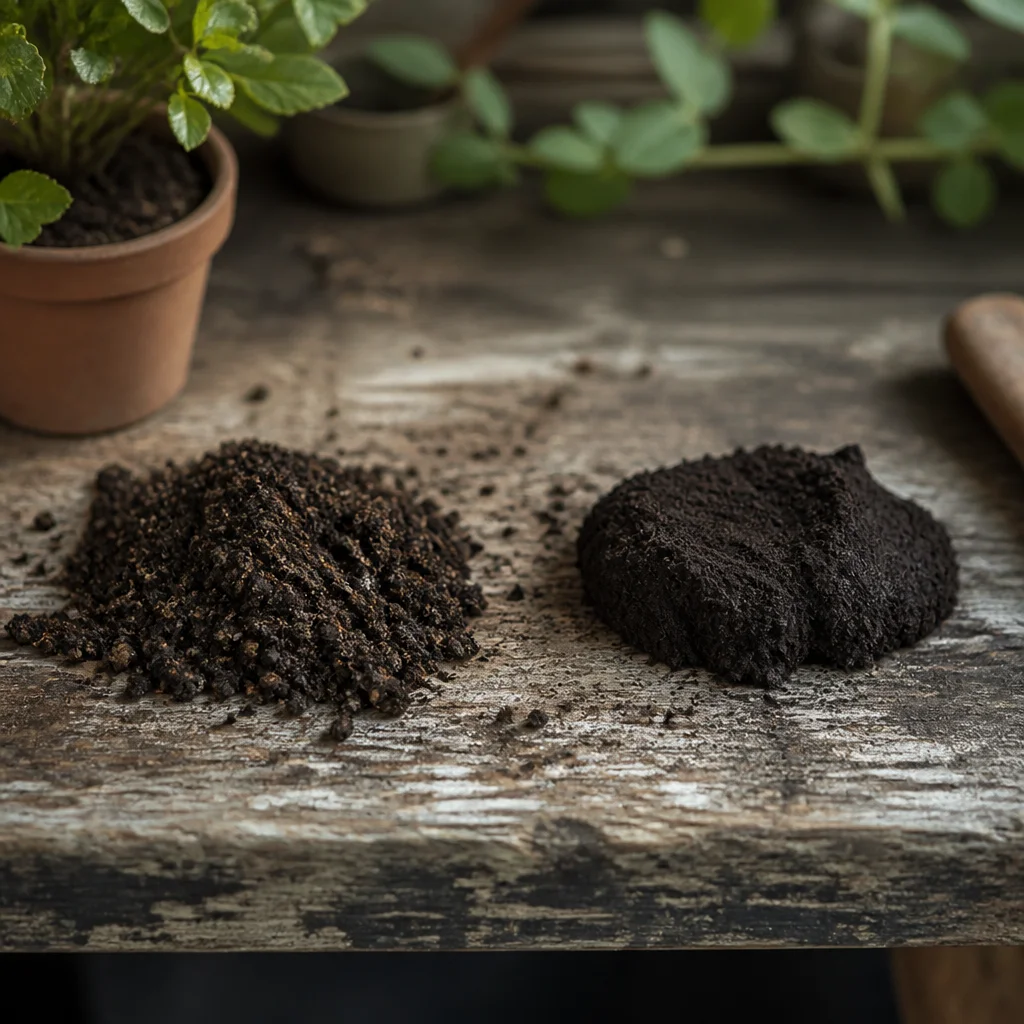
Soil texture affects both timing and technique. Sandy soil tends to drain quickly and may need smaller, more frequent waterings. Clay soil usually holds moisture longer, but water can run off its surface if applied too fast. Loamy soil generally falls somewhere between these extremes. Squeeze a handful of slightly damp soil: a gritty handful that falls apart suggests sand, while a sticky handful that holds its shape suggests more clay. Use that observation as a starting point, not a fixed rule. Add compost to garden beds over time to support soil structure, and use the finger test to see how conditions change. On a sloping or clay-heavy bed, pause between short watering passes so moisture has time to soak in rather than travel across a path.
Read Leaves Alongside the Soil
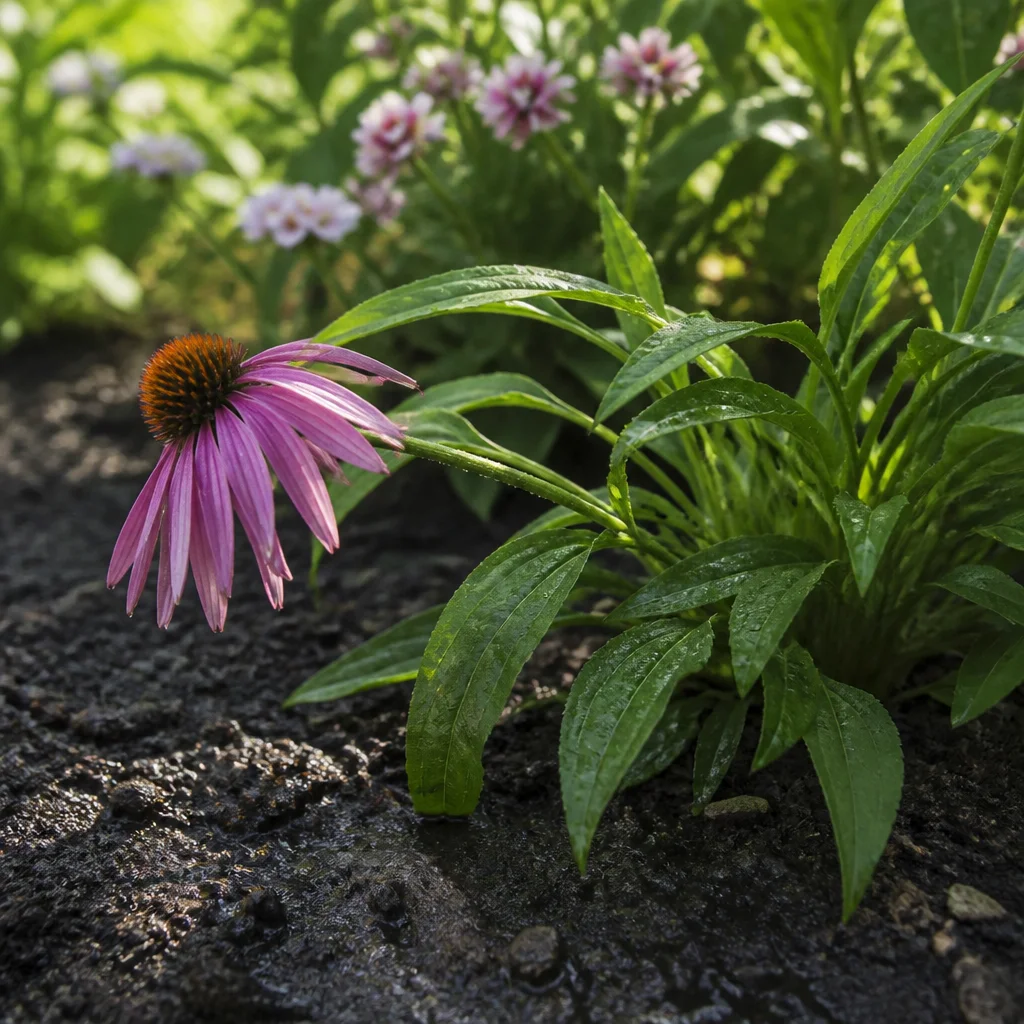
Drooping leaves can be a useful signal, but they do not always mean a plant needs water. Some plants wilt temporarily during the hottest part of the day and recover as temperatures fall. Check the soil before watering; if it is already moist, adding more may leave roots short of air. Persistent wilting in wet soil can also point to drainage or root problems. Look for patterns over several days. Leaves that remain limp in the cooler morning, combined with dry soil, suggest it is time to water. Crisp brown edges may also appear after drying, although wind, salt and other stresses can cause similar damage. Remove badly damaged leaves where appropriate, but focus first on correcting the growing conditions rather than assuming every brown patch has the same cause.
Let Weather Change Your Routine
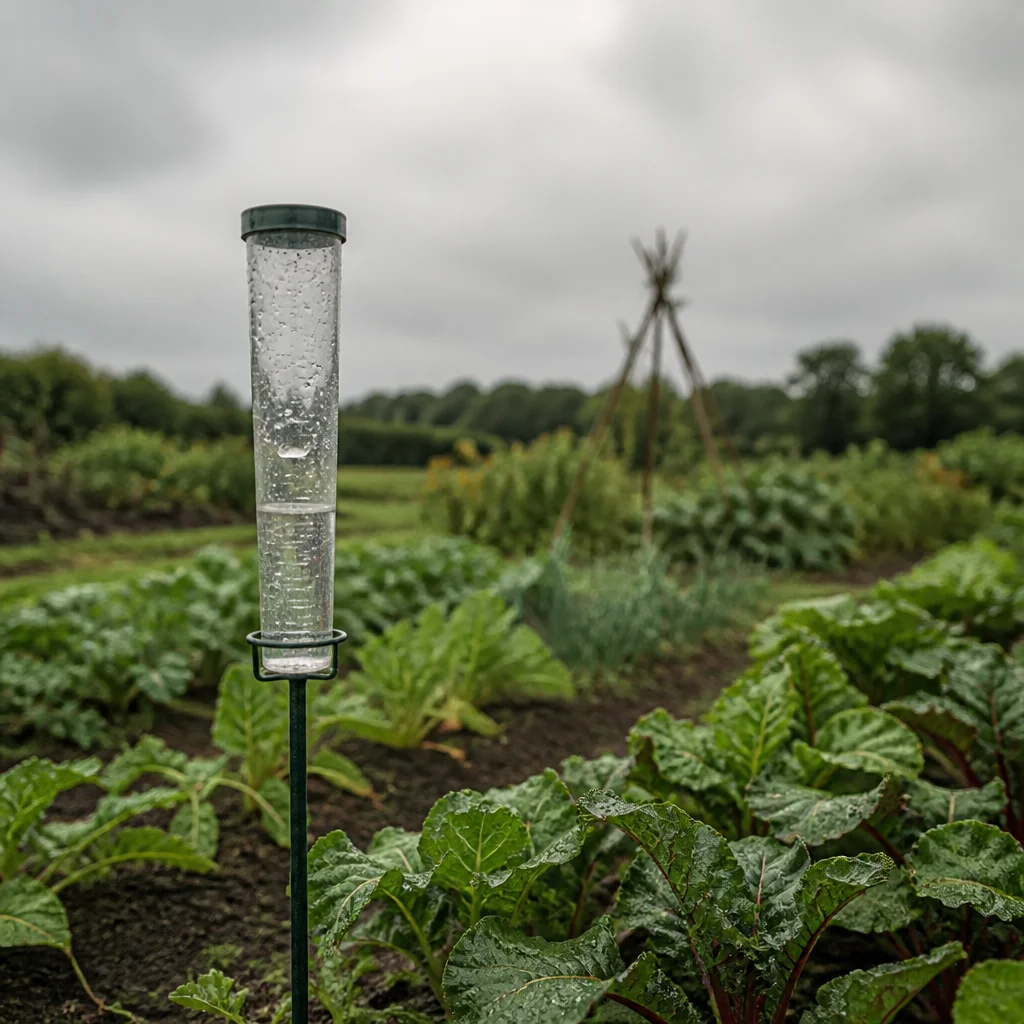
Heat, wind and low humidity can pull moisture from leaves and soil quickly, even when the sky is cloudy. Check exposed beds more often during a warm, breezy spell, and pay particular attention to new plantings and pots. In cool, still weather, soil may stay damp much longer, so a watering that was useful last week may be unnecessary today. Rain is helpful, but a brief shower may wet only the surface, especially beneath dense foliage. After rain, check the soil at root depth before putting the hose away. A simple rain gauge in an open spot can help you compare rainfall with what you find in the ground. Forecasts are useful for planning, but base the final decision on actual soil moisture.
Water Beds Slowly and Deeply
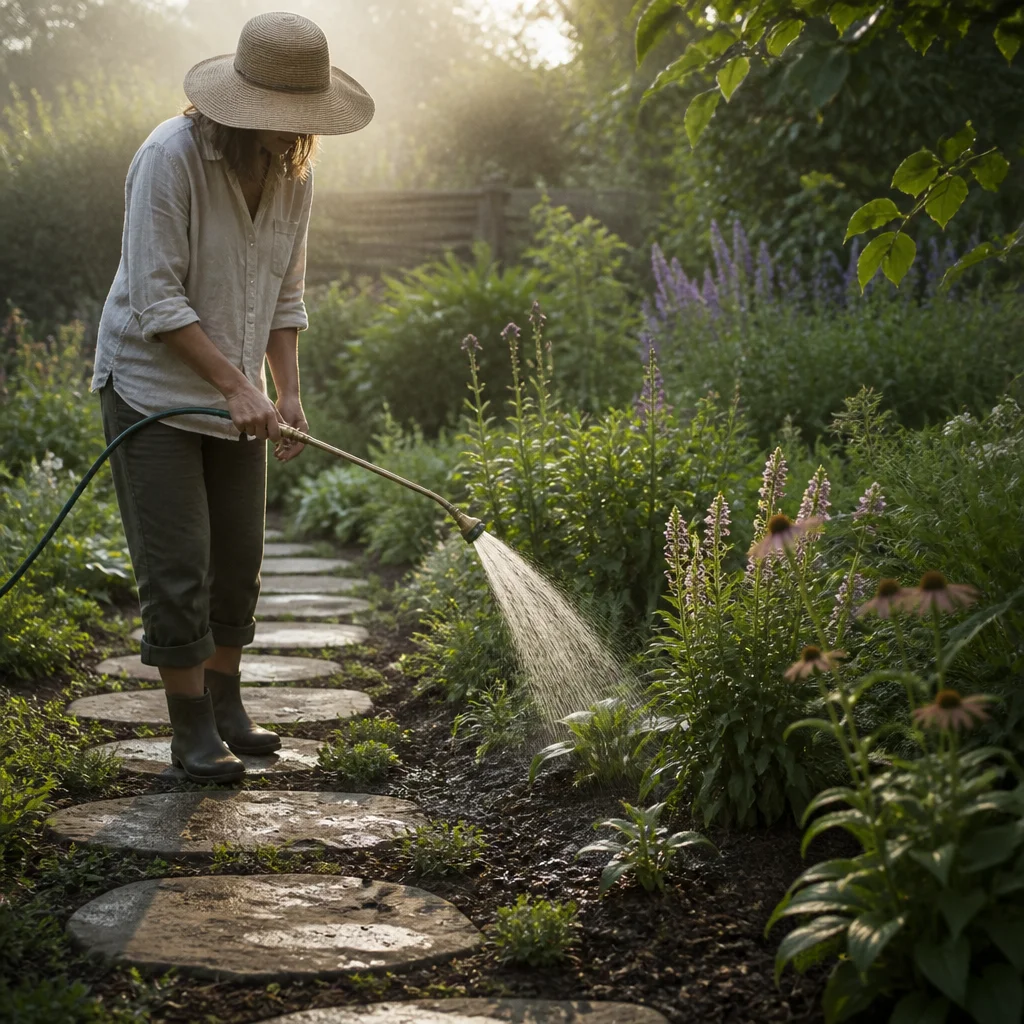
When a garden bed needs water, aim it at the soil rather than spraying lightly over the leaves. A watering wand held low, a soaker hose or drip irrigation can deliver moisture near the roots. Water slowly enough that it sinks in, then stop and check with a trowel. For established plants, look for moisture extending several inches down rather than a thin damp crust. The exact depth and amount depend on the plants and soil. Early morning is often convenient: foliage has time to dry during the day, and there is usually less heat and wind than in the afternoon. If a thirsty plant needs help later, water it rather than waiting for a perfect hour. Arrange stepping stones or a narrow path through wide beds so you can reach the soil without compacting it.
Give Containers Their Own Check
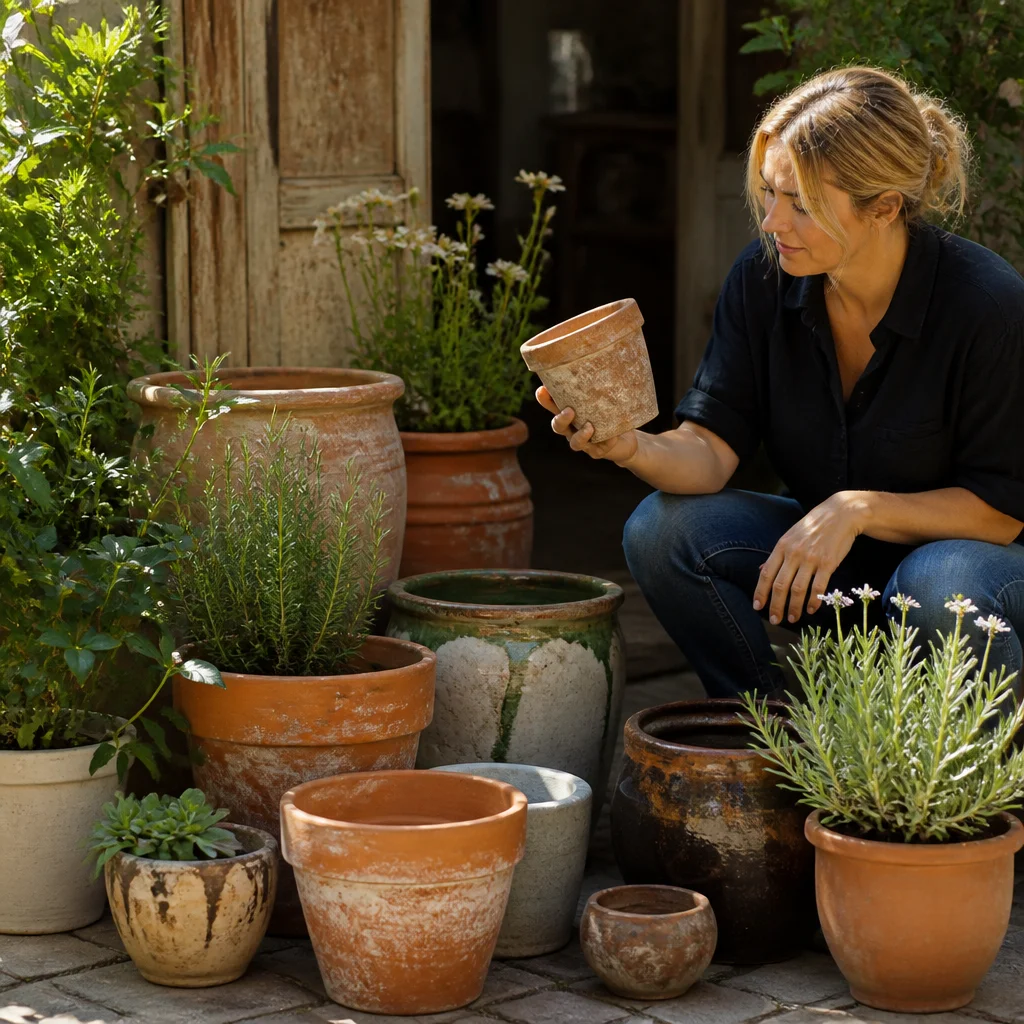
Pots often dry faster than garden beds because their roots have a limited volume of growing mix and the sides of the container can warm in the sun. Check them at least daily during hot or windy weather, and check small pots or hanging baskets more often when conditions are extreme. Push a finger into the mix and lift a manageable pot to learn the difference between its watered and dry weight. When a pot needs water, apply it slowly across the surface until excess begins to drain from the bottom. Empty saucers after watering so roots are not left standing in water, unless the plant specifically likes wet conditions. Choose containers with drainage holes and group pots with similar moisture needs. A cluster of varied heights can look deliberate while making daily checks easier.
Adjust for New Plants and Established Roots
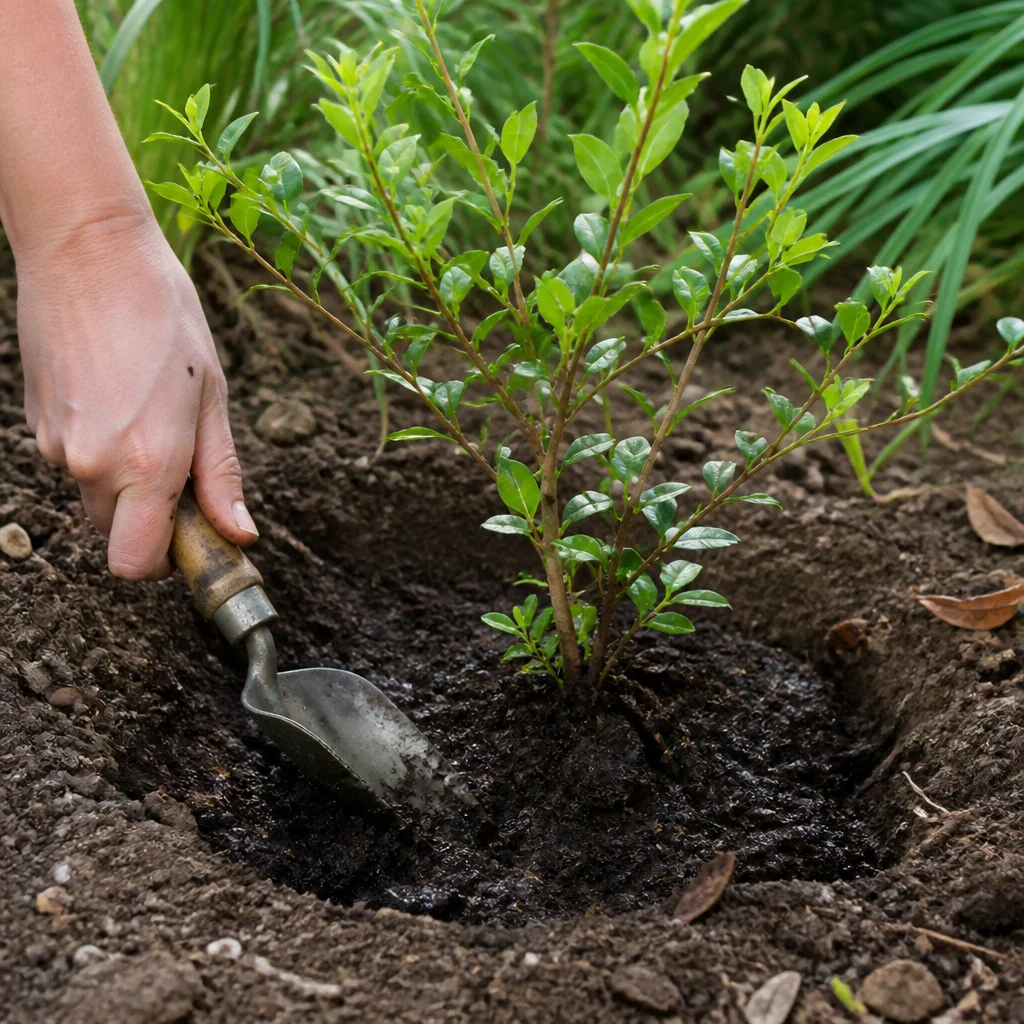
Newly planted seedlings, shrubs and perennials need closer attention than established neighbors because their roots have not yet spread into the surrounding soil. Check the original root ball as well as the soil around it; one can be dry while the other remains damp. Water thoroughly when needed, then check again rather than assuming a fixed interval will suit every plant. As plants establish, encourage roots to explore by watering the wider planting area when it dries, not just the stem base. Established drought-tolerant plants may need less frequent help, but even they can struggle during prolonged heat. Keep a simple note of planting dates and unusually dry periods so you remember which areas deserve an extra look.
Use Mulch to Keep Moisture More Even
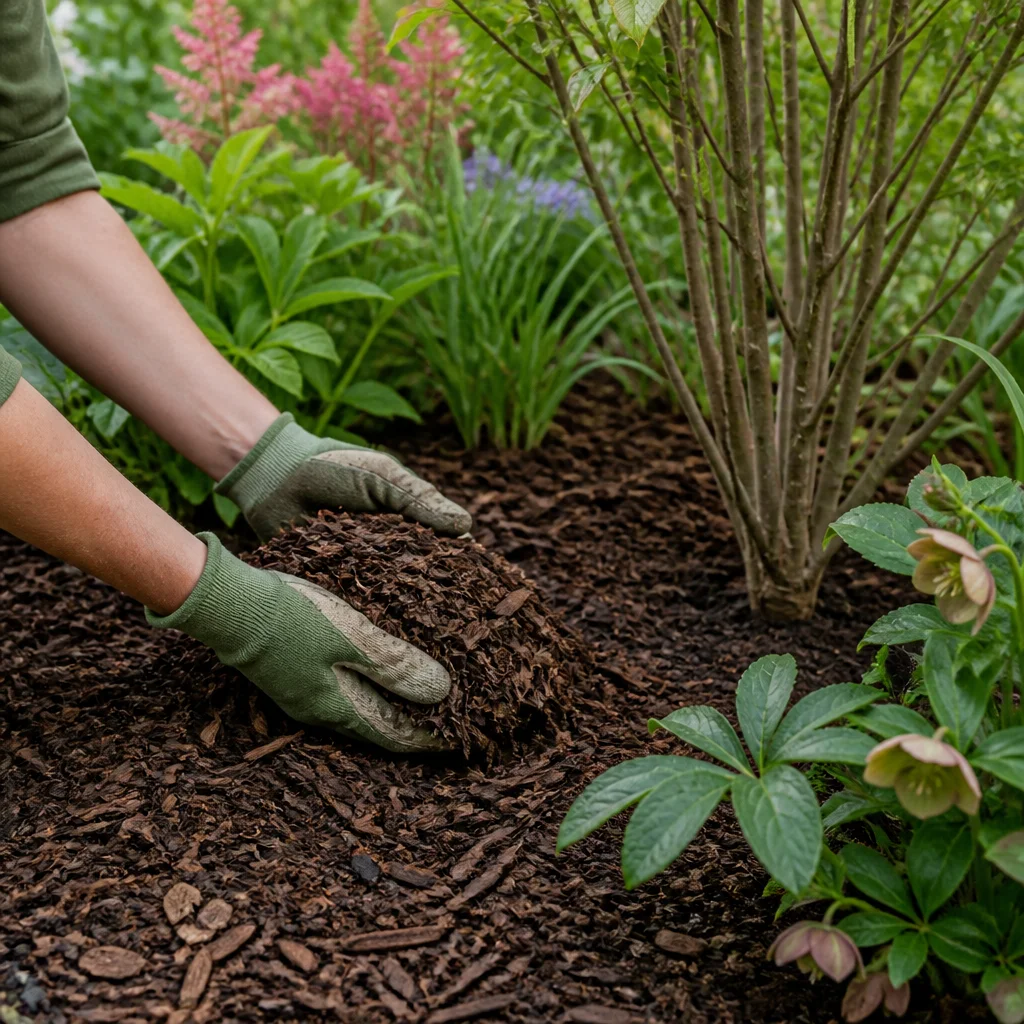
A layer of organic mulch, such as shredded bark or leaf mold, helps slow evaporation and softens fluctuations in soil temperature. After watering and weeding, spread roughly 2 to 3 inches over exposed soil in established beds. Keep it a few inches away from plant stems and tree trunks to reduce the chance of persistent dampness against the bark. Mulch also gives a border a calm, finished appearance and visually connects plants of different sizes. Choose a texture that suits the space: fine material can sit comfortably around small perennials, while coarser bark works well beneath shrubs. Check soil beneath the mulch with your finger; the top of the mulch may look dry even when the soil below still has moisture.
Make Checking the Garden a Pleasant Habit
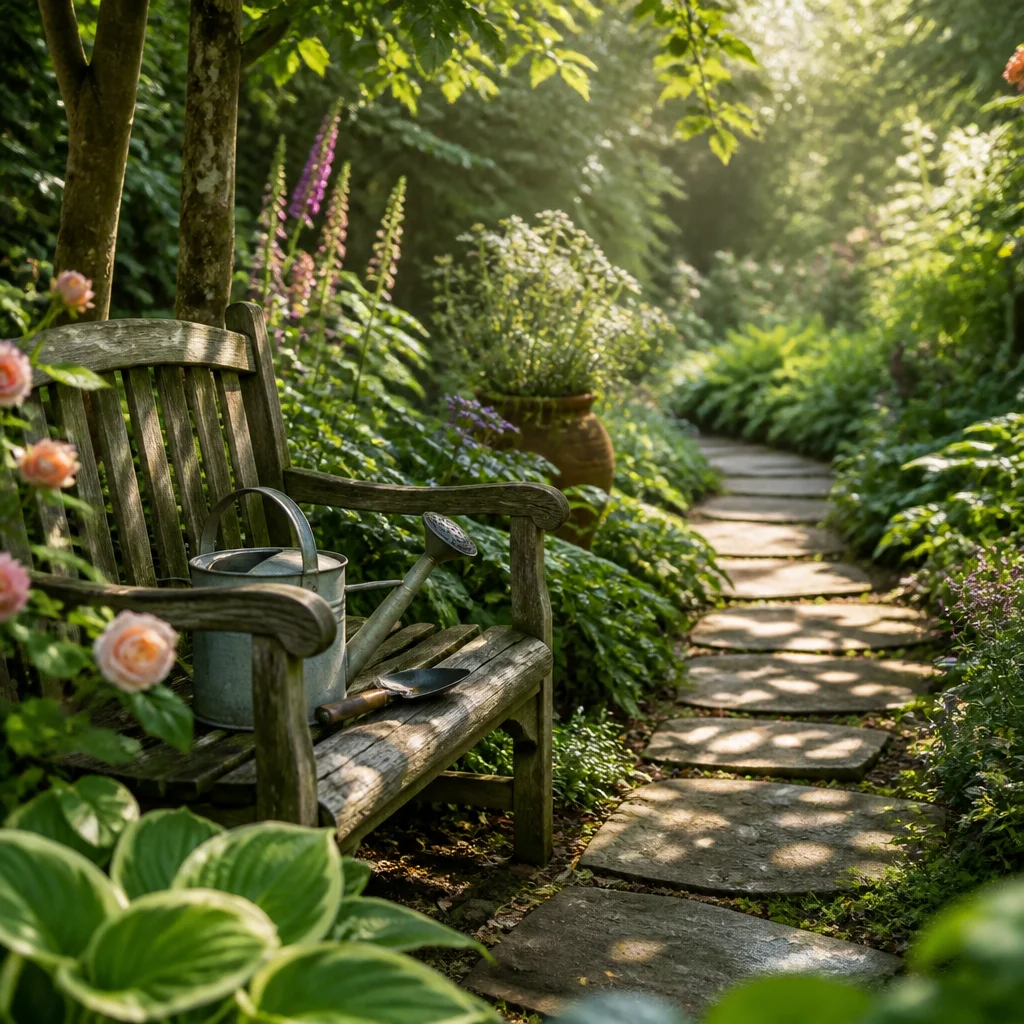
Build a short walk into your routine instead of setting an automatic watering day. Start with the sunniest containers, continue through exposed beds and finish in cooler, shaded corners. Carry a small trowel or keep one near the back door, and group a watering can and hose where they are easy to reach. A simple bench beside a path gives you a place to pause and notice changes in foliage and soil. Over a few weeks, you will begin to recognize which pots dry first and which beds stay moist after rain. Adjust as seasons change and plants grow. The goal is not to keep every surface constantly damp; it is to give each plant enough water at the roots while allowing the soil and its drainage to do their work.
How did this story make you feel?
Choose one reaction. You can change it later.