Pests & Diseases6 min read
How to Spot and Manage Aphids in the Garden
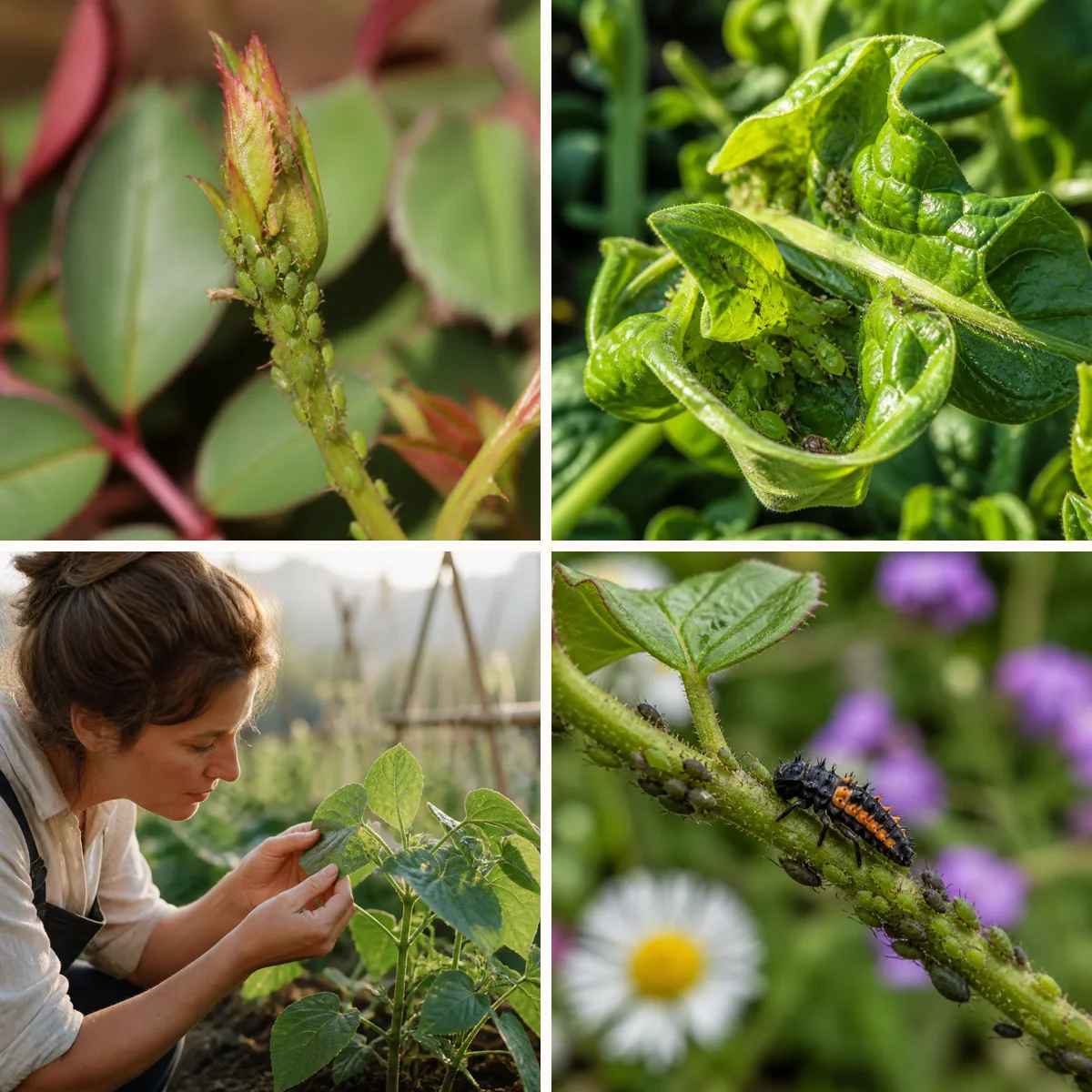
Aphids can appear almost overnight, gathering on the tender growth of roses, vegetables, herbs, and many other garden plants. Their presence is not always a crisis: a small colony may disappear as lady beetles, lacewings, and birds find it. The key is to notice changes early, distinguish aphids from other garden visitors, and choose the least disruptive response. With regular checks and a welcoming habitat for beneficial insects, you can protect vulnerable plants without turning every blemish into a battle.

Look Closely at Tender New Growth
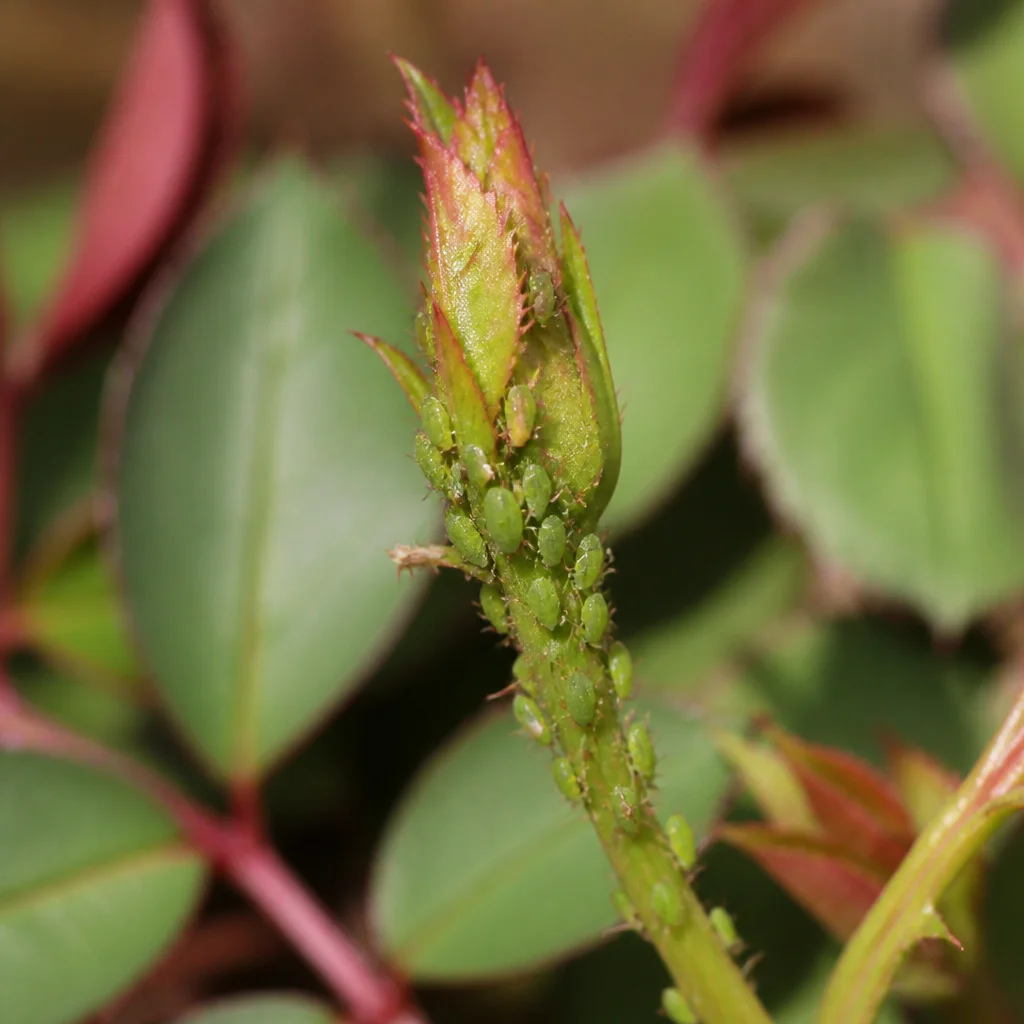
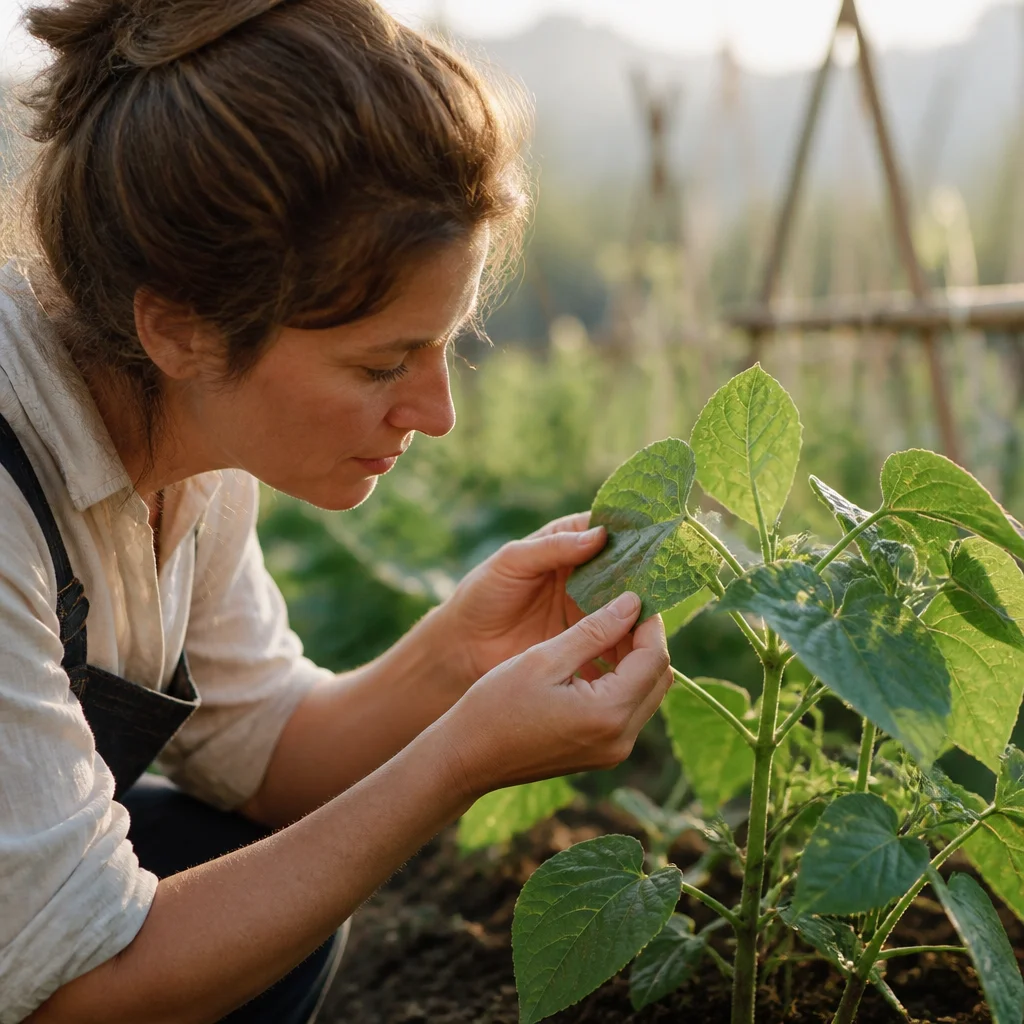
Aphids are small, soft-bodied insects, often pear-shaped, that gather where plants are growing most actively. Look along young stems, around flower buds, and beneath fresh leaves. Depending on the species, they may be green, black, yellow, pink, or gray, so color alone is not a reliable identifier. Many have two short tube-like structures projecting from the rear of the body, although you may need a magnifying glass to see them. Some adults develop wings and move to other plants. Make inspection part of an ordinary watering or harvesting routine. Turn over several leaves rather than scanning only the top of the plant, and check the soft tips that are easiest for aphids to feed on. A few insects scattered among healthy growth call for observation, not necessarily immediate treatment.
Read the Signs on Leaves and Stems
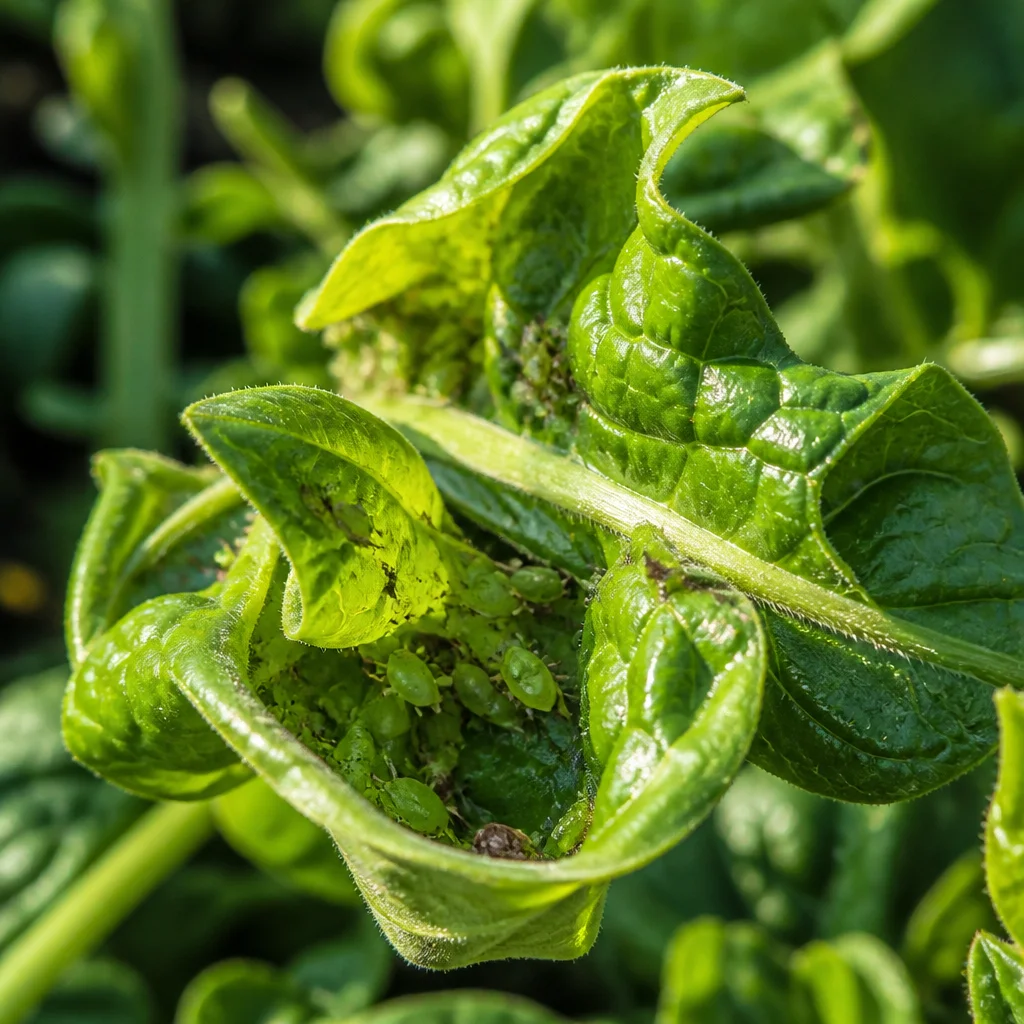
Aphids feed by drawing sap from plants. Concentrated feeding on new growth can leave leaves curled, puckered, or distorted, and flower buds may open poorly. Because several problems can cause similar symptoms, look for the insects themselves before deciding aphids are responsible. Old damage may remain visible even after a colony has gone, so judge whether fresh growth is still being affected. Another clue is honeydew, a sticky substance aphids excrete onto leaves and surfaces below. A dark, sooty fungus can grow on this residue, shading leaf surfaces and making a plant look dirtier than it is. Ants traveling up stems may also signal honeydew-producing insects, although ants alone do not confirm an aphid infestation.
Decide Whether the Plant Needs Help
Aphids reproduce quickly, but their numbers can also fall when weather changes or predators arrive. Before intervening, consider the plant’s condition and the location of the colony. An established shrub with a handful of aphids may tolerate them easily, while a seedling, a newly planted specimen, or a crop with distorted growing tips may benefit from prompt attention. Check again over the next few days to see whether the colony is expanding and whether new leaves are emerging normally. Also look for beneficial insects among the aphids. If predators are already feeding and the plant is growing well, give them time to work. If damage is increasing, start with a targeted physical control rather than treating the whole garden.
Make Room for Beneficial Insects
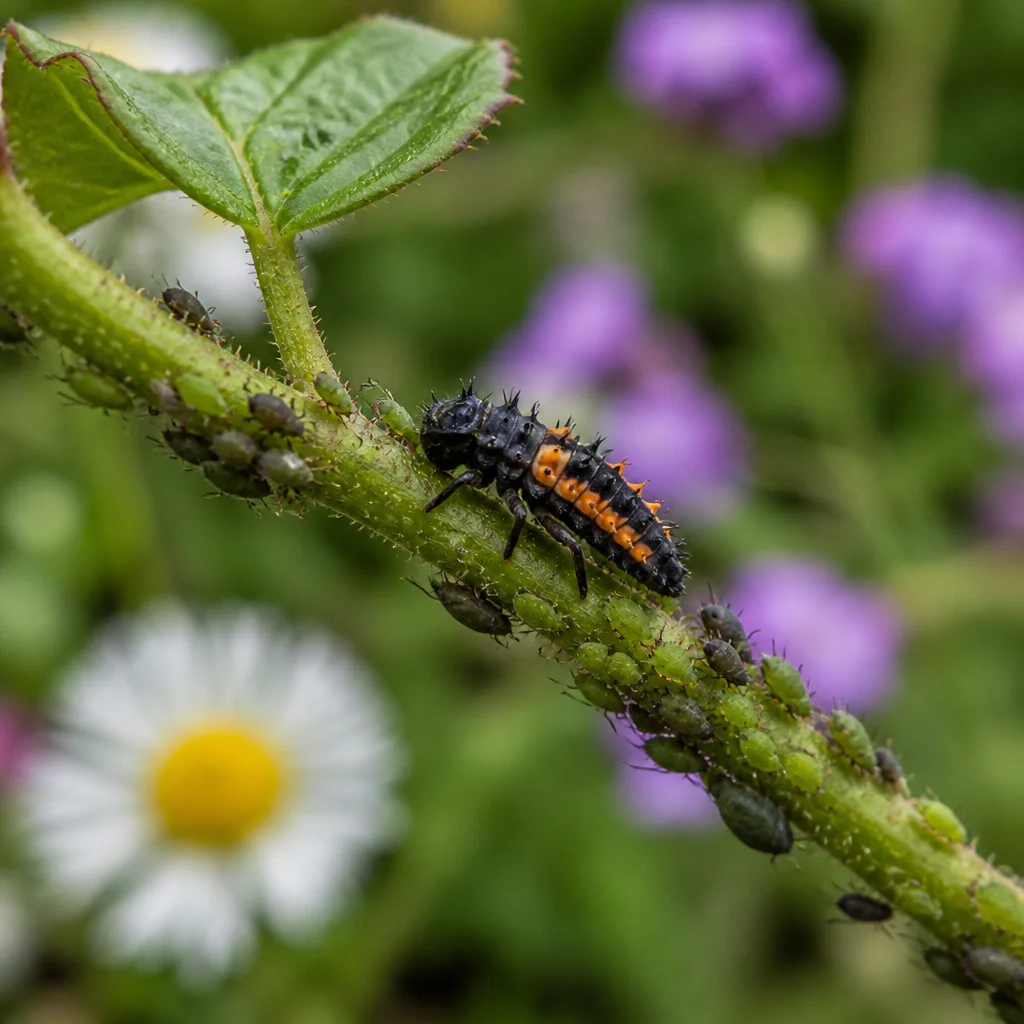
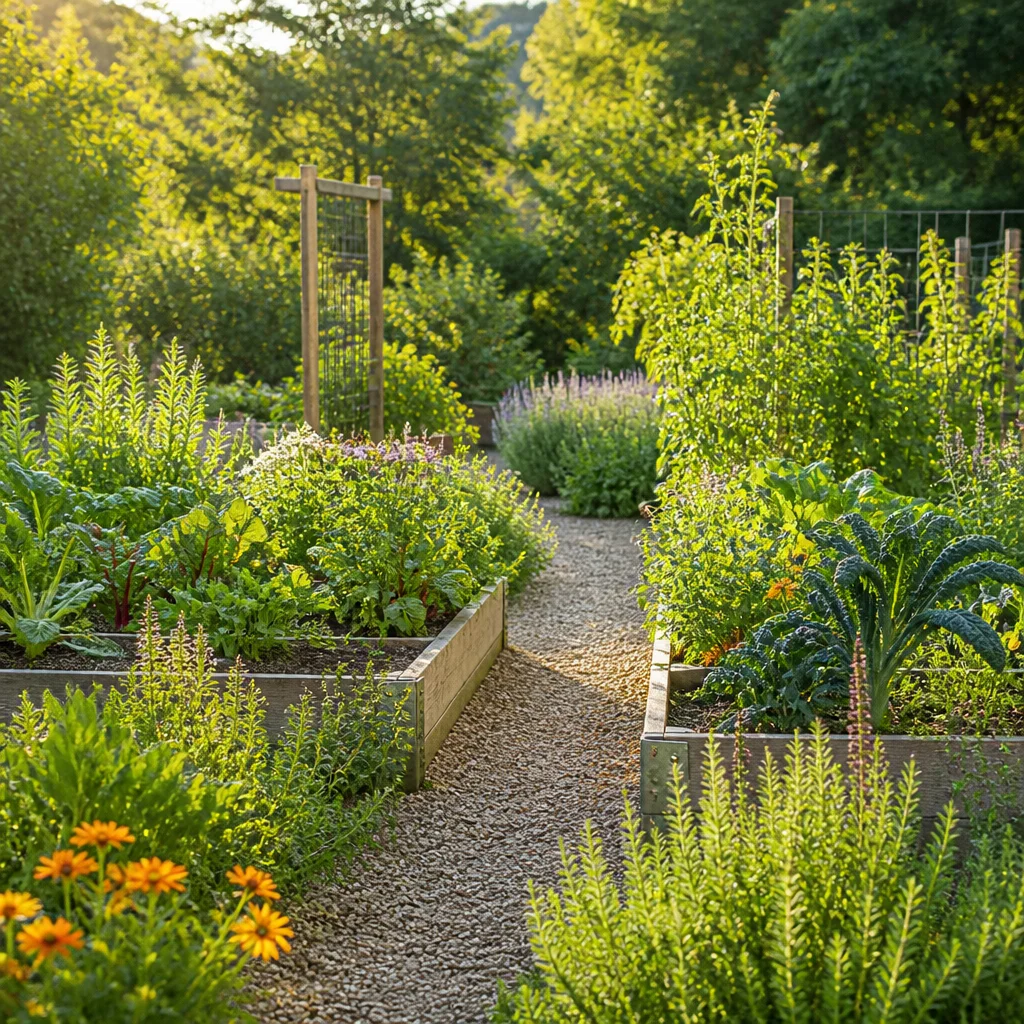
Lady beetles, lacewing larvae, hoverfly larvae, and tiny parasitic wasps are among the aphid’s natural enemies. Their young may look unfamiliar: lady beetle larvae are often elongated and active, while some hoverfly larvae resemble small, legless slugs. Parasitic wasps can leave behind swollen, tan or brown aphid shells known as mummies. Learning these signs helps you avoid removing useful insects along with the pests. Offer a succession of small flowers for adult beneficial insects, using plants suited to your climate and site. Dill, cilantro, sweet alyssum, and flowering herbs can be attractive options where appropriate. Let a few herbs bloom among vegetables, or edge a path with a loose ribbon of flowers. This layered planting adds softness to the garden while providing nectar and pollen close to aphid-prone plants.
Dislodge Colonies With Water
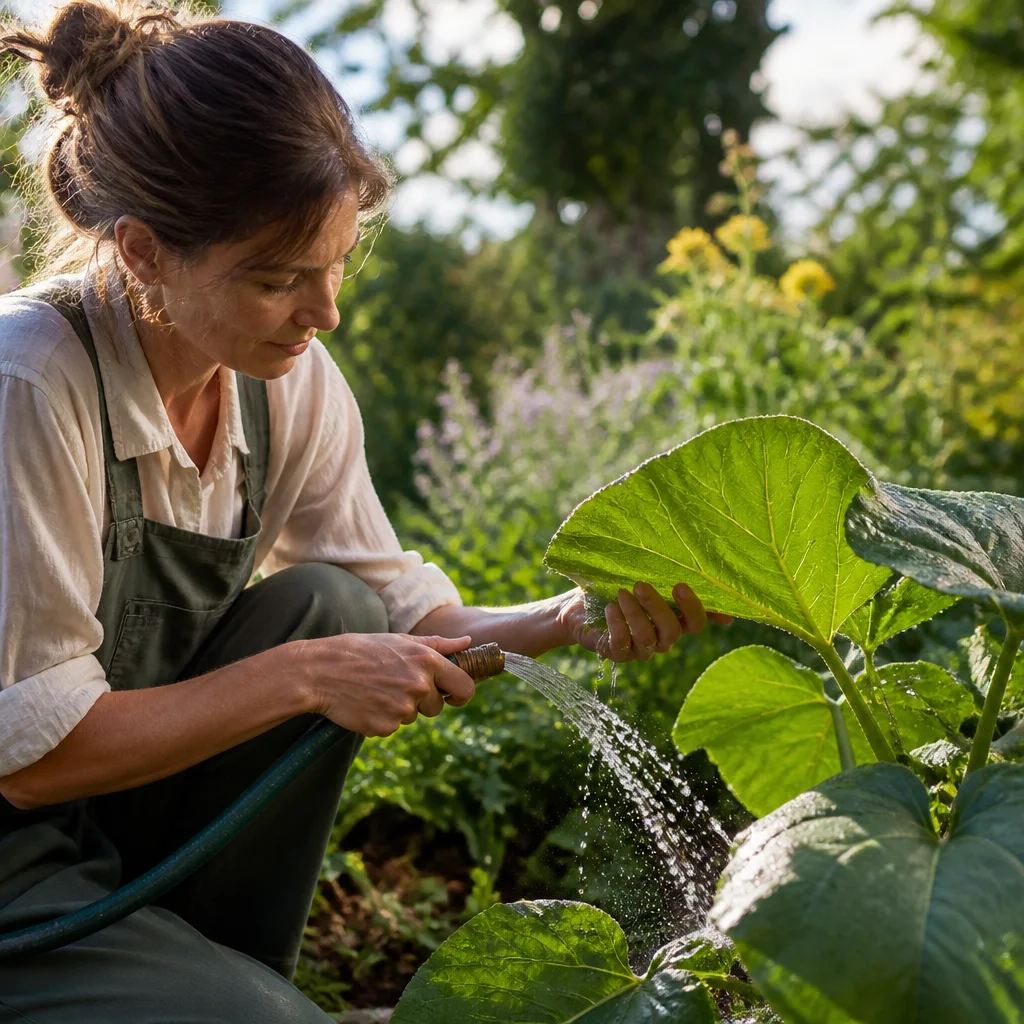
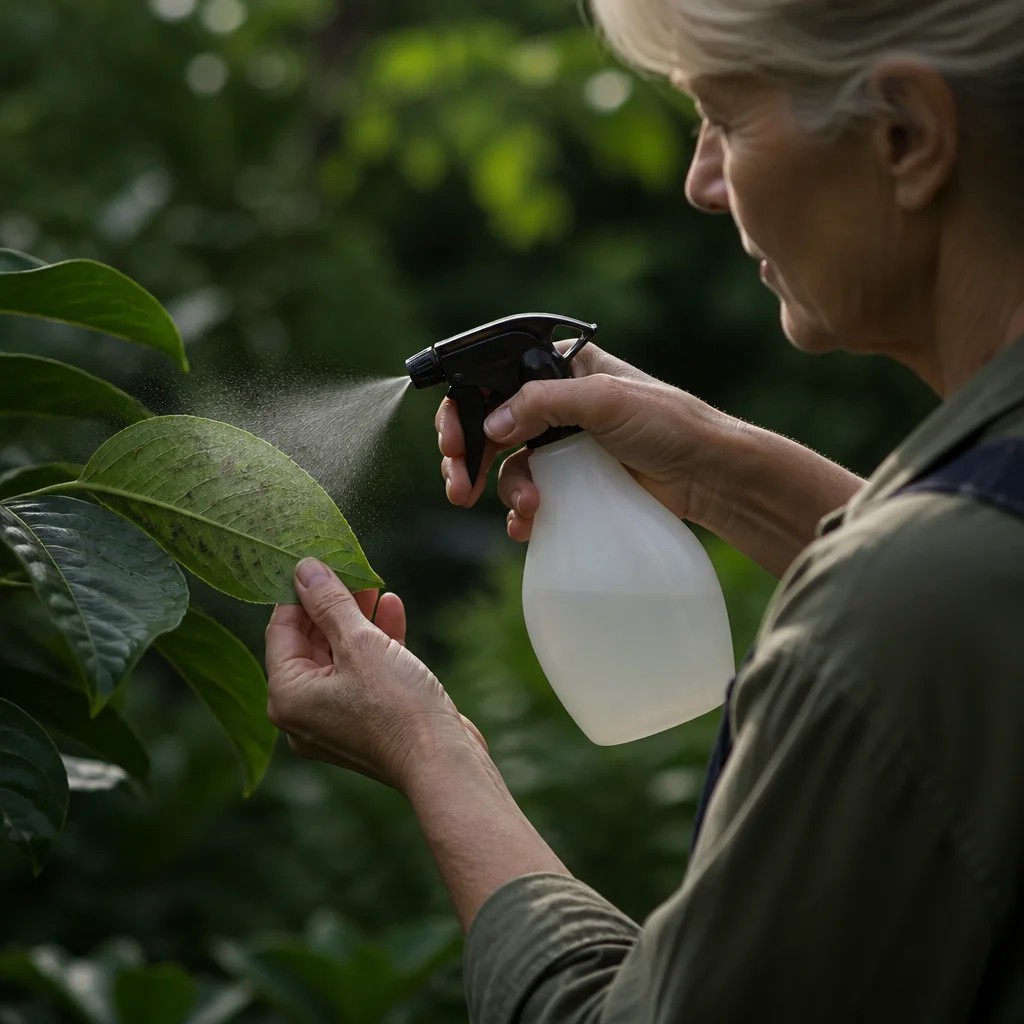
For many sturdy plants, a focused stream of water is a useful first response. Direct it at the undersides of leaves and the tips where aphids cluster, supporting delicate stems with your free hand if needed. The aim is to knock insects off without stripping foliage or damaging buds. On small plants, a hand sprayer can give you more control than a hose. Check the plant again after a day or two and repeat if aphids are still building up. Water early enough that foliage can dry during the day, particularly on plants prone to leaf diseases. Avoid a forceful spray on fragile seedlings or flowers; a gentler rinse or hand removal may be safer.
Remove the Worst-Affected Tips
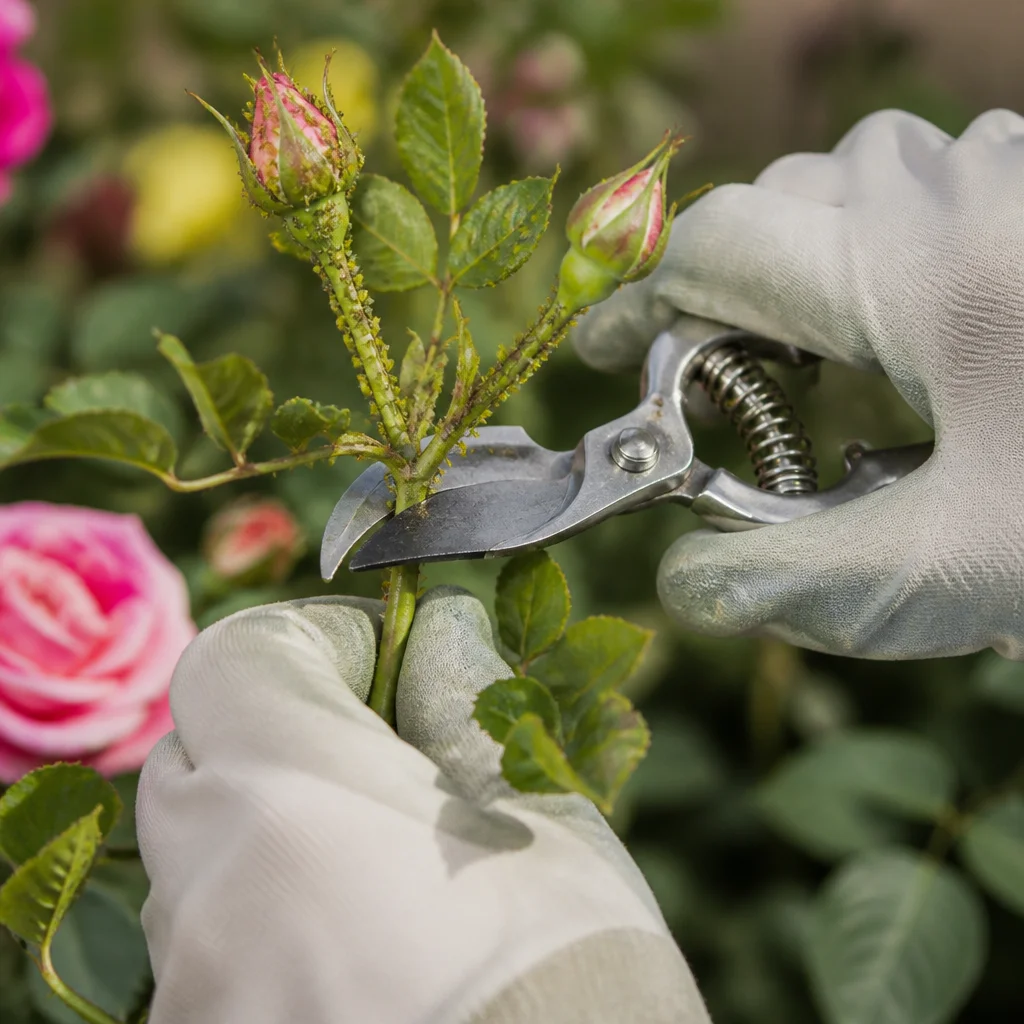
When aphids are concentrated on a few shoots, pruning can remove a large portion of the colony quickly. Snip off badly distorted tips or heavily infested leaves, taking care not to cut away more healthy growth than the plant can spare. For a small colony, you can also wipe or gently squash aphids with gloved fingers. Place removed material in a bag or otherwise dispose of it away from susceptible plants. Inspect the surrounding foliage before and after pruning. If a shoot holds numerous predator larvae or aphid mummies, leaving it in place may be more useful than removing it. Clean pruning tools as appropriate for the plants you are working with, and avoid heavy pruning simply to improve the appearance of a minor infestation.
Use Soap Carefully When Gentler Steps Are Not Enough
If aphids continue to damage a plant after physical controls, an insecticidal soap labeled for the plant and pest may be an option. It works through direct contact, so the spray must reach aphids on leaf undersides and other hiding places. Follow the product label for dilution, timing, repeat applications, and any restrictions on edible crops. Test a small area first if the label recommends it or if you are unsure how the plant will respond. Avoid spraying stressed plants or applying treatments in hot, bright conditions, which can increase the risk of leaf damage. Soap can also affect beneficial insects it contacts, so target infested areas and avoid spraying predators and pollinators. Household detergents are not interchangeable with labeled insecticidal soaps and may injure foliage.
Keep Ants From Guarding the Colony
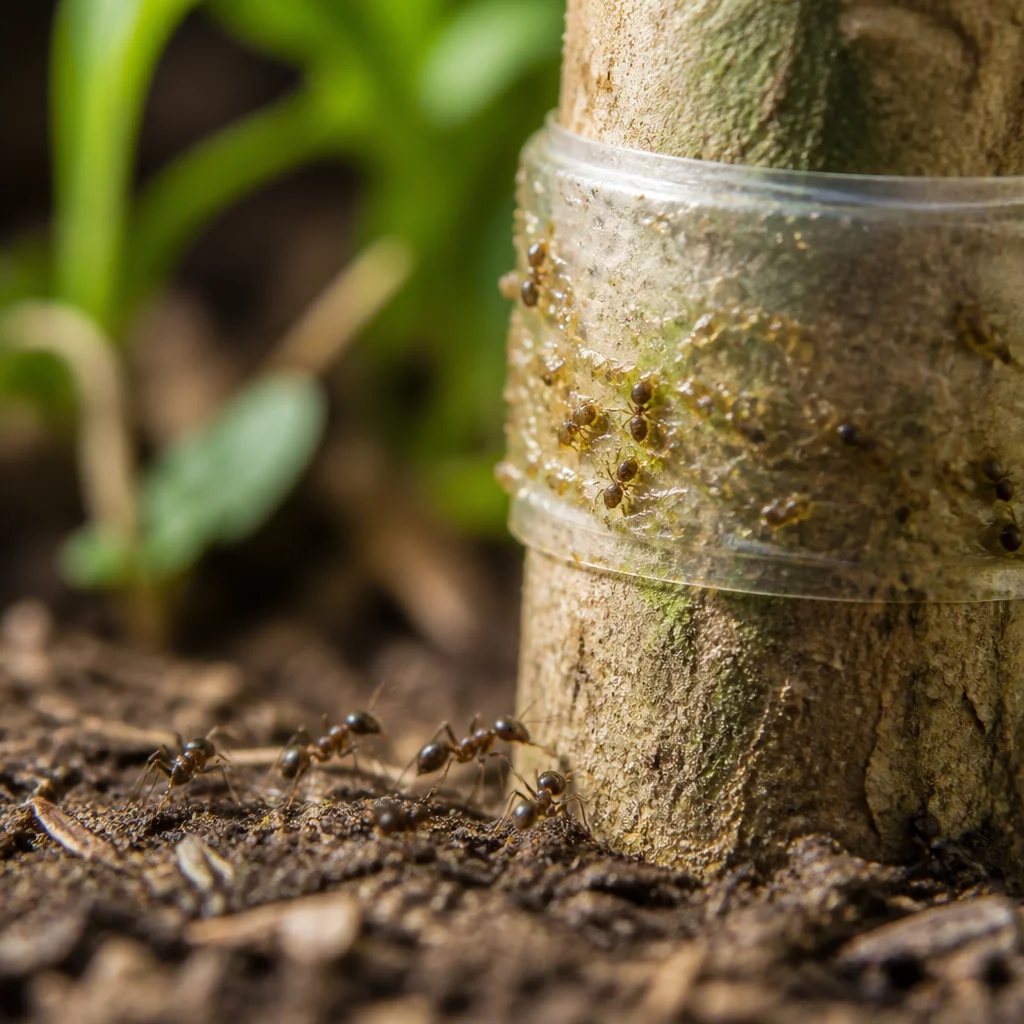
Some ants collect aphid honeydew and may protect aphids from predators. If you see a steady trail of ants moving between the ground and a colony, managing their access can give beneficial insects a better chance to reach the aphids. First, prune back branches or neighboring plants that form bridges to the affected stem or trunk. For a suitable woody plant, a sticky barrier placed on a protective wrap around the trunk can interrupt ant traffic. Do not apply sticky material directly to bark, and check the wrap regularly so it does not trap moisture, harm the trunk, or become a bridge for ants as debris accumulates. Keep barriers away from children, pets, and wildlife, and use them only where they can be monitored safely.
Build a Garden That Recovers Well
Healthy plants can often withstand modest aphid feeding, so focus on steady care rather than a perfectly pest-free garden. Water according to each plant’s needs, mulch where appropriate to conserve soil moisture, and avoid excessive nitrogen fertilizer, which can encourage a flush of tender growth attractive to aphids. Give plants enough space for inspection and airflow, and remove weeds that compete with young plants. Arrange aphid-prone favorites where you can easily reach them: roses beside a path, for example, or herbs and vegetables near the kitchen door. Mix them with flowering companions rather than placing every susceptible plant in one dense block. A garden with varied shapes, bloom times, and accessible paths is pleasant to spend time in—and makes the small weekly checks that catch problems early much easier to maintain.
How did this story make you feel?
Choose one reaction. You can change it later.