Low-Light Plants7 min read
The Best Low-Light Plants for Dim Corners That Still Feel Lush
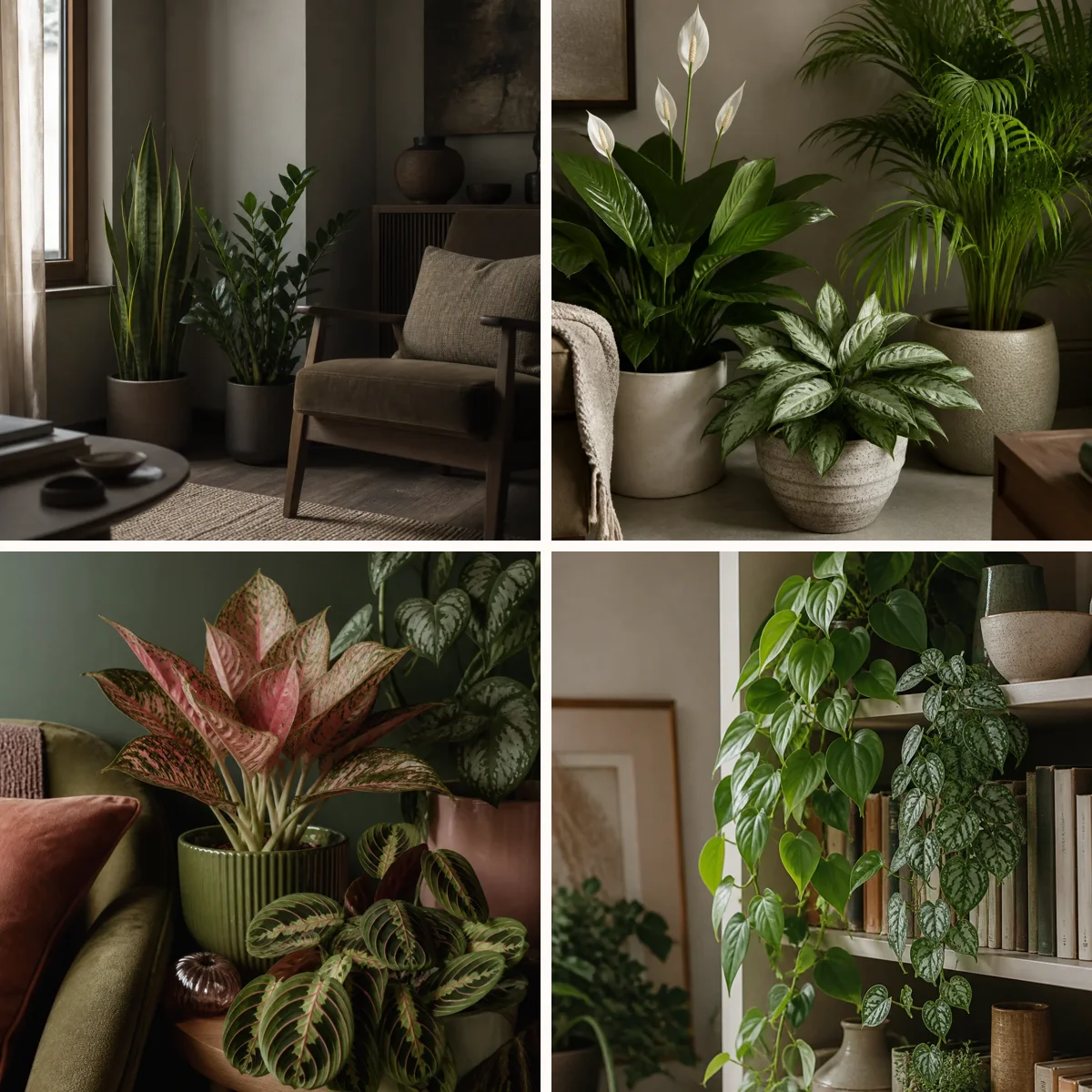
A dim corner does not have to feel forgotten. When daylight is limited, the right houseplants can add softness, shape, and a fresh sense of life without asking for a bright windowsill. Low-light plants are especially useful in hallways, bedrooms, north-facing rooms, and the shadowy edges of living spaces where direct sun rarely reaches but greenery is still welcome. The key is to choose plants that stay attractive even when growth is slower and light is gentle. Instead of chasing flowers, think in terms of leaf size, silhouette, color depth, and the way a plant fills space. The best low-light choices create a layered, restful look that makes darker rooms feel intentional and lush rather than dull. These ideas focus on adaptable foliage plants and simple styling tricks that help them look their best.

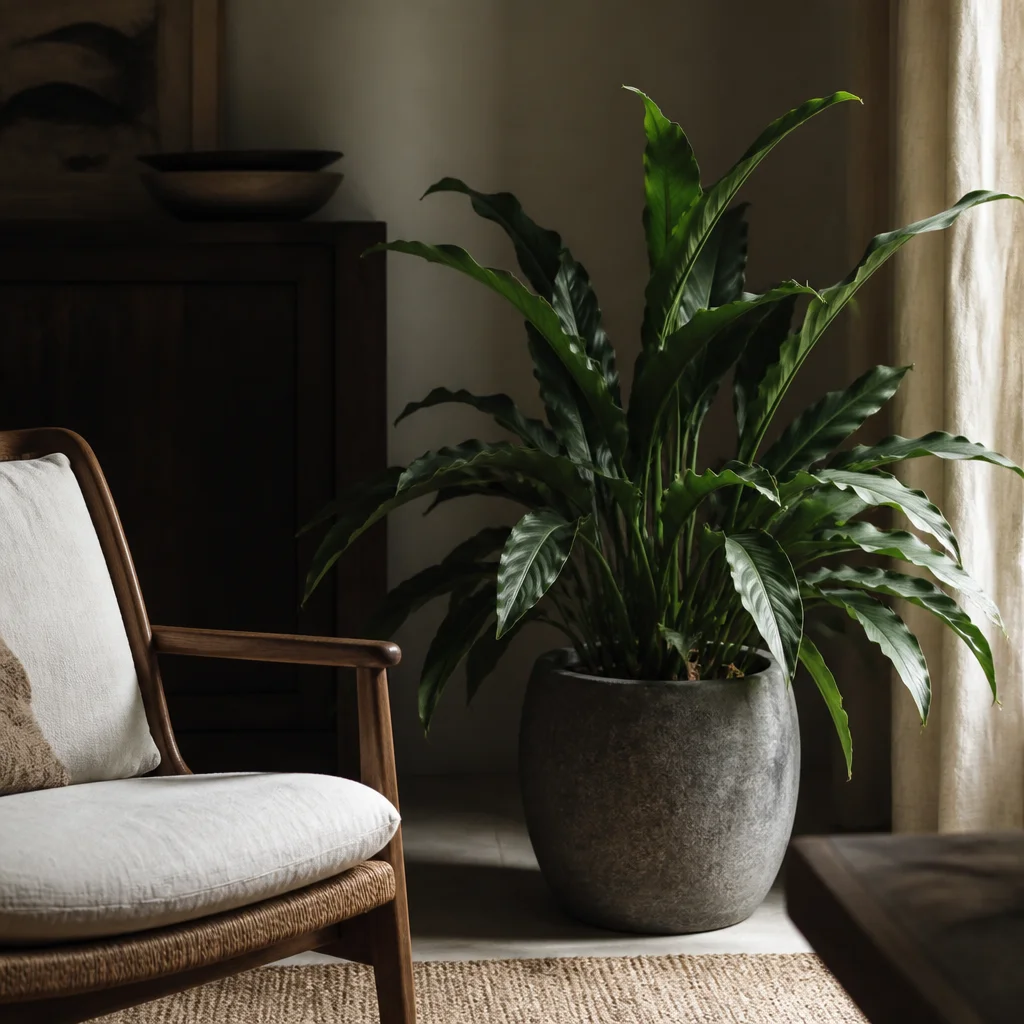
1. Use cast iron plant when you need a calm, dependable anchor
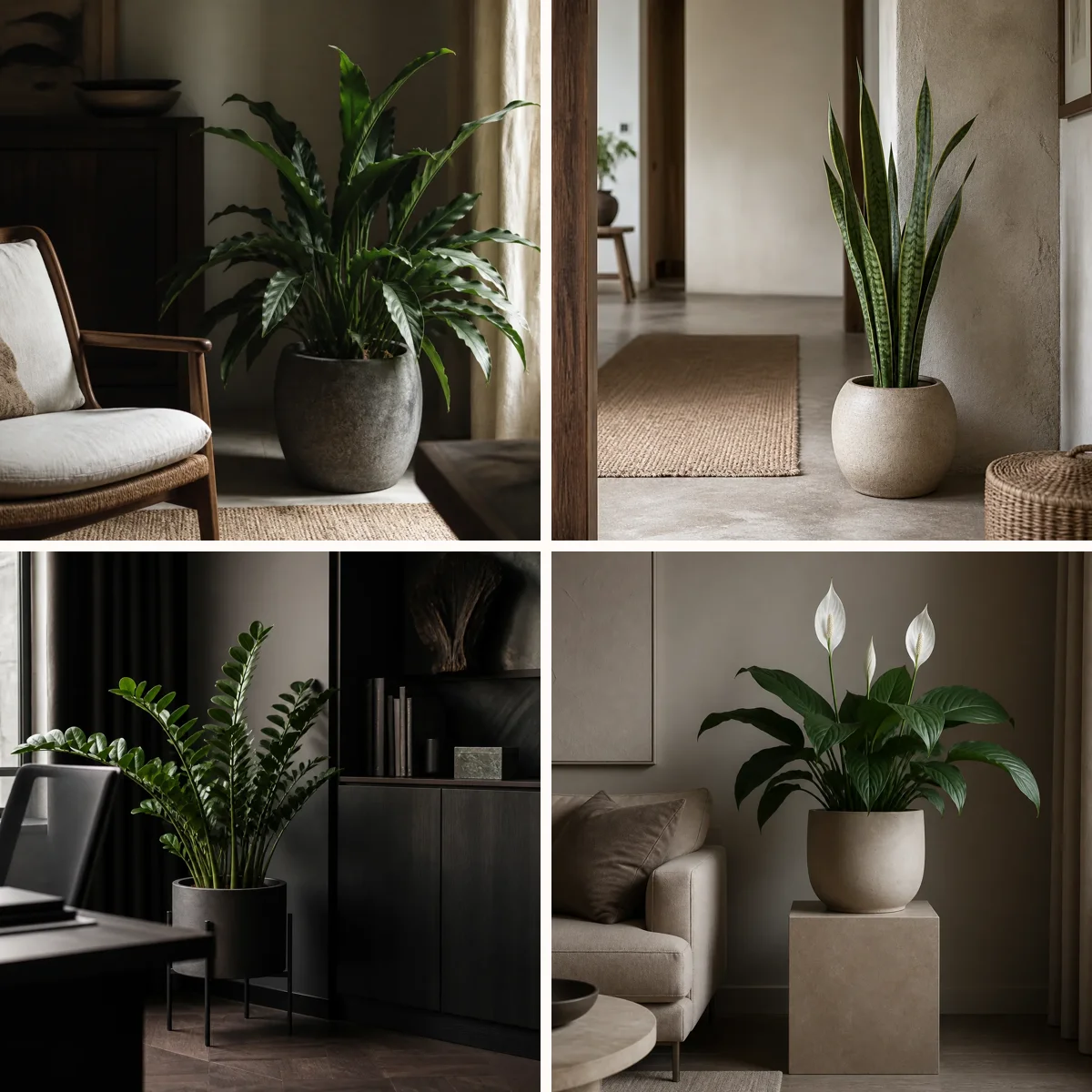
Cast iron plant is one of the steadiest choices for genuinely dim spots. Its broad, arching leaves emerge slowly but hold their shape beautifully, giving a room a settled, confident look. In a dark corner where fussier plants become sparse or stressed, this one keeps a composed presence and helps the area feel furnished rather than empty. Style it in a simple floor pot beside a chair, console, or bookshelf where its upright form can frame the space. Because the foliage is deep green and slightly glossy, it pairs especially well with warm wood, matte ceramics, and soft textiles. Let it stand mostly on its own instead of crowding it with too many smaller plants, so its quiet strength can define the corner.
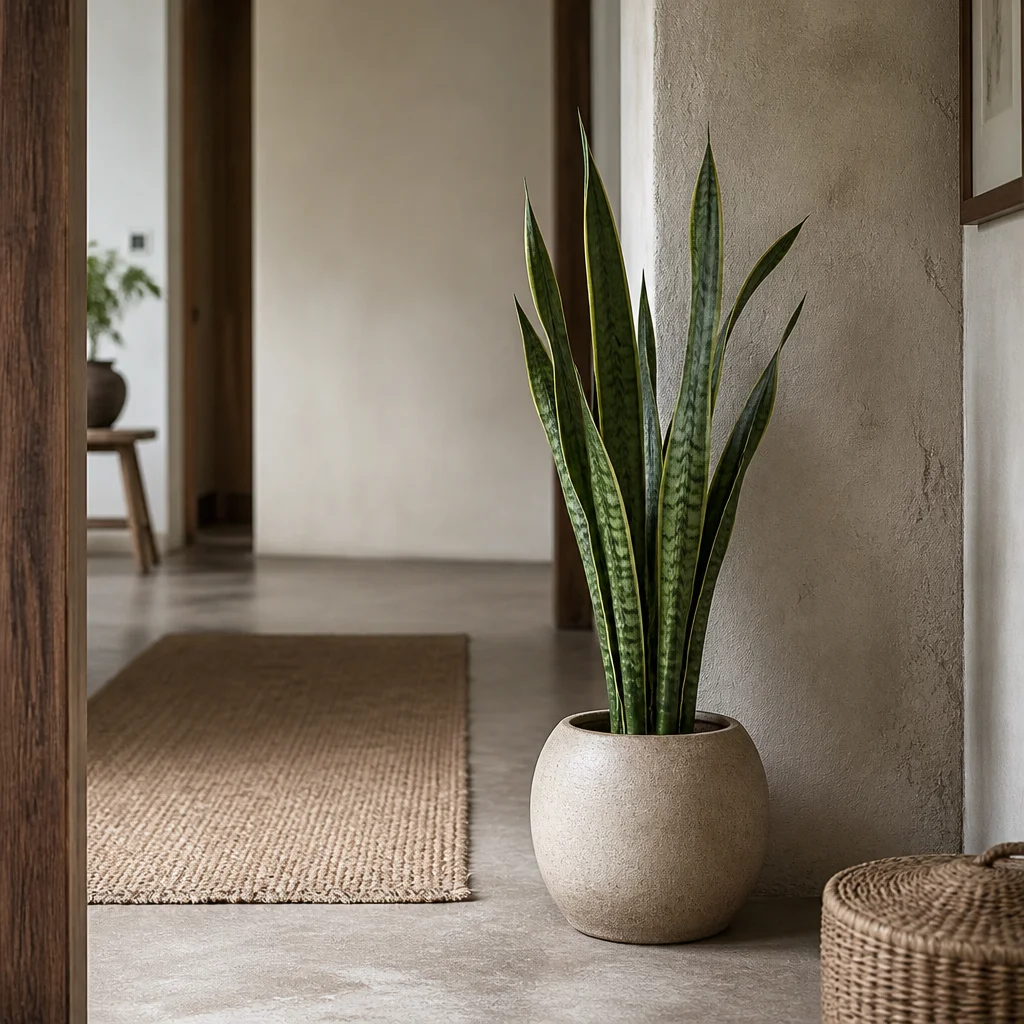
2. Choose snake plant for vertical structure in narrow, shaded spaces
Snake plant is useful in dim interiors because its sword-like leaves bring height without taking up much floor area. Even in lower light, it usually keeps a crisp outline, which makes it ideal for entry corners, tight bedroom gaps, or the edge of a media unit where you want greenery that still looks clean and architectural. To make a darker room feel lush rather than severe, place snake plant in a rounded planter or next to softer textures like curtains, woven baskets, or an upholstered bench. Varieties with darker green leaves often blend more naturally into subdued rooms, while lightly banded forms can lift a shadowy area with subtle pattern. Keep the arrangement simple and let the plant’s silhouette do the work.
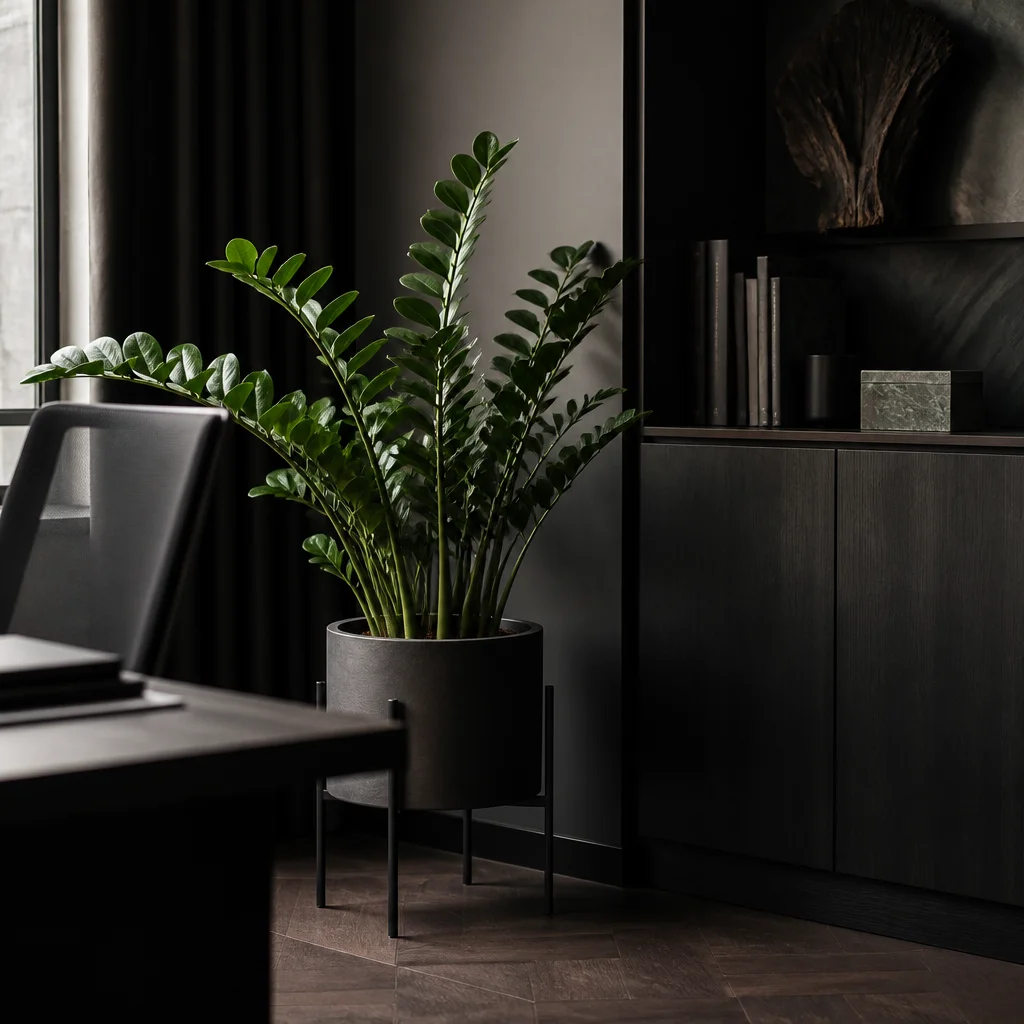
3. Rely on ZZ plant for glossy fullness that brightens dull areas
ZZ plant is a strong choice when you want a dim corner to feel polished. Its waxy leaflets reflect what little light is available, so the plant often appears brighter than the room around it. That natural sheen adds life to spaces that can otherwise feel flat, especially in offices, guest rooms, and shaded living room corners. Use ZZ plant where you want a tidy mound of foliage with very little visual mess. It looks excellent in medium-height pots on the floor or slightly raised on a stand so the stems can arc outward at eye level. In decorating terms, it works like a finishing touch: place it near dark painted walls, black metal accents, or wood cabinetry to create contrast and make the greenery feel intentional.
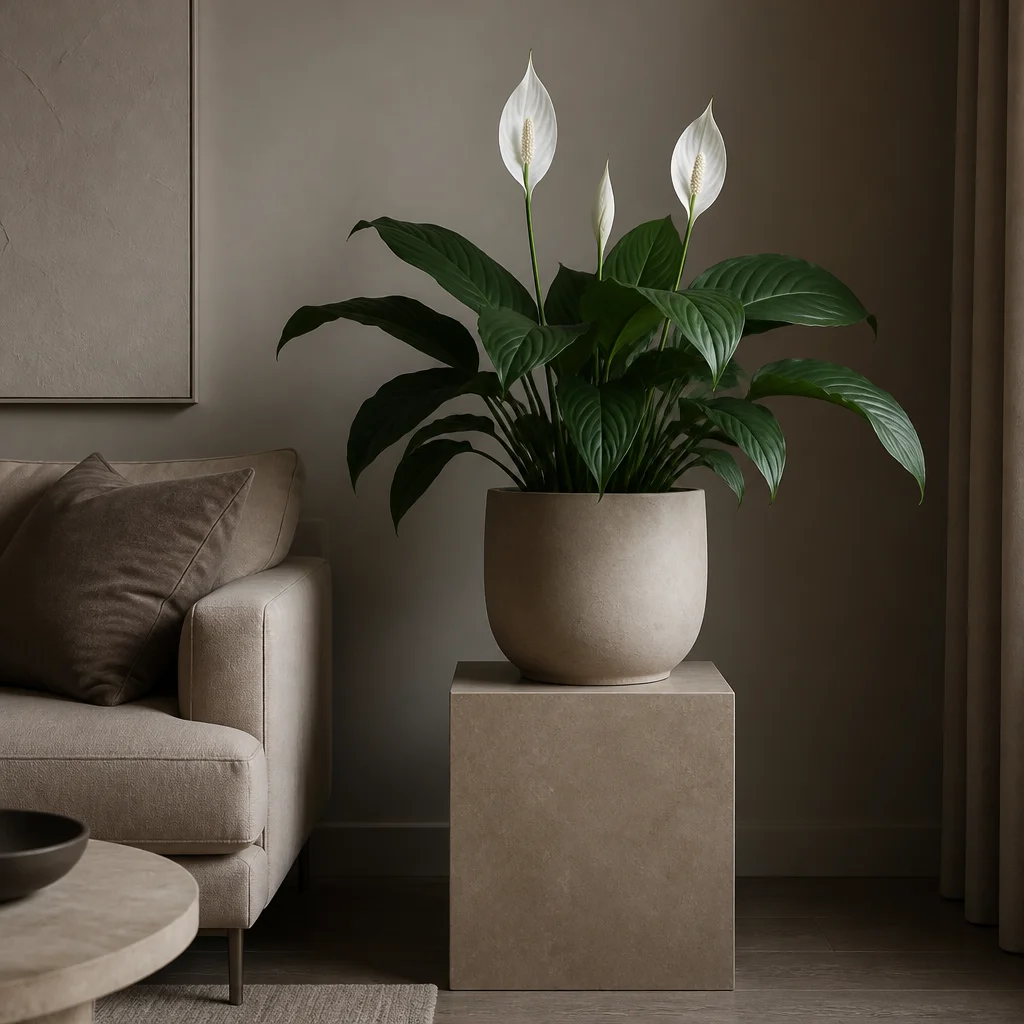
4. Soften hard edges with the broad leaves of peace lily
Peace lily is especially effective in rooms that feel boxy or severe. Its smooth, pointed leaves create a softer outline than many upright plants, and that makes it useful for balancing the straight lines of desks, cabinets, and shelving. While flowering is less reliable in deeper shade, the foliage alone is enough to bring fullness and a gentler mood. Position a peace lily where its leaves can spill slightly beyond the edge of a side table, pedestal, or plant stand. This little bit of overhang relaxes the geometry of the room and helps the corner feel layered. A plain pot in charcoal, cream, or stone usually suits it best, allowing the rich green leaves to become the main decorative element.
5. Add draping movement with heartleaf philodendron on shelves
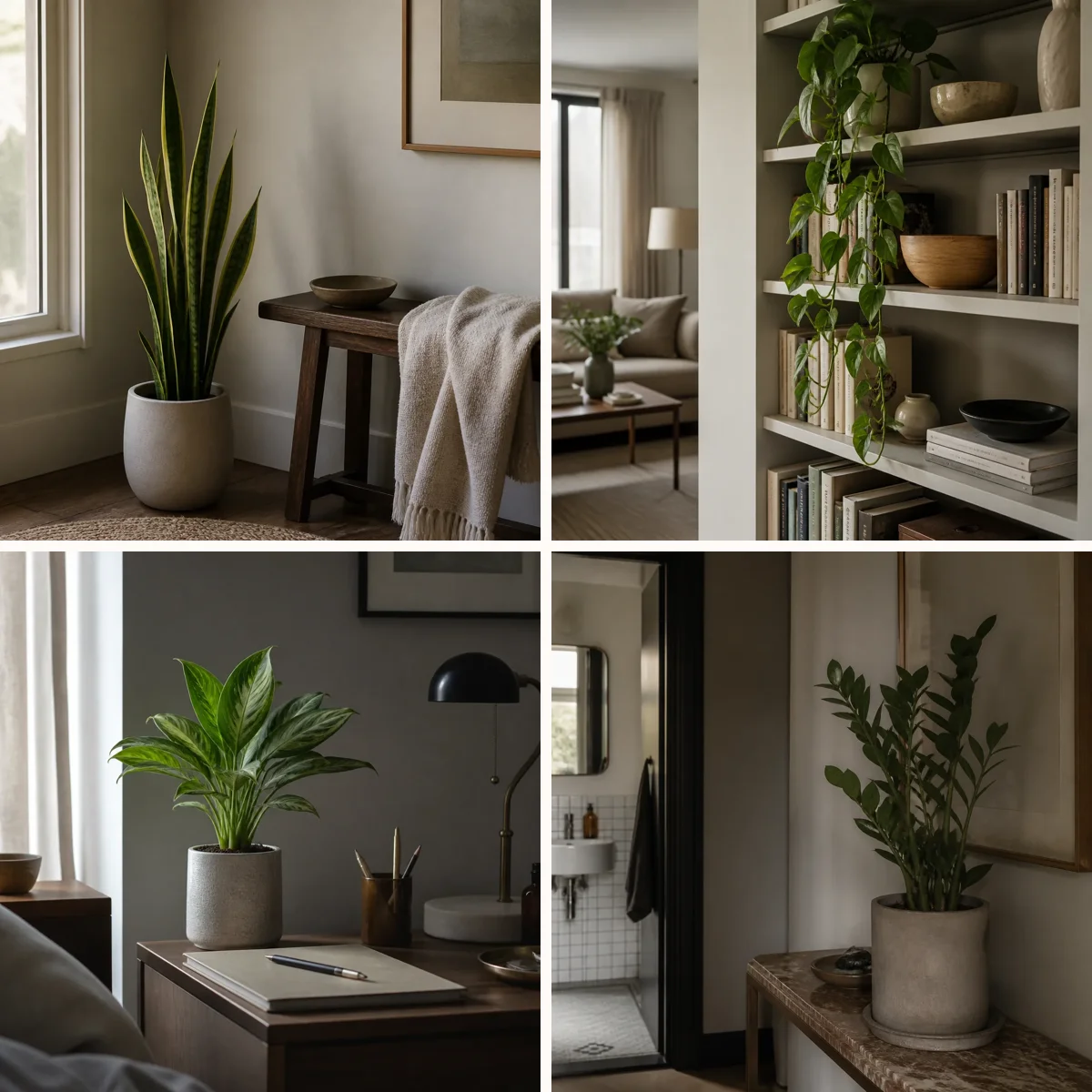
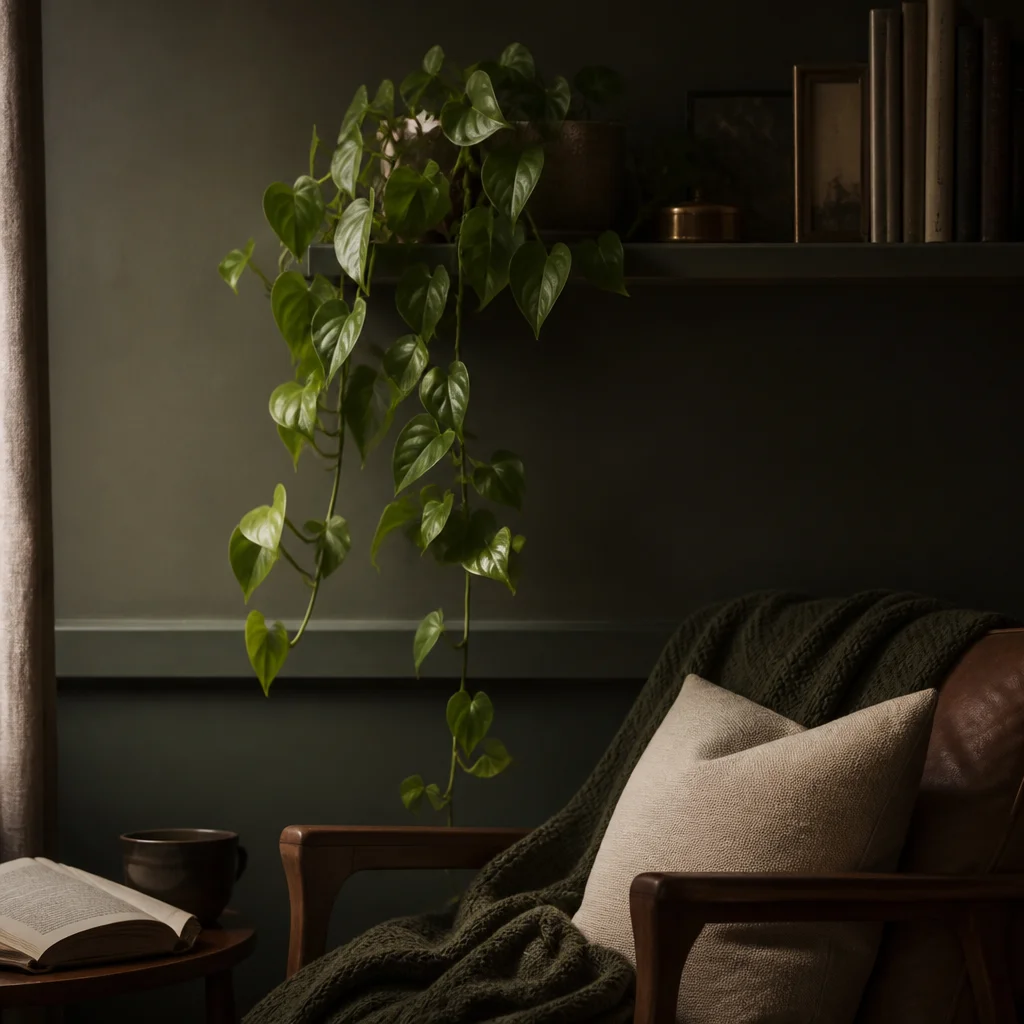
Not every dim corner needs a floor plant. Heartleaf philodendron is perfect when the darkest part of the room is higher up, such as the top of a bookcase, a wall shelf, or the far end of a mantel. Its trailing vines introduce motion and softness, which can make a still, shadowed area feel more alive. For the lushest effect, let the stems trail naturally rather than trimming them into strict shapes. A philodendron placed above eye level can visually connect furniture and walls, making the room feel more cohesive. If the corner feels especially heavy, choose a pot in a lighter tone so the cascade of leaves stands out and the whole arrangement feels airy instead of dense.
6. Build a layered look with pothos in medium to low light
Pothos is valuable because it adapts to many indoor positions and quickly helps a room feel established. In low light it may grow more slowly and show less variegation, but it still offers generous trailing foliage that softens shelves, cabinets, and plant stands. That forgiving habit makes it one of the easiest ways to make a dim room feel greener. Use pothos as a linking plant between larger specimens. For example, place a cast iron plant or snake plant on the floor, then add pothos above or beside it to create height and flow at different levels. This kind of layering makes a dark corner feel designed rather than accidental, and it gives the eye more to travel across than a single plant alone.
7. Bring feathery texture into shade with parlor palm
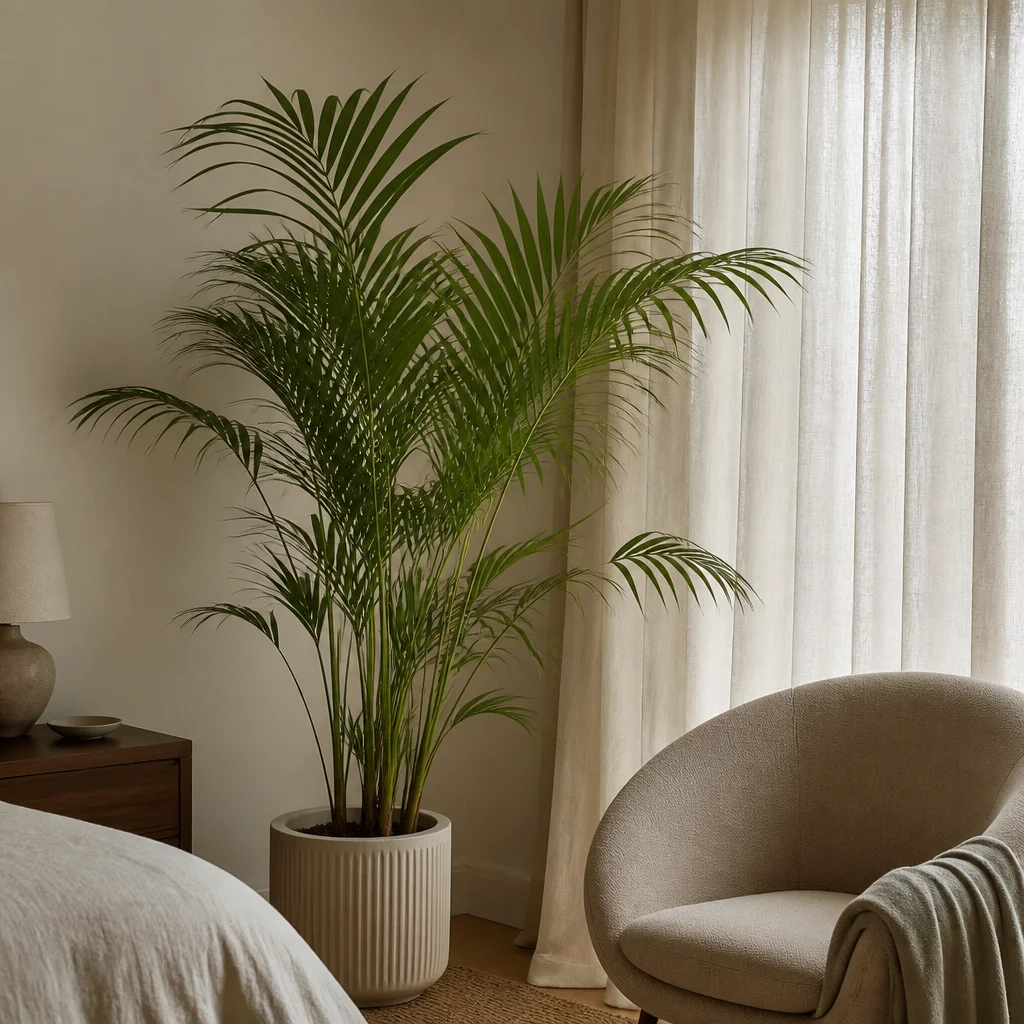
Parlor palm has a lighter, more delicate texture than many low-light favorites, which is exactly why it works so well in darker spaces. Fine leaflets can keep a room from feeling too heavy, especially if you already have substantial furniture, dark paint, or thick curtains. It adds a gentle, classic lushness without demanding a bright sunlit position. Try parlor palm in bedrooms, reading corners, or quiet sitting areas where you want the mood to feel restful. It looks best when given a little breathing room so its fronds can arch naturally. Pair it with a low stool, linen shade, or curved chair to echo its softness and create a corner that feels calm, green, and easy to inhabit.
8. Use Chinese evergreen for subtle pattern in subdued rooms
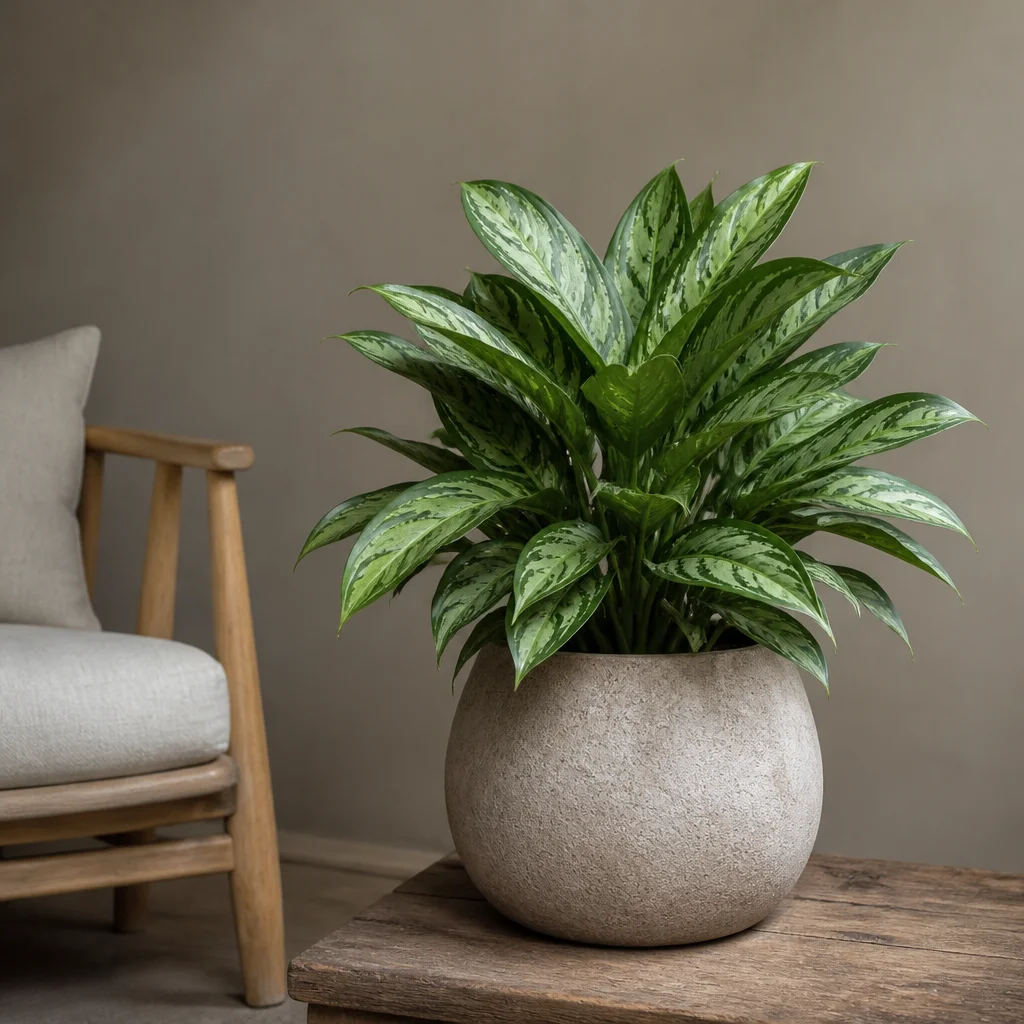
Chinese evergreen is one of the best options when a dim room needs interest beyond plain green. Many varieties carry soft marbling, silvering, or muted variegation that reads as texture rather than visual noise. In low light, that gentle pattern can keep a corner from feeling blank while still preserving a calm, understated atmosphere. This plant is particularly helpful in rooms with simple color palettes. Set it against solid walls or near uncomplicated furniture so the leaf markings have space to register. If your room already contains a lot of prints or busy surfaces, choose a darker, more restrained variety to maintain balance while still adding richness to the planting scheme.
9. Make dark corners feel fuller by grouping plants with different forms
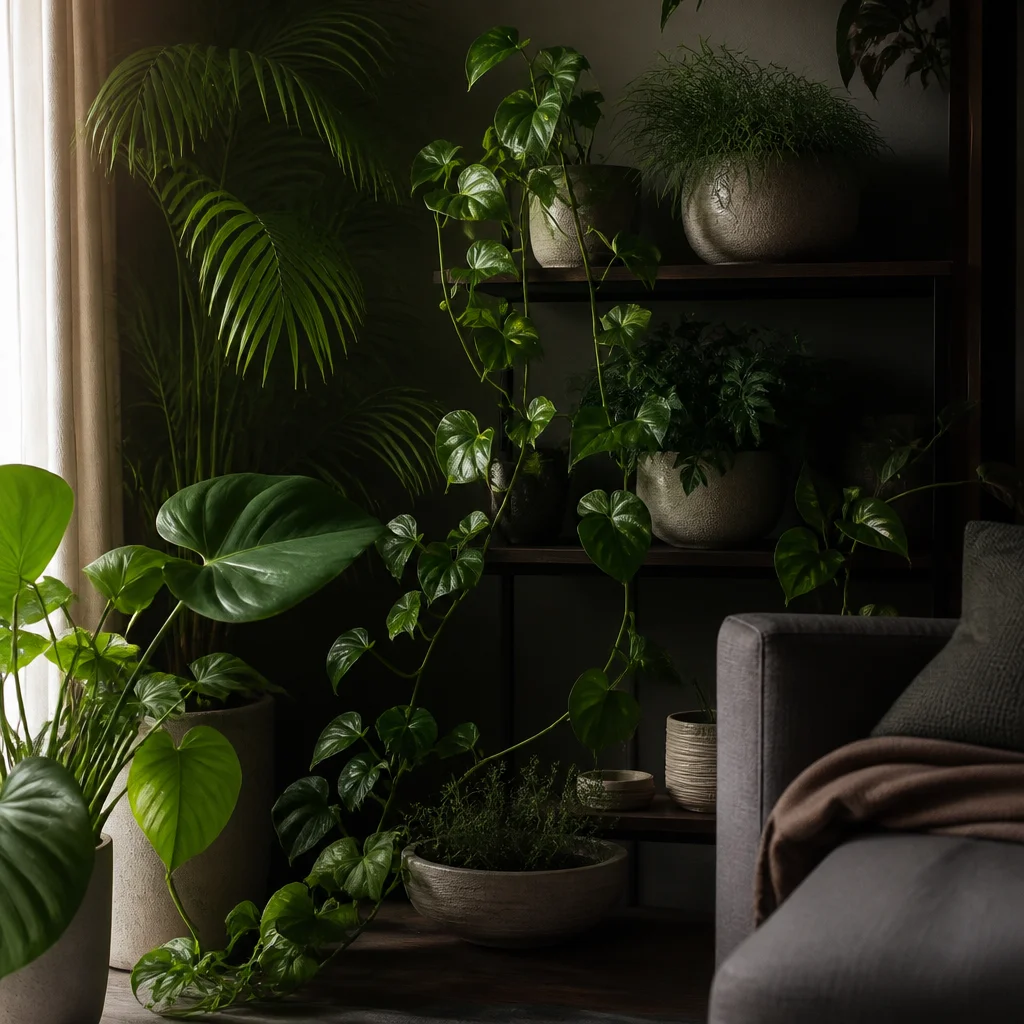
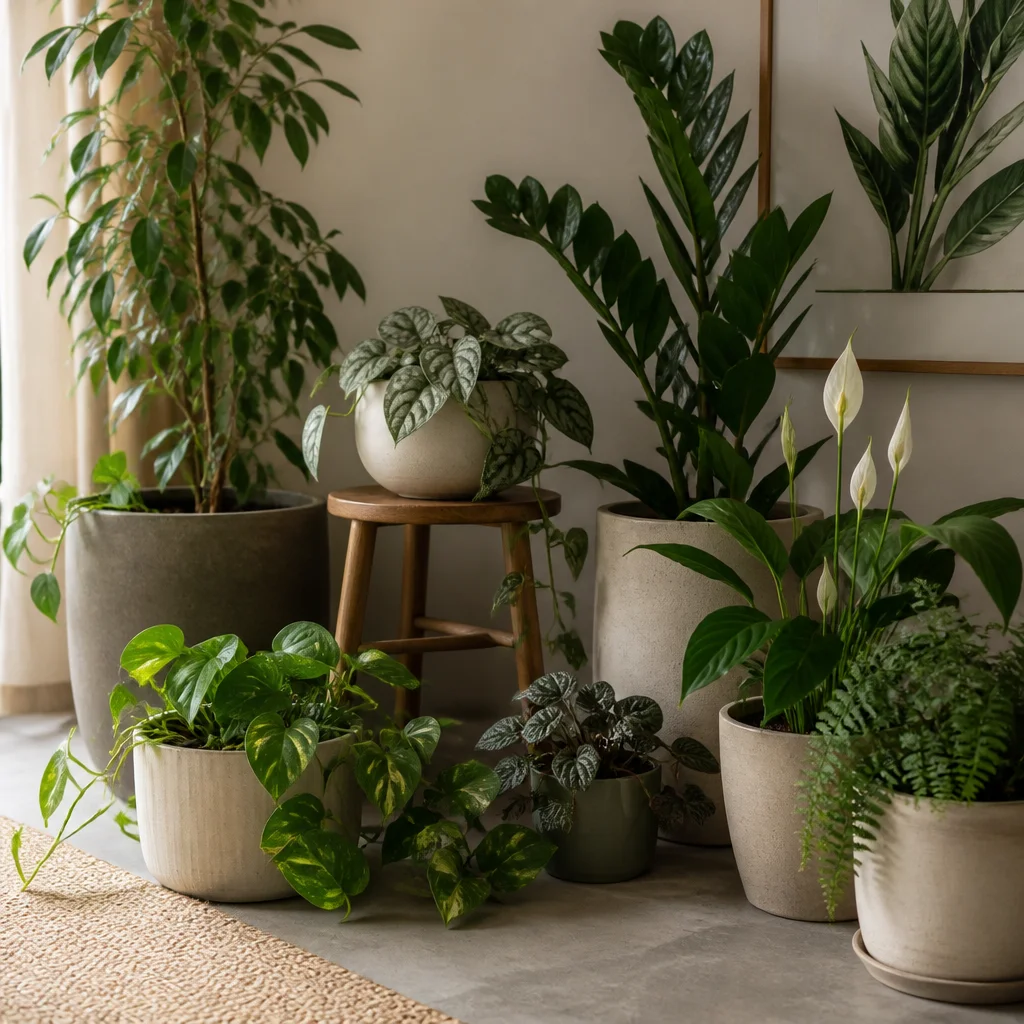
One of the most effective ways to create a lush impression in low light is to combine plants with distinct shapes rather than relying on several of the same kind. Pair an upright plant such as snake plant with a rounded plant like ZZ plant, then add a trailing option such as pothos or philodendron. This creates depth, movement, and contrast, all of which make a corner feel more abundant. Keep the group coherent by limiting the pot palette. Similar tones in clay, black, stone, or brushed neutral finishes help different species read as a collection rather than clutter. Vary the heights using the floor, a stand, and a shelf or stool, and leave a little space between leaves so each plant keeps its character while contributing to the whole.
10. Help low-light plants stay attractive with placement and simple care
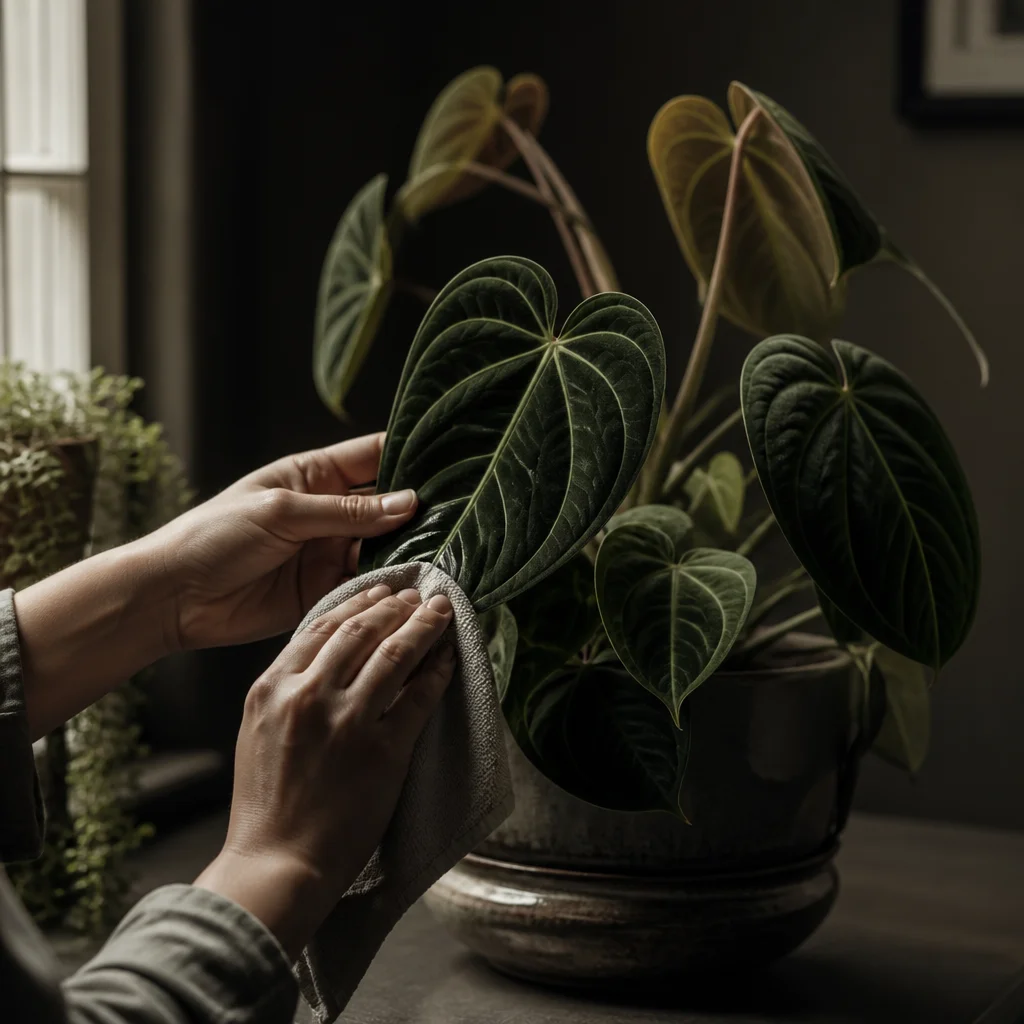
Even the most adaptable low-light plants do better when dim conditions are managed thoughtfully. Keep them close enough to ambient daylight that they can still see the sky, even if they never receive direct sun. Rotate containers every so often so growth stays balanced, wipe dust from leaves so they can use available light efficiently, and avoid overwatering, since soil tends to dry more slowly in darker rooms. It also helps to accept that low light is about steadiness, not speed. A plant growing slowly can still be beautiful if its leaves are clean, well spaced, and suited to the room. By matching each species to the mood and shape of the corner, you can turn underused shadowy spots into some of the most inviting green areas in the home.
How did this story make you feel?
Choose one reaction. You can change it later.