Low-Light Plants7 min read
Low-Light Houseplants That Add Texture, Height, and Color Indoors
Low light does not have to mean flat, dull, or purely practical. Some of the most expressive houseplants are the ones that tolerate shadier corners, north-facing rooms, and spots set back from windows, bringing sculptural lines, patterned leaves, and rich color without demanding bright sun. The key is to think like a stylist as much as a plant keeper: combine upright forms with trailing edges, broad leaves with narrow blades, and deep green tones with silver, burgundy, or lime to make indoor spaces feel layered and alive. A well-chosen low-light plant can do more than simply survive in a dimmer room. It can lift the eye toward the ceiling, soften hard furniture lines, add movement to shelves, or create a focal point where the architecture is plain. The most satisfying interiors use contrast in shape, scale, and finish, so this selection focuses on shade-tolerant plants that contribute visual interest as much as greenery.

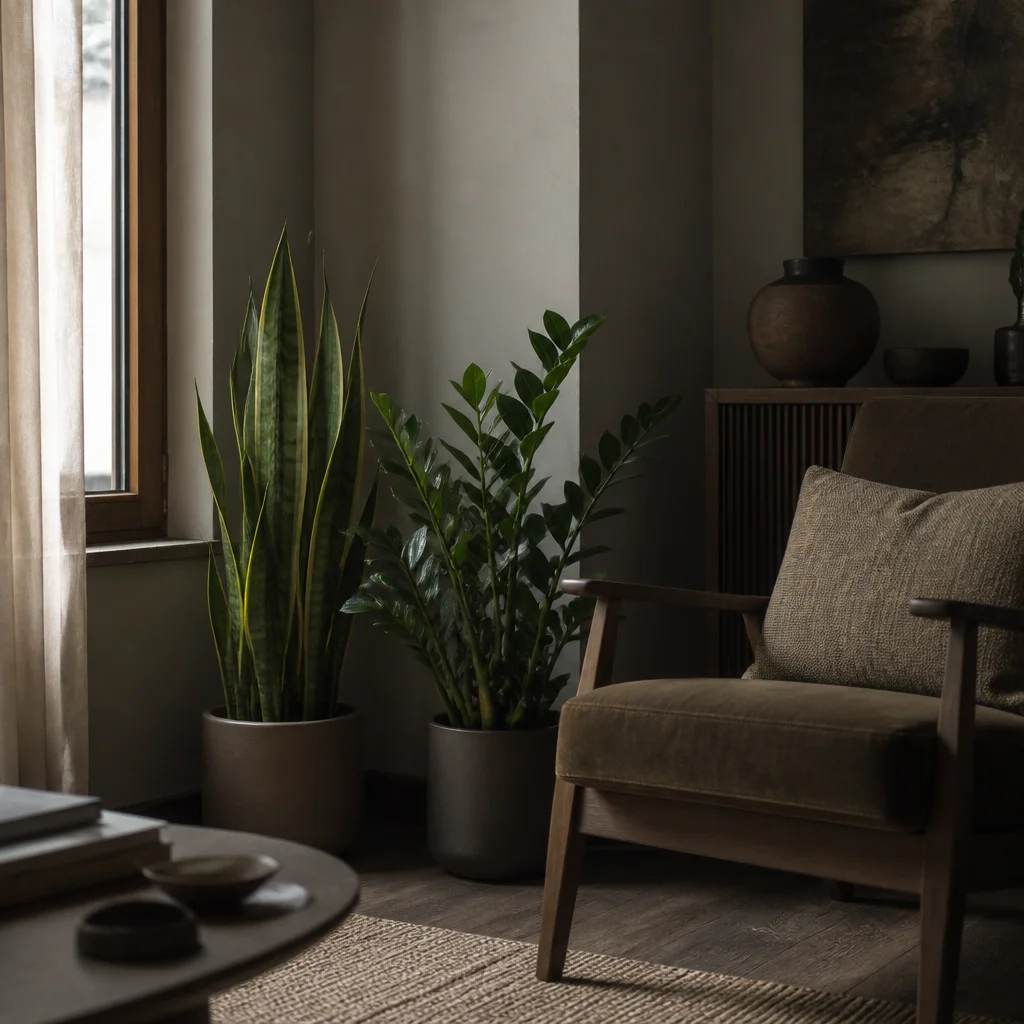
Use upright plants to create height without crowding the floor
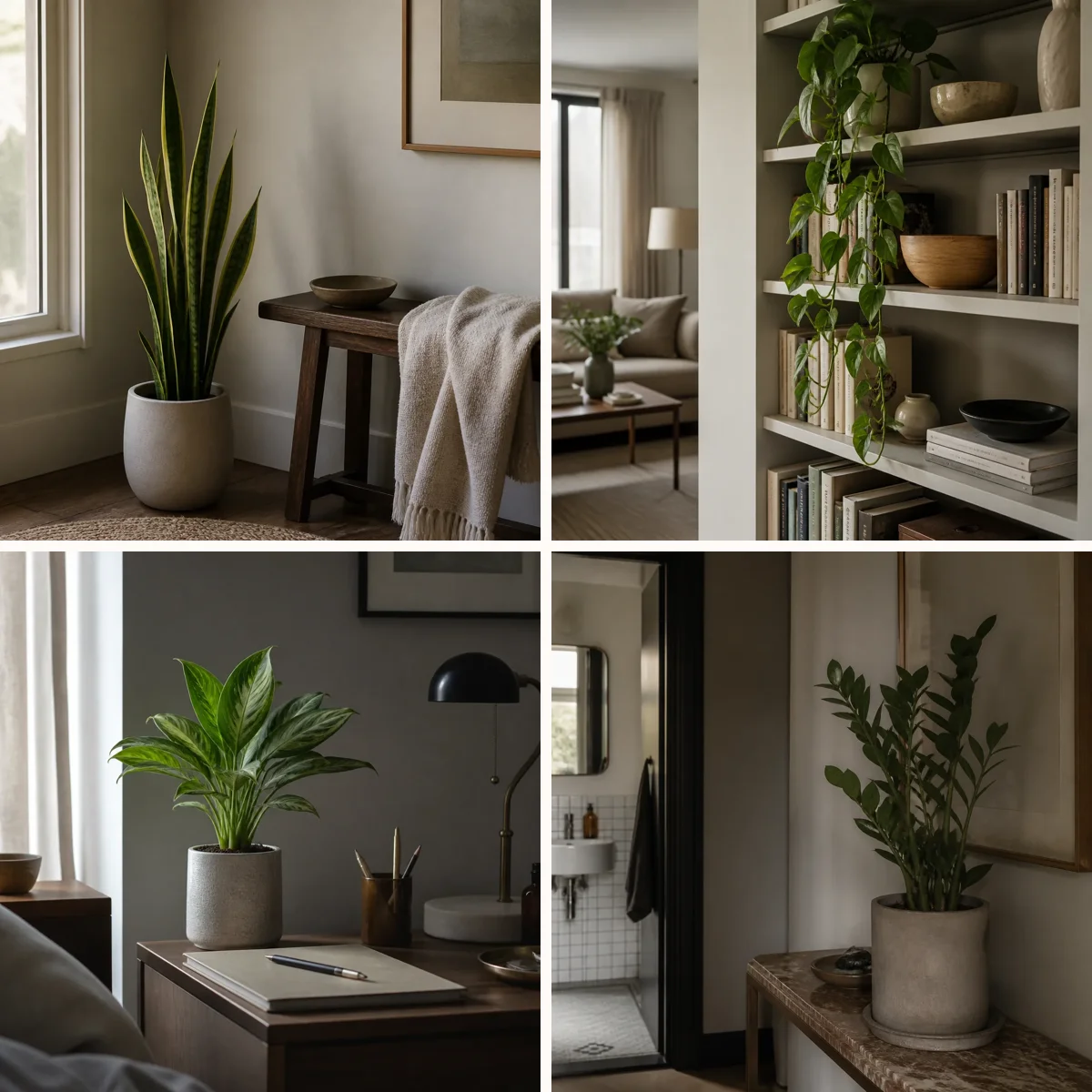
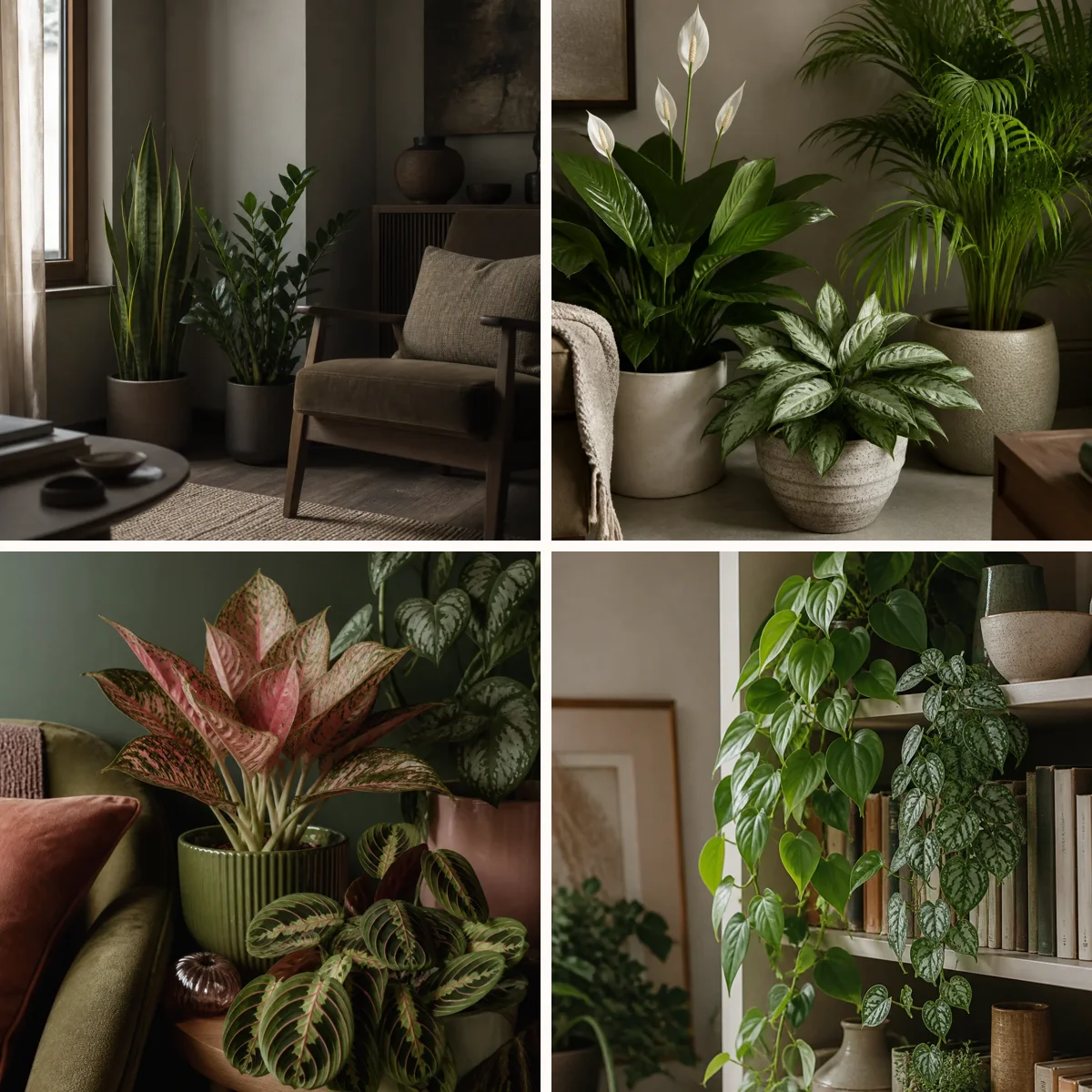
When a room feels visually low or heavy, upright low-light plants are often more effective than wide, spreading ones. Snake plant and ZZ plant are especially useful because they offer strong vertical structure while keeping a fairly narrow footprint. Their silhouette reads clearly from across a room, making them ideal beside a sofa, at the end of a console, or in a bedroom corner where you want presence without bulk. Cast iron plant can play a similar role in a softer way, with arching leaves that still add height but feel less rigid. To make that vertical effect work, match the plant to the scale of the furniture around it. Tall sword-like leaves look best when they rise above a side table or armchair rather than getting lost behind them. Use simple pots in matte finishes if the leaf form is dramatic, and lift smaller plants on a stand rather than overpotting them. In dim spaces, clean lines matter: a plant with a distinct outline can read as intentional décor even when light is limited.
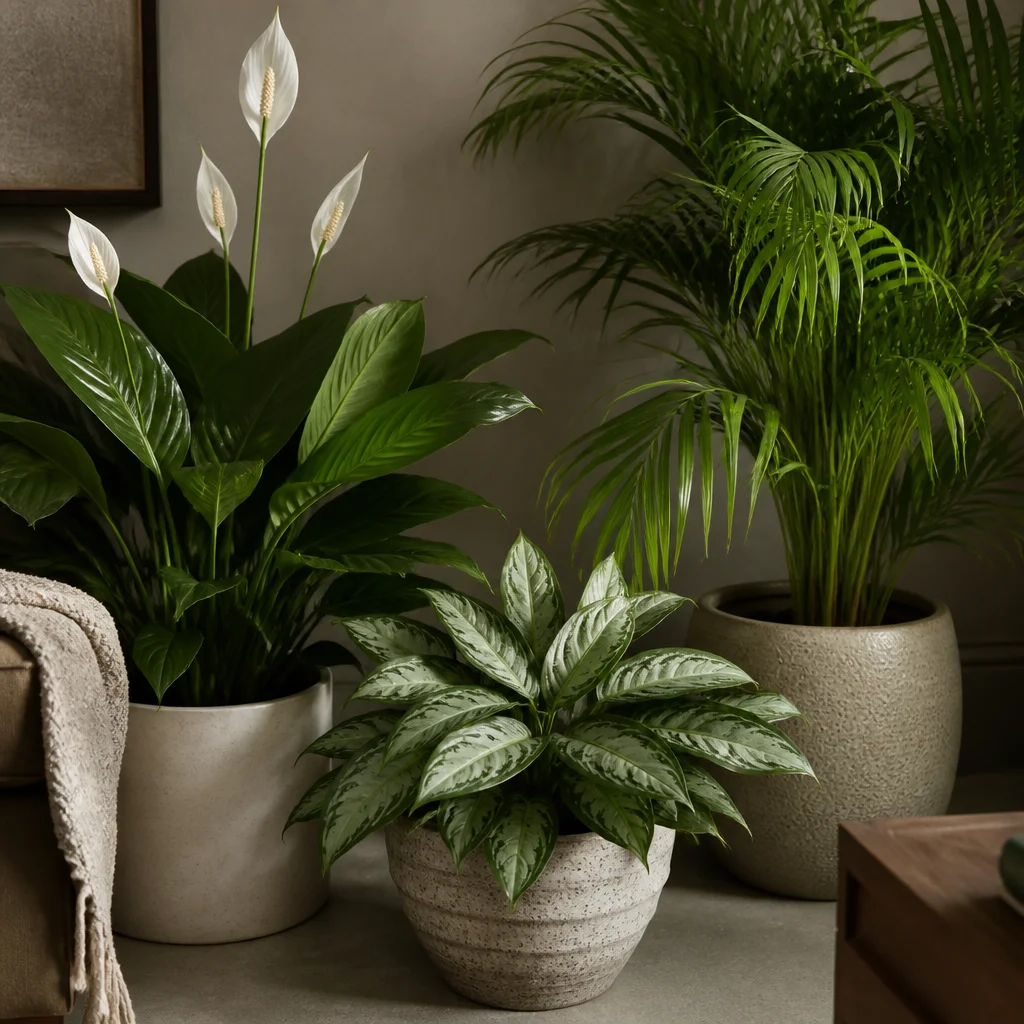
Layer broad leaves with fine foliage for a richer texture mix
Texture is often what separates a room with plants from a room that feels thoughtfully composed. In low light, broad-leaved plants such as peace lily, aglaonema, and some philodendrons bring a lush, generous surface that reflects light softly and calms a space. They are especially helpful in rooms with many hard materials like glass, metal, or painted plaster because they visually soften the environment. That softness becomes more interesting when it is paired with something finer or more linear. A parlor palm can bring feathery movement next to the smoother leaves of a Chinese evergreen, while a narrow-leaved dracaena can sharpen the composition. Try grouping in odd numbers with one dominant broad-leaf specimen, one medium-texture plant, and one airy accent. This creates depth without making a shady corner feel cluttered, and it lets each leaf type stand out instead of blending into one green mass.
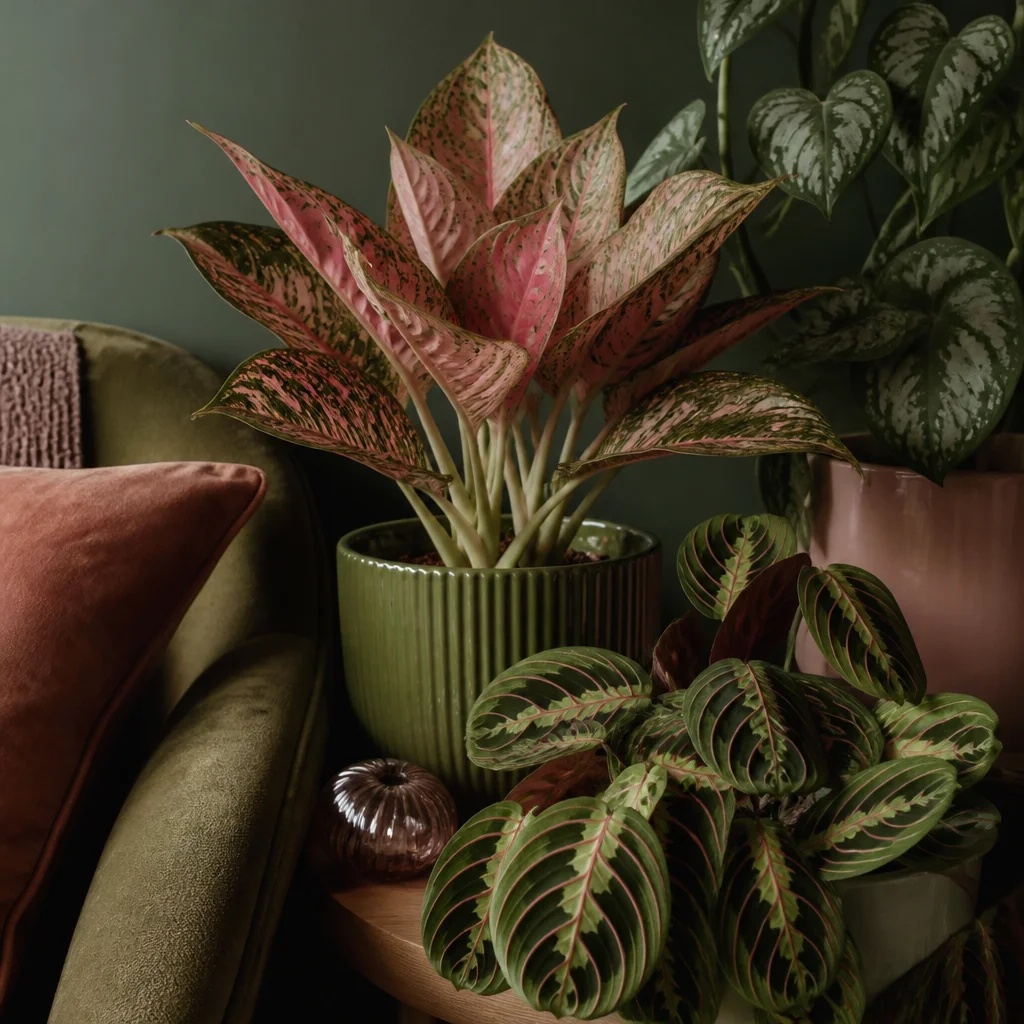
Bring in color through foliage rather than flowers
In lower light, foliage usually offers more reliable color than blooms, and it lasts far longer. Chinese evergreen is one of the best examples, with cultivars that carry silver, pink, red, or chartreuse tones even away from direct sun. Prayer plants and calatheas can also contribute patterned surfaces in deep green, plum, cream, or brushed silver, giving a room color complexity without needing a bouquet-like effect. The most elegant way to use colorful foliage indoors is to repeat one or two tones already present in the room. A plant with pink veining can echo a muted textile, while silver markings can relate to brushed metal lighting or cool-toned ceramics. Keep the palette restrained so the leaves read as refined accents rather than visual noise. In practice, one boldly patterned plant often has more impact than several competing varieties placed together.
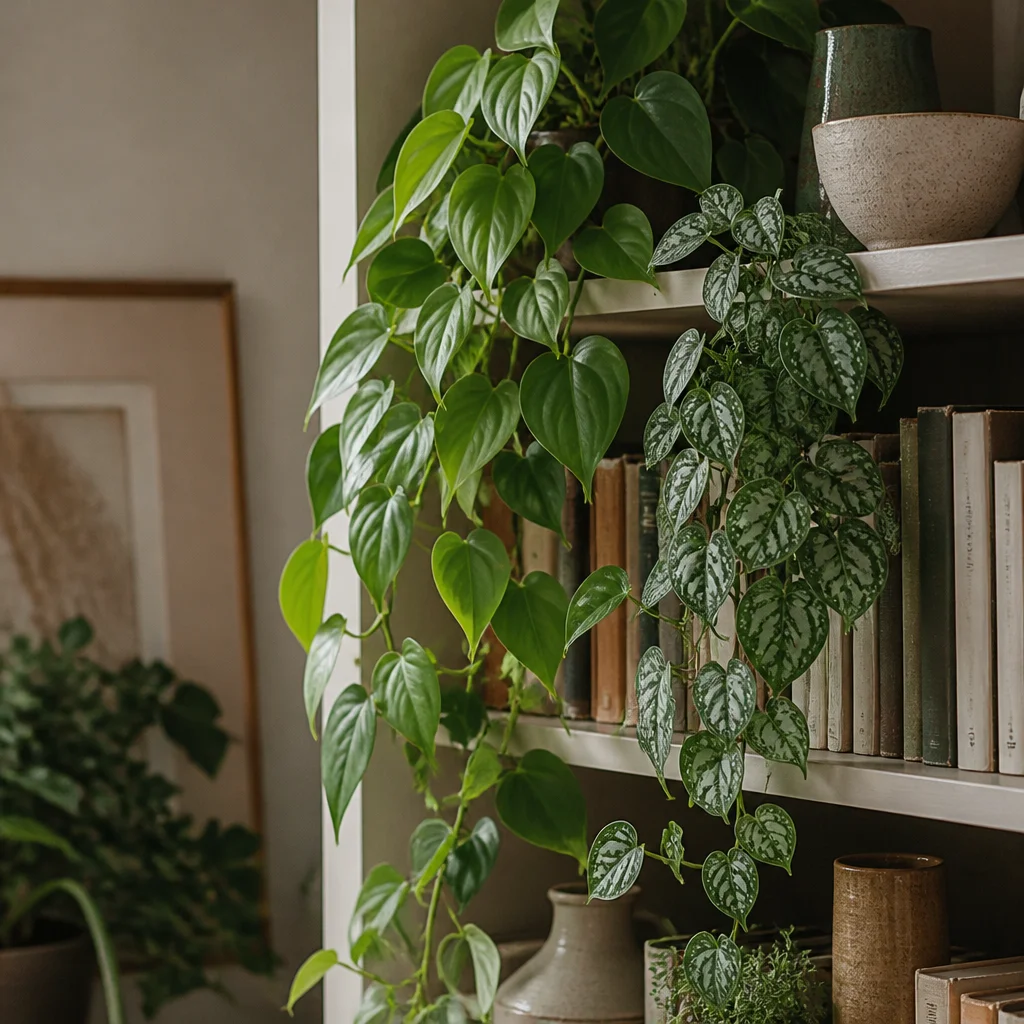
Soften shelves and edges with trailing or arching plants
Not every low-light plant should stand upright. Rooms feel more natural when some greenery breaks the straight lines of shelving, cabinets, and window ledges. Heartleaf philodendron is particularly effective in lower light because it trails generously, has a relaxed shape, and tolerates conditions that would weaken fussier vines. Satin pothos can offer a similar draping habit with added silver patterning that catches the eye in dimmer interiors. Use trailing plants where they can spill slightly into view rather than hanging them so high that the detail disappears. A bookshelf, mantel edge, or floating shelf at seated eye level usually gives the best effect. Let the stems arc naturally, and prune lightly to keep them full near the pot instead of leggy at the ends. If a room already has many tall plants, a trailing form introduces movement and prevents the arrangement from feeling too stiff or repetitive.
Choose statement leaves for quiet corners that need a focal point
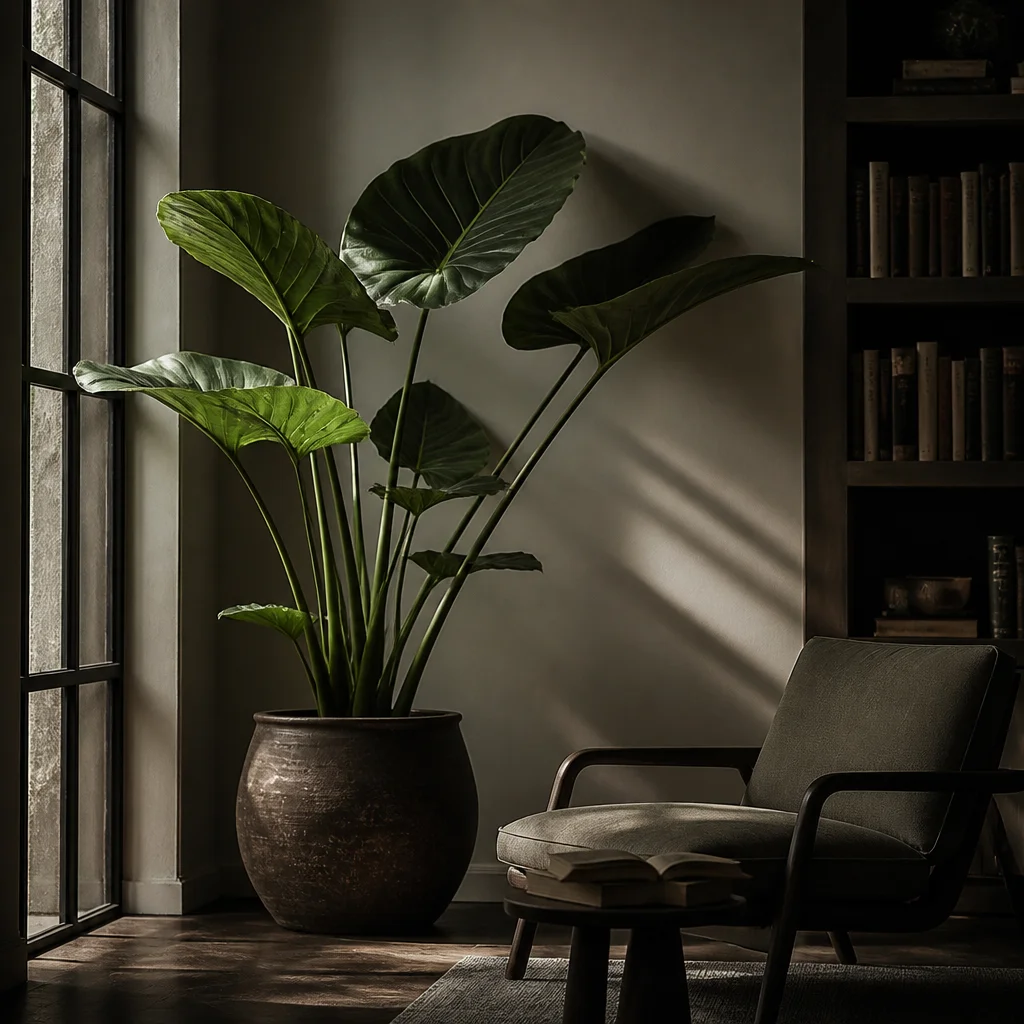
Some dim spaces need a single plant with enough personality to anchor the room. Large-leaved shade-tolerant plants can do this beautifully, especially where artwork is minimal or the architecture is plain. A mature peace lily, an aspidistra with strong striped or deep green foliage, or a broad philodendron can turn an overlooked corner into a destination simply by offering scale and calm visual weight. For this kind of focal planting, restraint is important. Give the plant breathing room so its outline is visible, and avoid surrounding it with too many small accessories. One bench, one lamp, and one substantial plant often look more polished than a busy collection of tiny pots. This approach is especially useful in entryways, landings, and reading corners where a single leafy shape can make the space feel finished without asking for bright light.
Use plant stands, stools, and varied pot heights to build depth
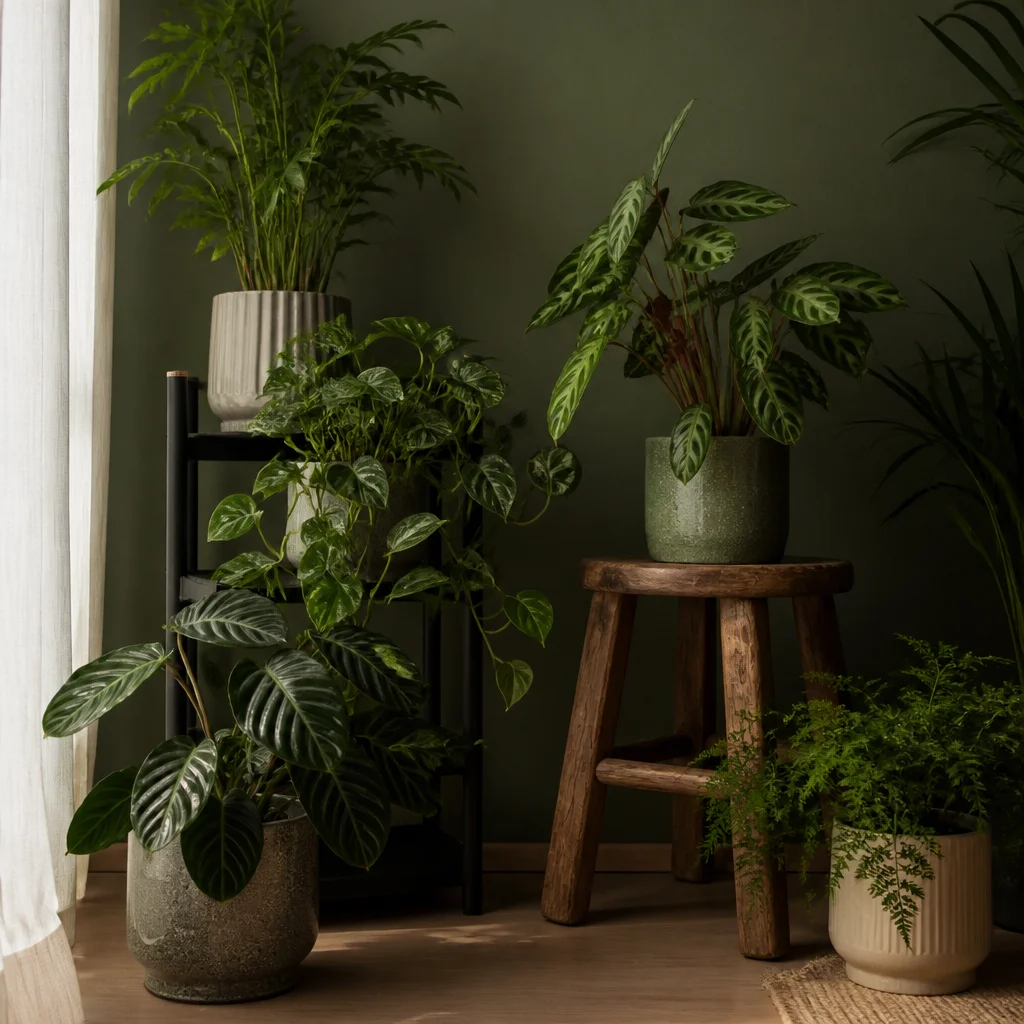
Even the most beautiful low-light plants can look flat if every pot sits directly on the floor or in a straight line across a sill. Height variation helps a collection feel designed. A small fern or prayer plant gains presence when lifted onto a stool, while a medium ZZ plant can bridge the gap between tabletop pieces and a taller floor specimen. This staggered arrangement lets each plant catch available light more evenly and prevents leaves from visually canceling each other out. Think in tiers rather than rows. Place the tallest plant slightly behind, a mid-height plant off to one side, and a smaller textured plant closer to the front. Leave enough negative space to distinguish shapes. Pot choice matters here too: repeating one material, such as terracotta, stoneware, or woven baskets used with liners, can unify mixed species. When the light is subdued, consistency in containers helps the forms and foliage carry the composition.
Match plant character to the mood of each room
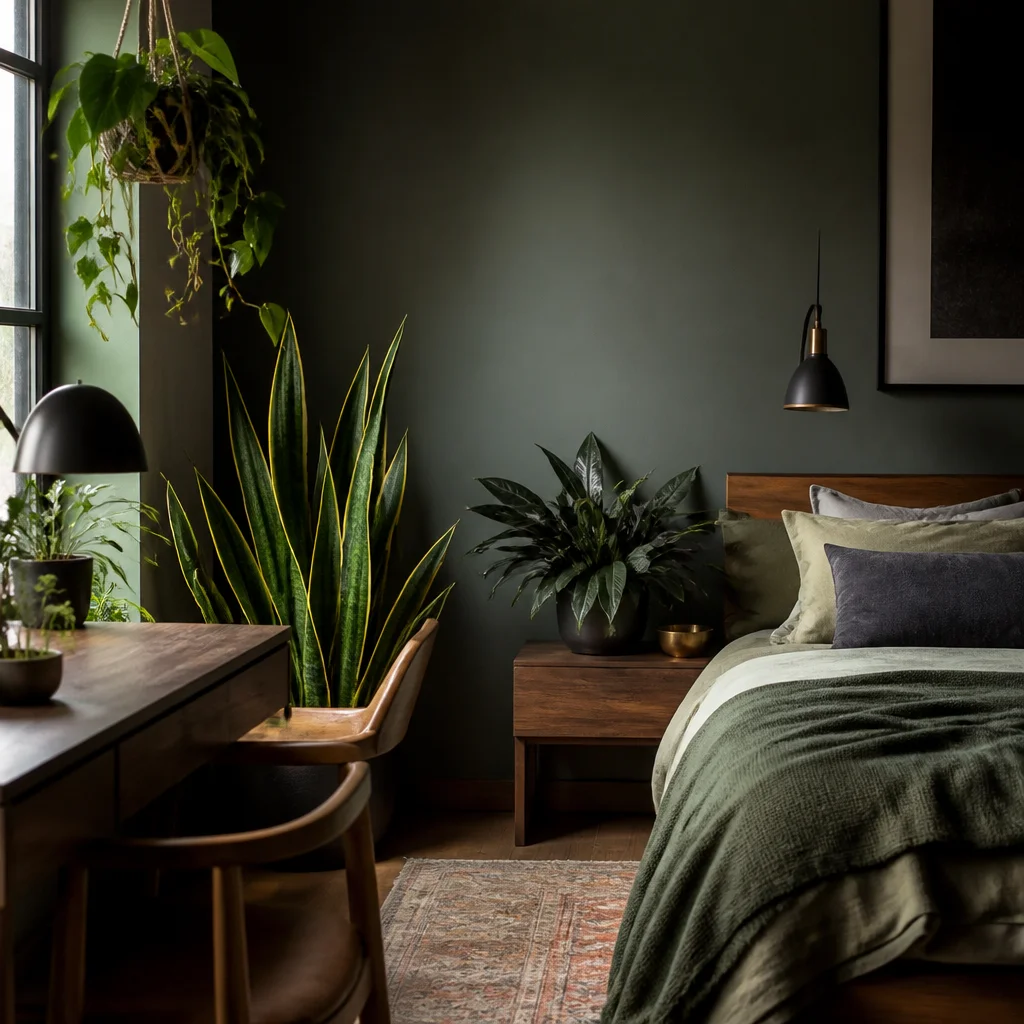
Different low-light plants project different atmospheres, and using that intentionally can make interiors feel more cohesive. For a calm bedroom, plants with smooth, dark, or arching leaves such as peace lily, cast iron plant, or heartleaf philodendron create a quieter mood than highly spiked or heavily patterned options. In a work area, upright snake plants or ZZ plants can feel structured and clean, supporting a more ordered environment. Living rooms and dining spaces usually benefit from a mix: one grounding tall plant, one broad-leaf plant to add generosity, and one trailing or patterned plant for detail. Bathrooms with modest natural light often suit ferns, prayer plants, or smaller philodendrons if humidity is naturally higher. Rather than repeating the same plant in every room, vary the character while keeping a consistent palette of pot colors or leaf tones so the whole home still feels connected.
Keep low-light displays looking fresh with simple care habits
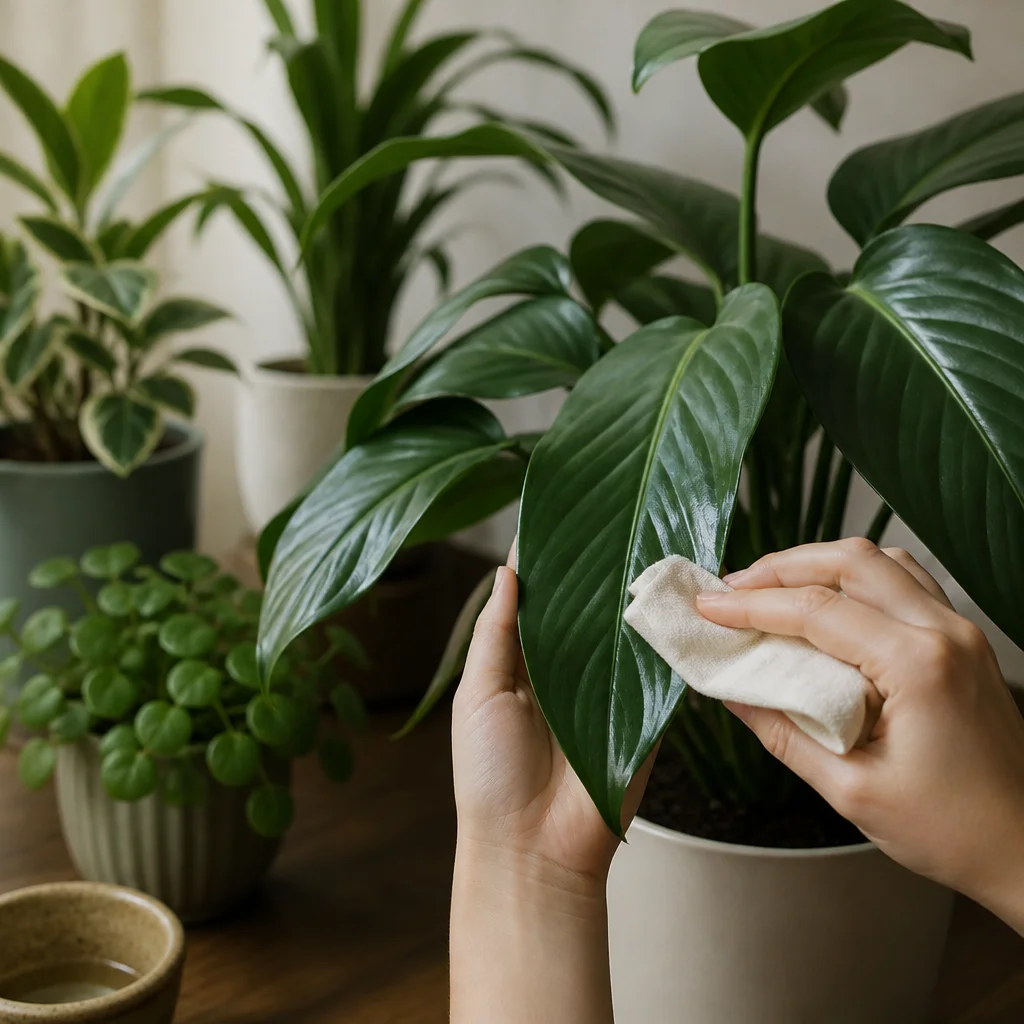
A stylish planting scheme only works if the plants continue to look healthy, and low light often requires slower, more observant care rather than more frequent attention. Growth usually slows in dimmer conditions, so overwatering is the most common mistake. Let the potting mix partly dry according to the plant’s needs, empty cachepots after watering, and rotate containers every few weeks so growth stays balanced instead of leaning toward the nearest window. Dust management is also more important than many people realize. In lower light, every bit of leaf surface helps with photosynthesis, and dusty foliage can make even attractive plants look tired. Wipe broad leaves gently, trim yellowed growth promptly, and resist crowding too many plants together if air circulation is poor. A curated low-light collection should feel intentional and easy, with each plant healthy enough to show off its texture, height, or color to full effect.
How did this story make you feel?
Choose one reaction. You can change it later.