Flowering Houseplants9 min read
Flowering Houseplants for Every Room: Picks for Kitchens, Bedrooms, and More
A flowering houseplant can do more than add color to a windowsill. The right plant helps a room feel finished, softens hard surfaces, and brings a sense of season indoors even when the view outside is gray. But blooming plants are not one-size-fits-all. A sunny kitchen, a humid bathroom, and a calm bedroom each ask for something different in terms of light, size, maintenance, and visual mood. Choosing by room is a practical way to get better results. Instead of forcing one plant to work everywhere, match each bloomer to the conditions you already have and to the role you want it to play. Some flowers look best as cheerful accents on a counter, while others deserve space as a focal point in a living area. With a little planning, you can place flowering houseplants where they will thrive and where their blooms will feel naturally at home.

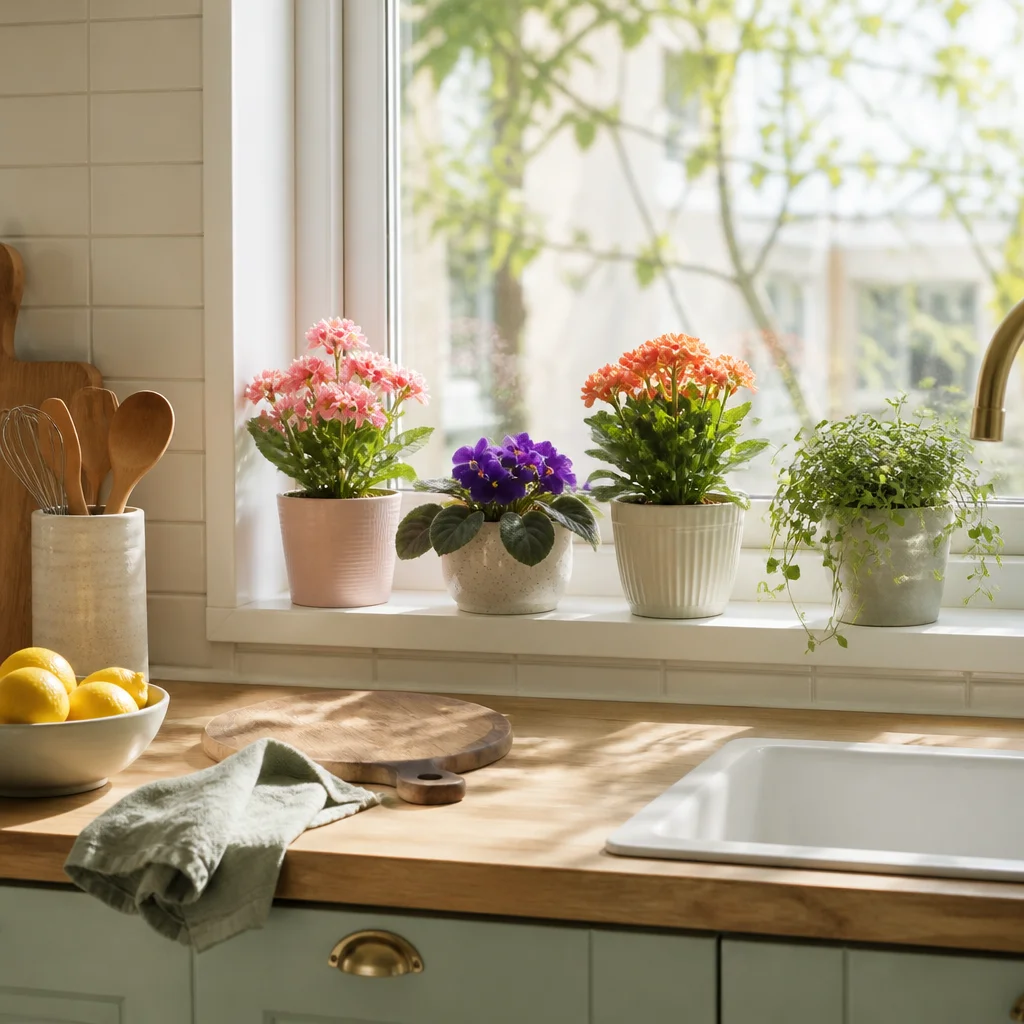
Bright kitchens suit compact bloomers that enjoy routine attention
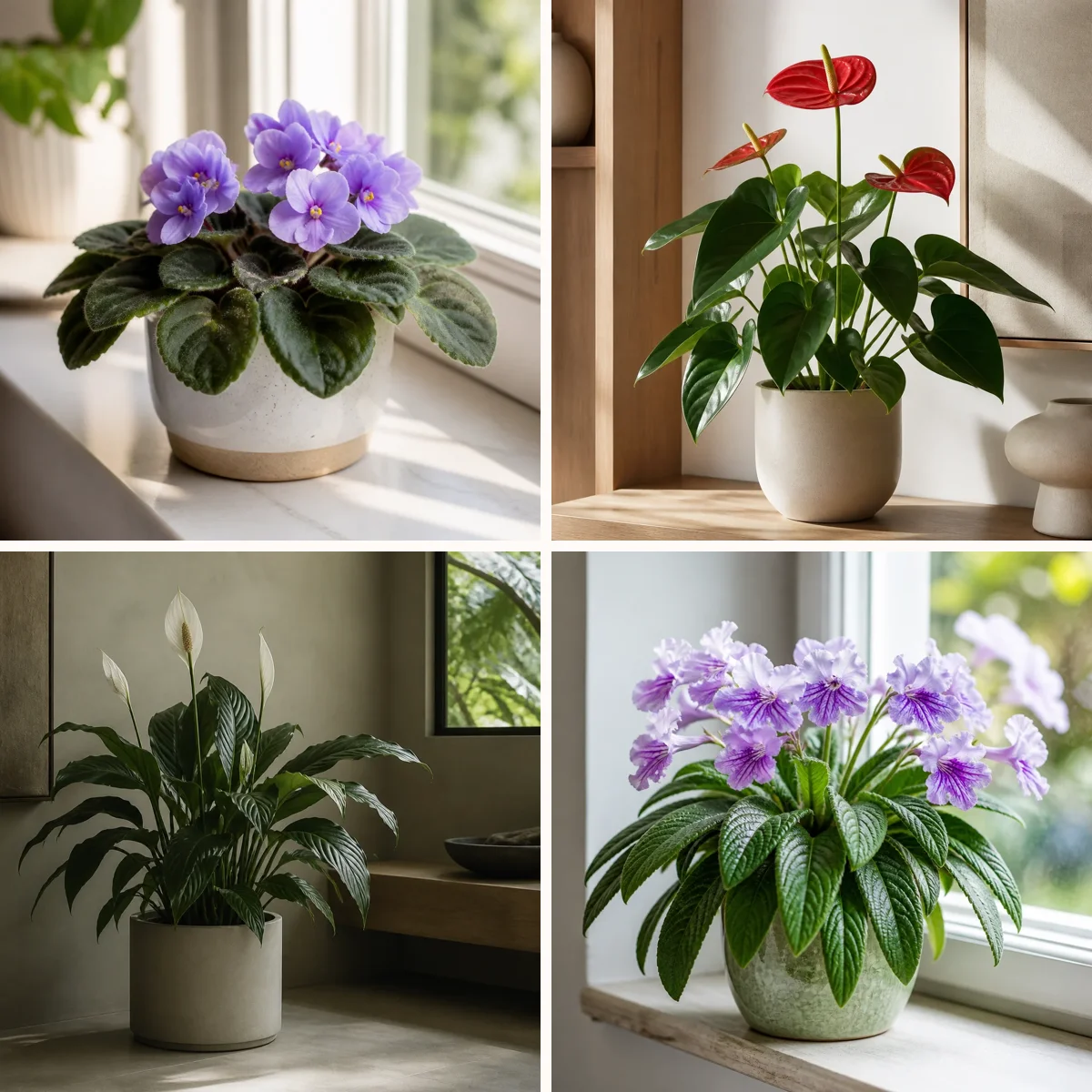
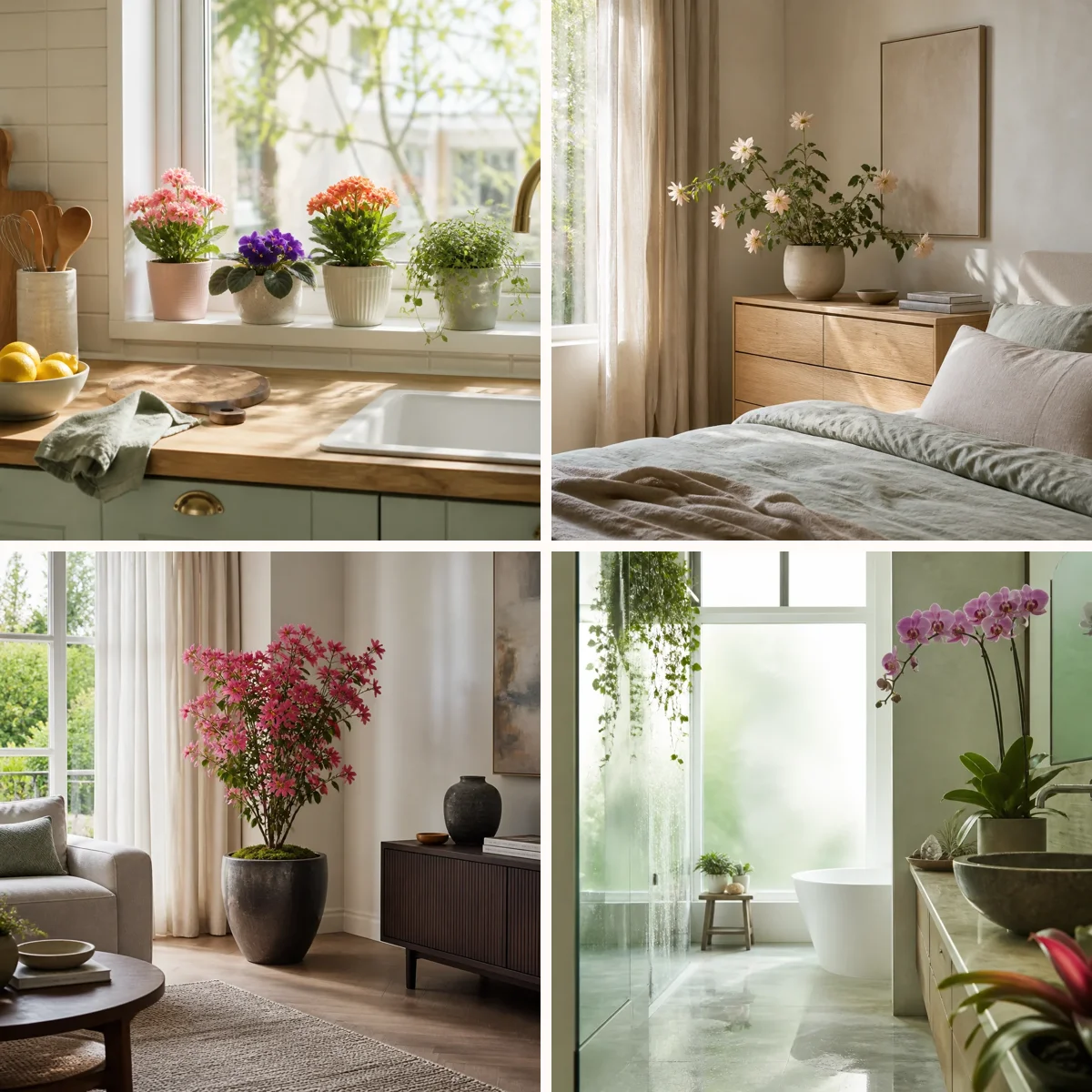
Kitchens are often excellent places for flowering houseplants because they tend to have bright windows, regular warmth, and frequent human activity. Compact bloomers such as kalanchoe, African violet, and florist cyclamen work especially well here. They fit neatly on a breakfast nook, a narrow sill, or an open shelf, and they benefit from the regular observation that kitchen life provides. When you pass by several times a day, it is much easier to notice dry soil, fading blooms, or leaves pressed too closely against cold glass. For a kitchen display that feels intentional rather than crowded, group one or two flowering plants with everyday objects that share their scale, such as a ceramic fruit bowl or a small stack of cookbooks. Keep the palette simple so the flowers stand out. If the room gets strong morning sun, African violets may prefer to sit slightly back from the glass, while kalanchoe can often handle a brighter spot. Avoid placing delicate bloomers directly beside the stove or drafty exterior doors, where heat swings can shorten the flowering period.
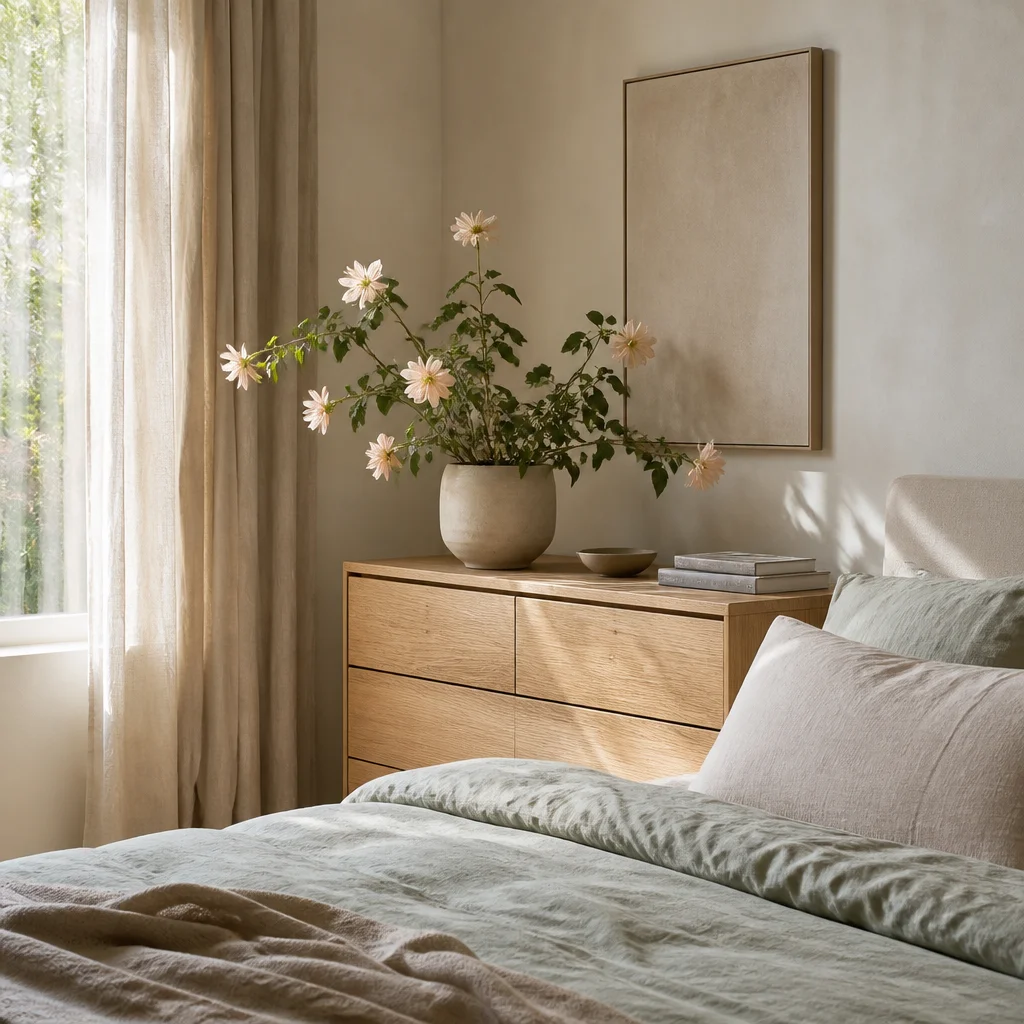
Bedrooms benefit from soft colors and restrained floral displays
In a bedroom, flowering houseplants usually work best when they support a restful atmosphere instead of competing with it. Look for plants with a gentle habit and blooms in softer shades, such as peace lilies, African violets, or certain orchids. These choices add elegance without making the room feel visually busy. A bedside dresser, low chest, or bright corner can hold a single plant that gives the space life while still feeling calm. Styling matters as much as the plant itself. Choose a pot that echoes bedroom materials such as linen, pale wood, or matte ceramic, and keep the arrangement uncluttered. One flowering plant with room around it is often more effective than several packed together. If your bedroom light is moderate rather than bright, prioritize a plant that keeps attractive foliage between blooming cycles so the display still earns its place in the room. This approach helps the plant feel like part of the design all year, not just during a brief flush of flowers.
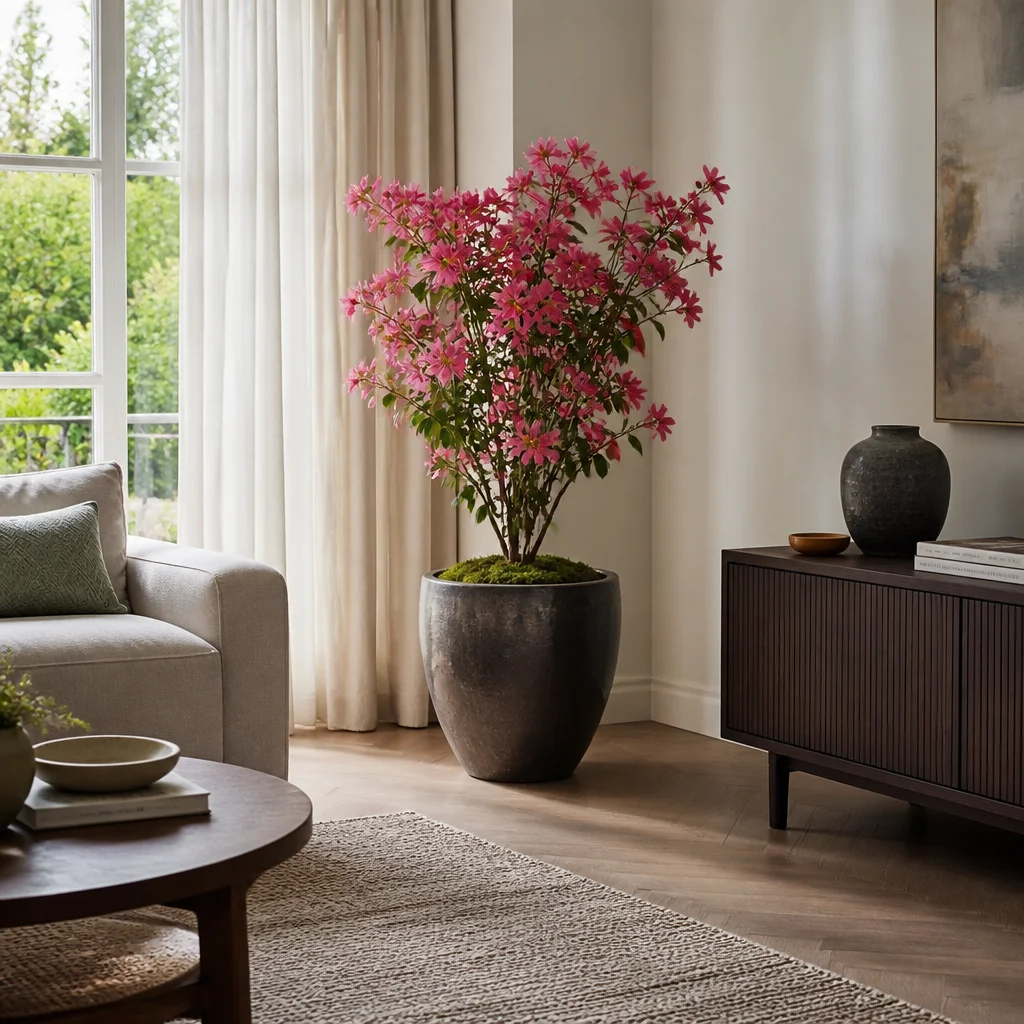
Living rooms can carry a statement bloomer with real presence
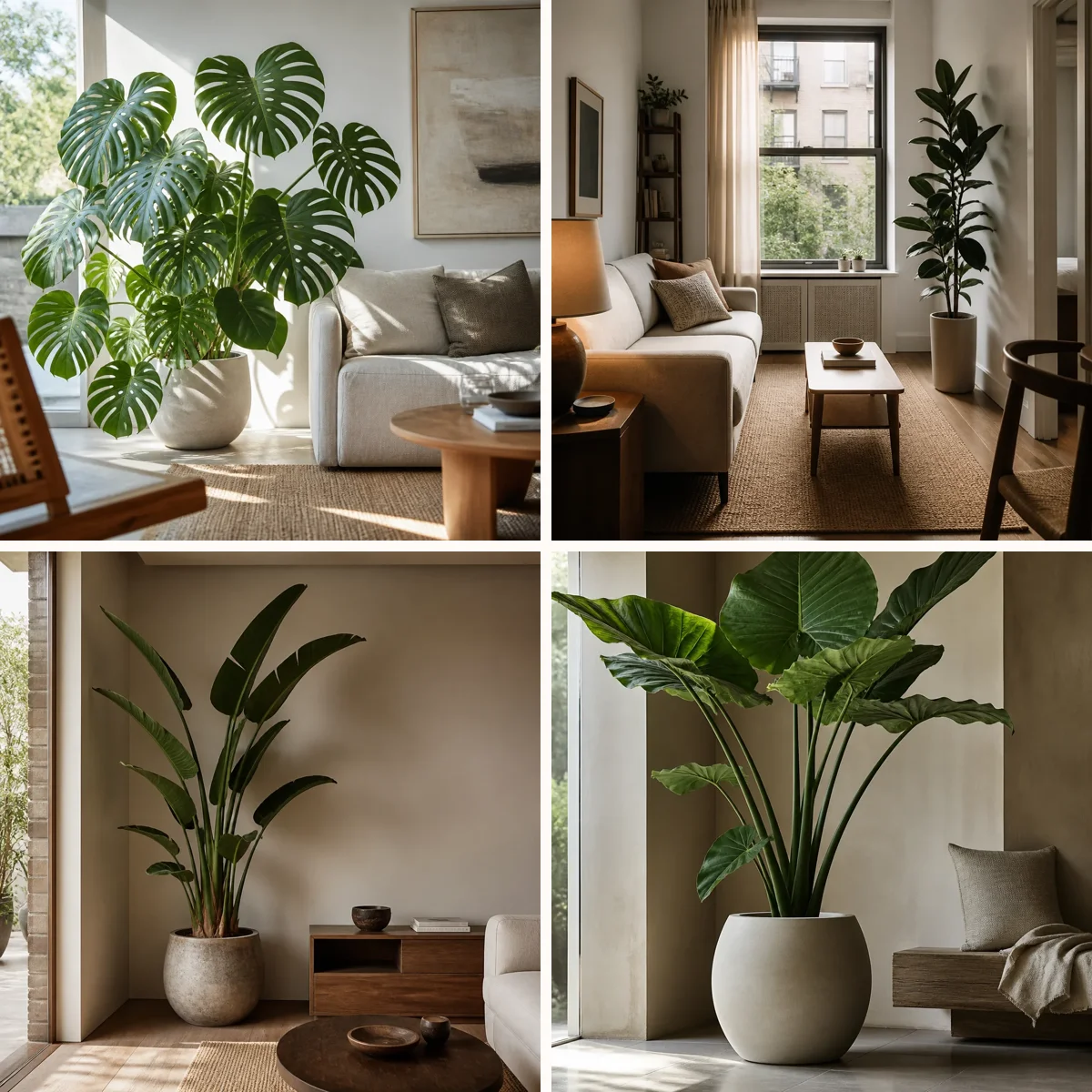
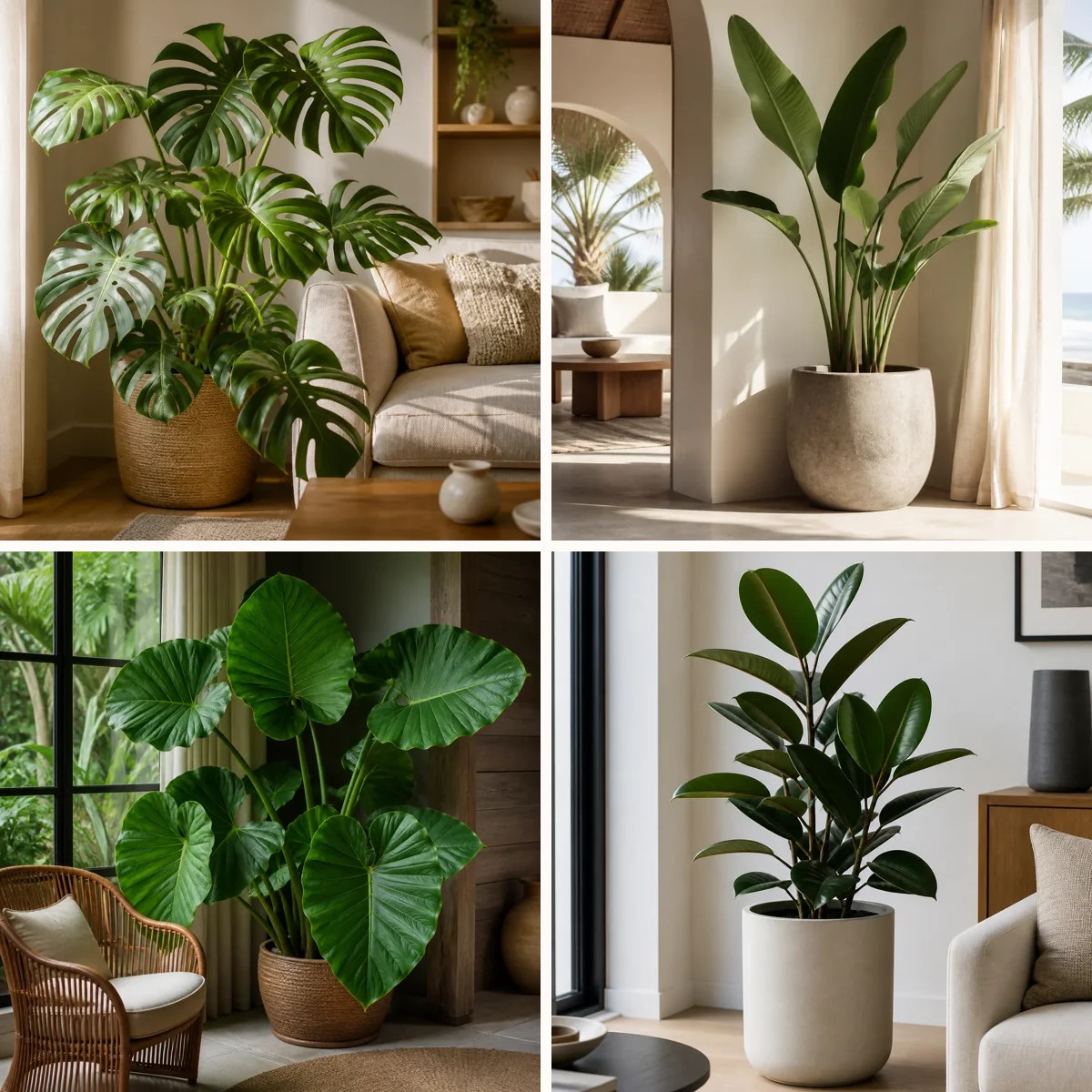
If you want a flowering houseplant to act as decor rather than just an accent, the living room is usually the best candidate. This is where larger, more sculptural bloomers can shine, especially in bright spaces with room around the plant. Anthuriums, larger orchids, and well-grown hibiscus can all provide that focal-point effect. Their blooms read clearly from across the room, and their shape can balance a sofa, fill an empty corner, or anchor a window area. To make a statement plant look sophisticated, give it enough negative space. A large bloomer squeezed between too many objects loses impact quickly. Use a stand or substantial pot to bring the plant to the right visual height, and repeat one color from the flowers elsewhere in the room through a cushion, rug detail, or vase. This small echo makes the plant feel integrated into the room’s palette rather than randomly dropped into place. Be realistic about light, though: a dramatic plant in the wrong corner will decline slowly, so place beauty second and suitable conditions first.
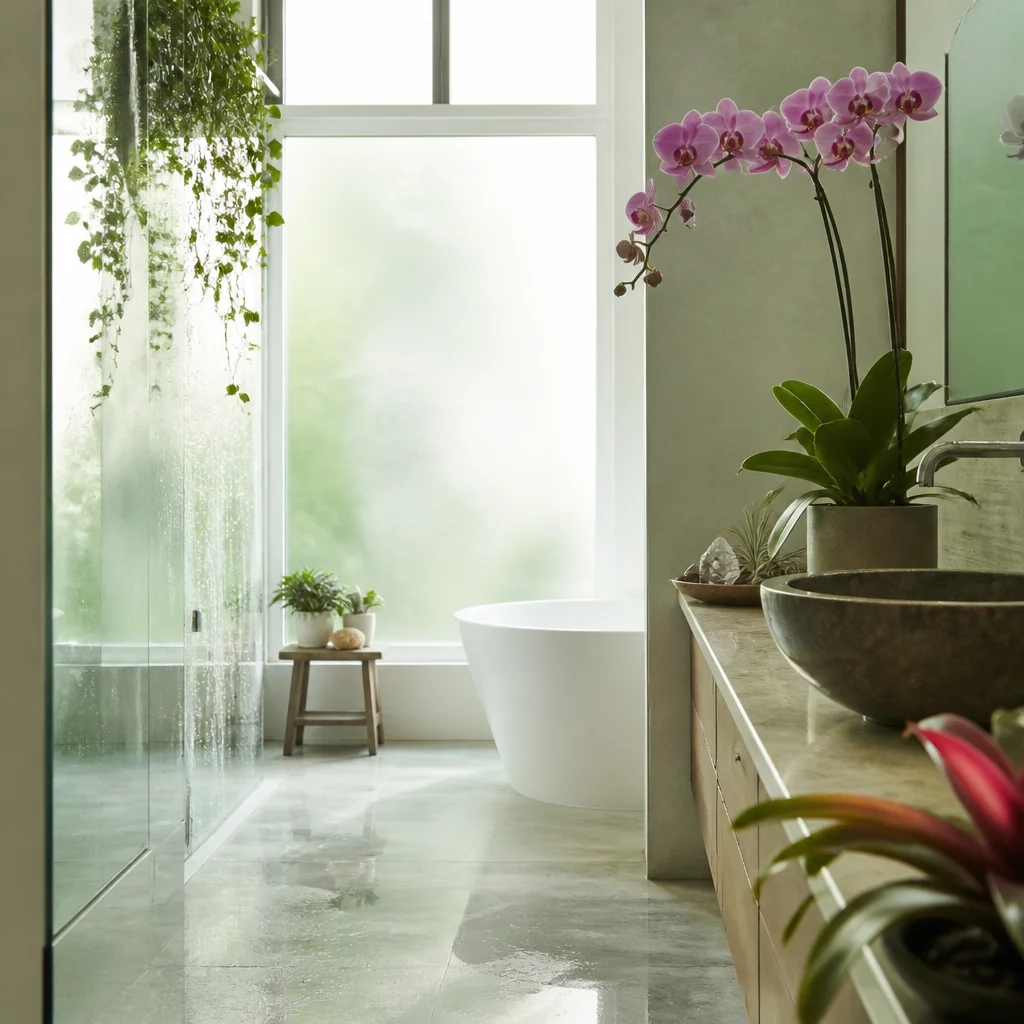
Bathrooms reward plants that appreciate humidity and filtered light
A bathroom can be a surprisingly good home for flowering houseplants, especially if it has a window and tends to stay humid after showers. Moth orchids and bromeliads are particularly well suited to these conditions. Their blooms last well, their forms feel fresh and architectural, and they often appreciate the moisture in the air more than many dry-room plants do. A windowsill, vanity corner, or shelf near a bright frosted window can become an ideal perch. Because bathrooms are usually smaller, choose one plant with a clean silhouette rather than several fussy ones. This keeps the room from feeling overfilled. Pair the plant with simple containers in white, stone, or muted earth tones so the flowers become the visual highlight. If the bathroom has low natural light, treat it as a temporary styling location and rotate the plant back to a brighter room every so often. That way, you can enjoy the decorative effect without expecting a light-loving bloomer to live indefinitely in dim conditions.
Home offices need cheerful flowers that lift the desk zone
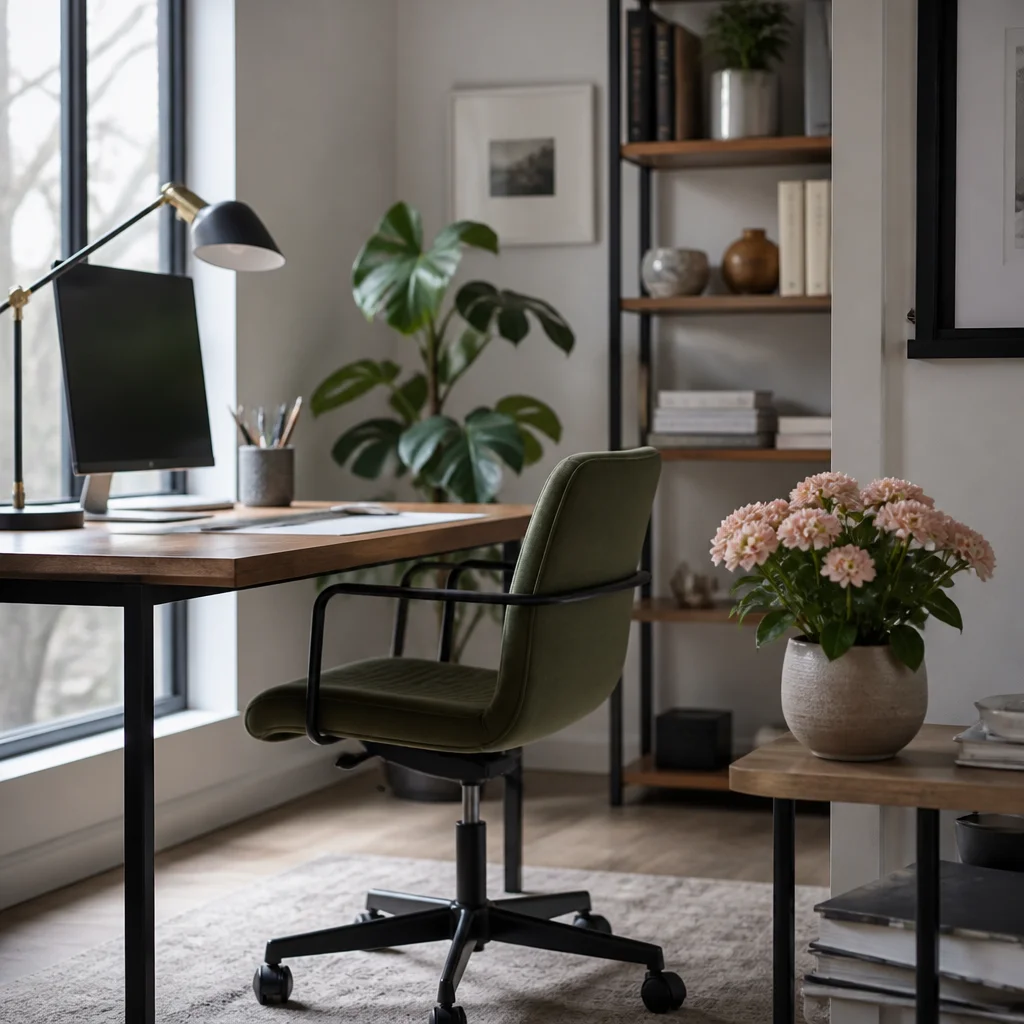
A work area benefits from flowering plants that are upbeat and neat rather than sprawling or high maintenance. A compact peace lily, an anthurium, or a tidy pot of begonias can add enough color to soften the functional feel of a desk without becoming a distraction. In a home office, the goal is not abundance but strategic placement: one flowering plant in your line of sight can make the room feel more welcoming during long hours indoors. Place the plant where it brightens the workspace but does not block task lighting or crowd the desk surface. A side table, filing cabinet, or shelf just behind the screen often works better than the main work area itself. If your office gets strong light on one side of the day, rotate the pot every week or two so the plant grows evenly and continues to present well. This is one of the easiest ways to keep a blooming plant looking polished in a room where order and clarity matter.
Dining areas look best with low arrangements that invite conversation
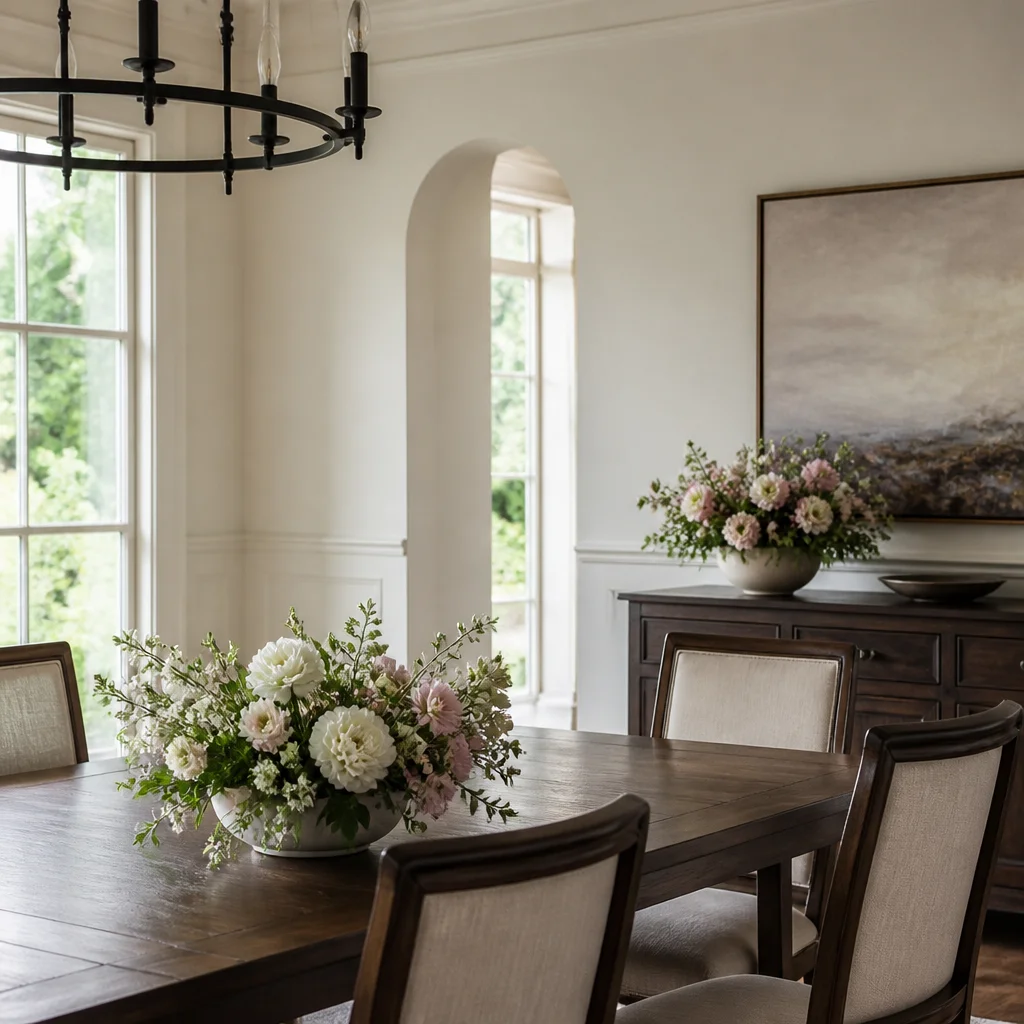
Flowering houseplants in a dining room should enhance the table and surrounding furniture without interrupting sightlines. For that reason, lower-growing bloomers such as African violets, begonias, or compact orchids are often better choices than tall, branching plants. They provide color and refinement without making the table feel crowded or formal in a stiff way. A sideboard, console, or central table can all work as display spots if the arrangement stays proportionate to the room. Think in terms of repetition and restraint. A pair of matching flowering plants on a sideboard can frame artwork or a mirror beautifully, while a single blooming plant centered on a table feels clean and modern. Keep containers coordinated with the dining room’s overall finish, such as warm terracotta in a rustic space or smooth ceramics in a more tailored one. If you use a plant on the table, choose one with a tidy growth habit and no heavy fragrance so the display remains pleasant during meals.
Entryways call for durable bloomers and strong first impressions
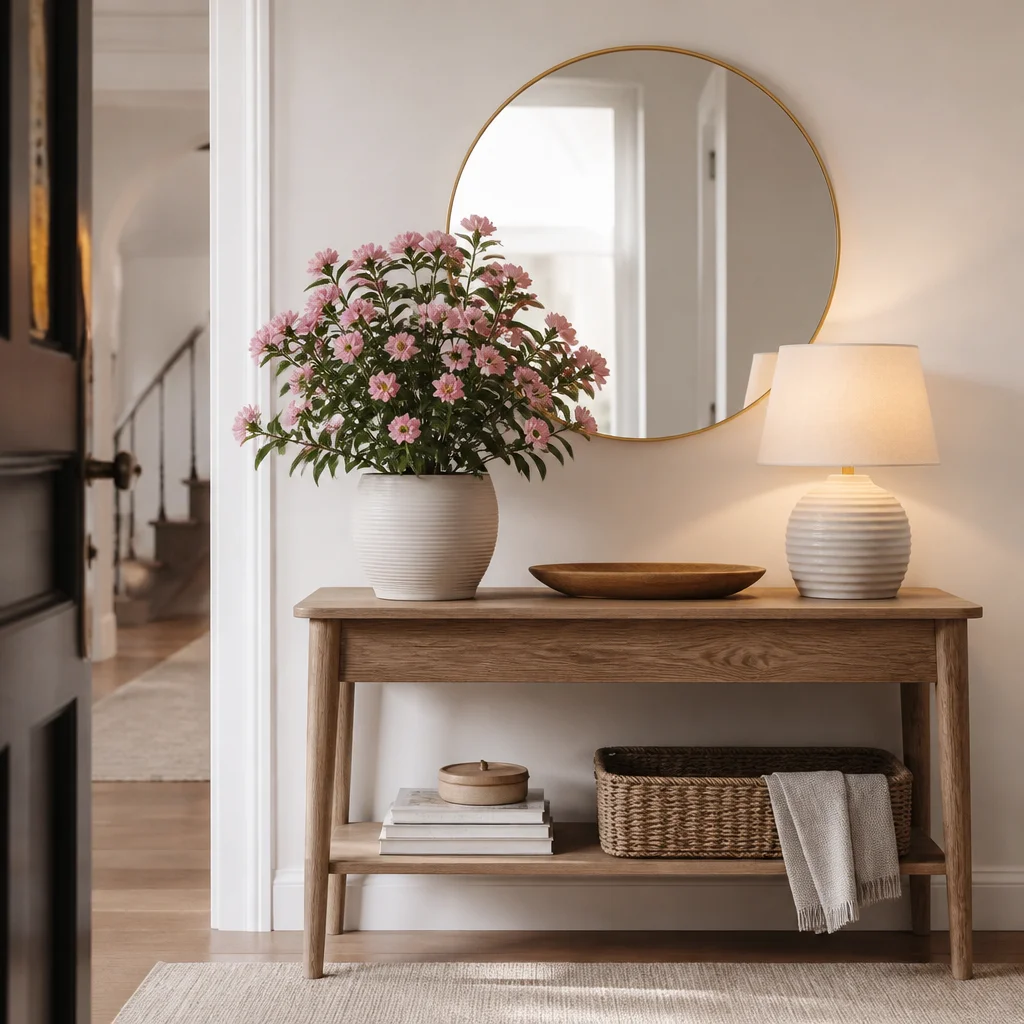
The entryway sets the tone for the home, so a flowering plant here should be both attractive and able to handle less-than-perfect conditions. Light in entry spaces is often inconsistent, with brief bright periods near the door and dimmer stretches farther inside. Plants such as anthurium or peace lily can work well if there is enough ambient brightness, especially when their glossy foliage continues to look good between blooms. The key is choosing a plant that feels welcoming without demanding constant intervention in a transitional space. For styling, think about height and arrival. A flowering plant on a narrow console may be enough, but in a larger foyer, a plant stand can lift the blooms so they are visible as soon as someone enters. Pair the pot with practical entry elements such as a tray or lamp, but avoid overcrowding the surface. Because this is a pass-through zone, leave enough room around the plant to prevent accidental brushing against flowers or foliage. A well-placed bloomer in the entryway can make the whole home feel more considered.
Small rooms improve when you choose vertical or narrow flowering plants
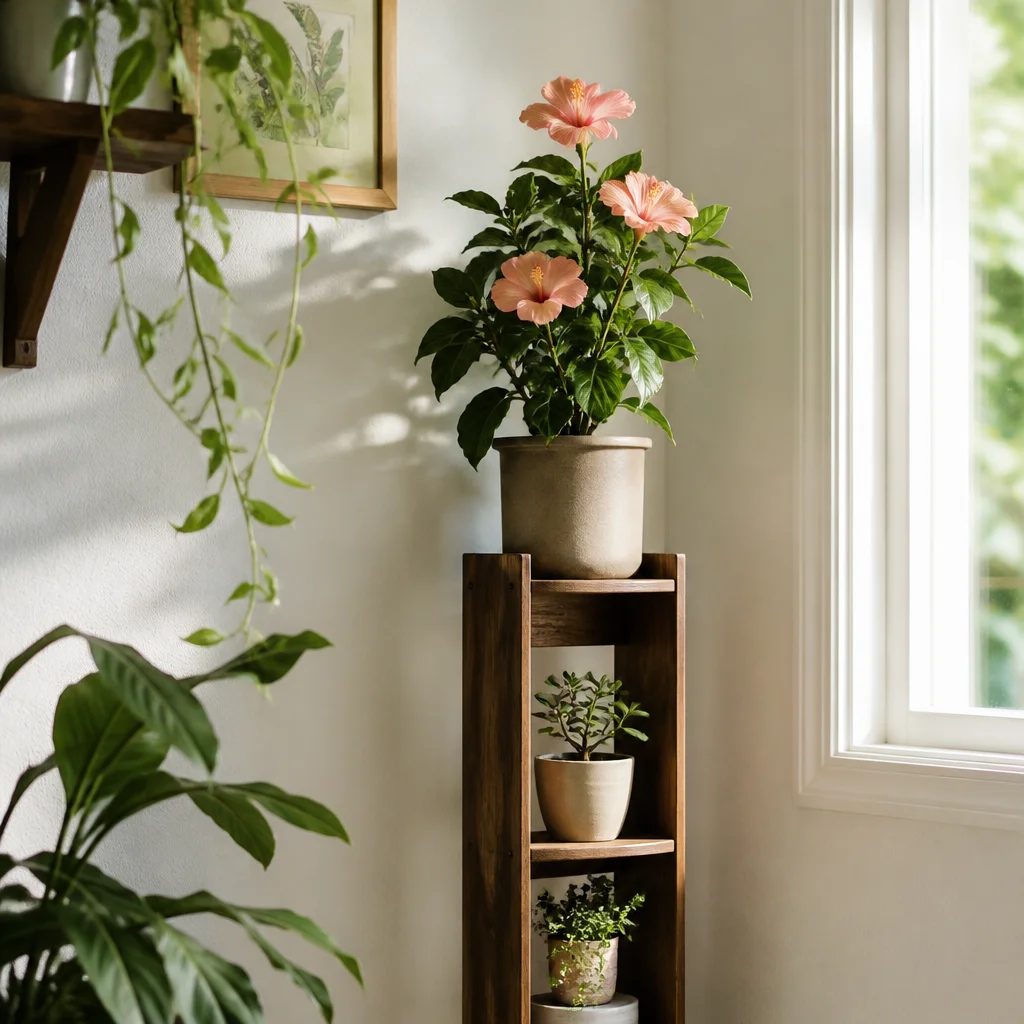
In tighter rooms, the best flowering houseplants are often the ones that offer impact without taking over floor or surface space. Upright orchids, slender anthuriums, and compact bromeliads are useful because they create a vertical line or a tidy rosette rather than a wide, spreading mass. This makes them ideal for studio apartments, guest rooms, or small reading corners where every surface matters. You still get the pleasure of blooms, but the plant does not visually shrink the room. Use vertical space thoughtfully. A narrow wall shelf near a bright window, a plant stand tucked beside a chair, or a petite table in an unused corner can all support a flowering display without disrupting movement. To make a small room feel cohesive, avoid mixing too many pot colors and shapes. Repeating one container finish creates a calmer look, which is especially important where space is limited. When the plant’s form is disciplined and the styling is simple, even a small room can carry flowers gracefully.
Success comes from matching bloom cycles and care habits to daily life
The most beautiful flowering houseplant is still the wrong choice if it does not suit your schedule or your room conditions. Before buying, consider not only where the plant will sit, but how often you are willing to water, groom, and monitor it. Some bloomers offer a concentrated burst of flowers followed by a quieter period, while others bloom in waves if conditions stay favorable. A practical match between plant and routine is what keeps the display attractive over time. It also helps to treat flowering plants as part of a rotating home collection. Move a plant into a spotlight position when it is in bloom, then shift it to a supportive growing spot when flowers fade and another plant takes center stage. This habit keeps every room looking fresh without expecting one plant to perform constantly. By balancing light needs, mature size, and decorative impact, you can place blooming houseplants with more confidence and enjoy flowers in ways that feel natural to each room.
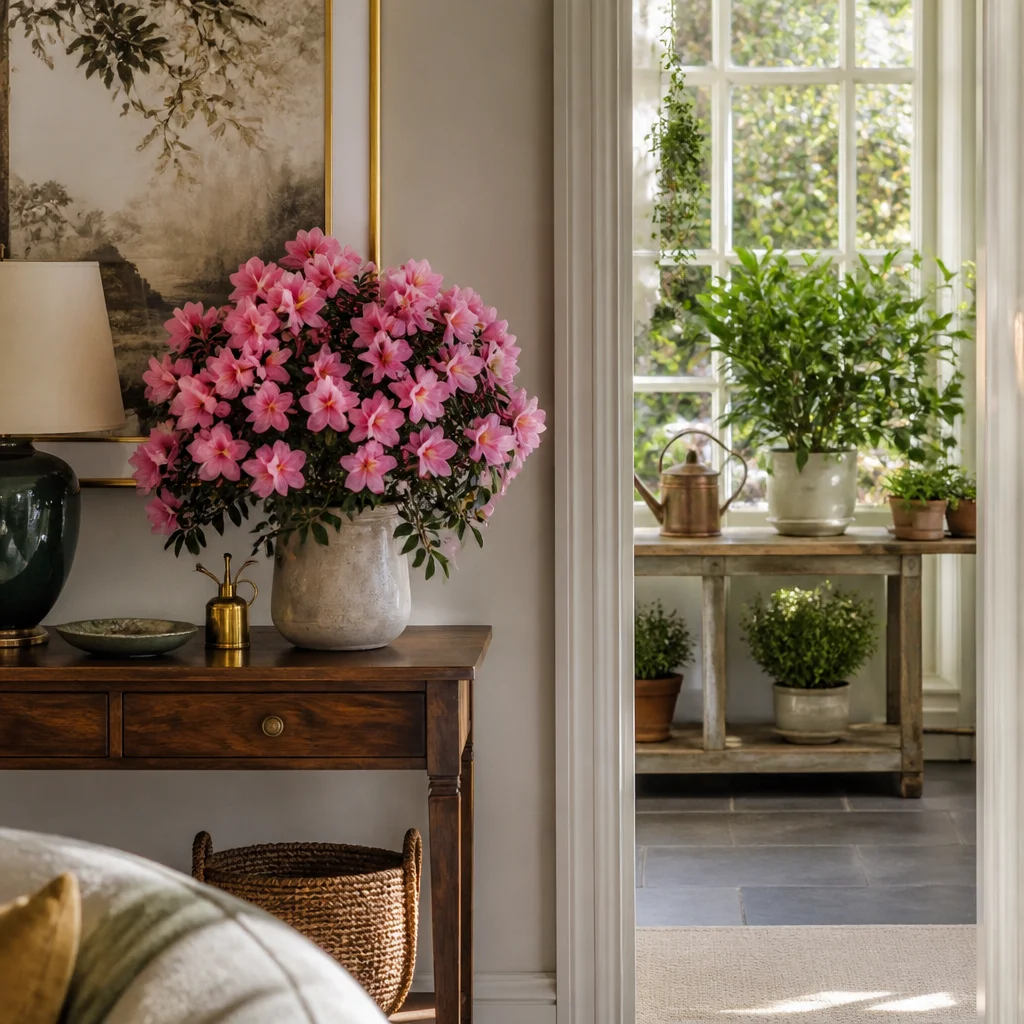
Images are AI-generated inspiration concepts.
Explore the categories ↗How did this story make you feel?
Choose one reaction. You can change it later.