Flowering Houseplants8 min read
Flowering Houseplants with Beautiful Foliage Between Bloom Cycles
Some flowering houseplants earn their place only when buds open, then fade into the background for the rest of the year. The most satisfying indoor bloomers do more: they hold a room together with handsome leaves, neat shape, and enough visual character to look intentional even in quiet months. If you want plants that bring seasonal flowers without leaving you with a plain green placeholder between displays, it helps to choose varieties where foliage, silhouette, and repeat performance matter just as much as bloom color. The best candidates combine two jobs in one pot. They flower indoors with some regularity, but they also offer patterned leaves, glossy texture, arching sprays, or compact mounds that suit shelves, tables, and windowsills every week of the year. The ideas below focus on practical ways to use and care for flowering houseplants that keep contributing long after petals fall, so your indoor garden still feels polished between bloom cycles.

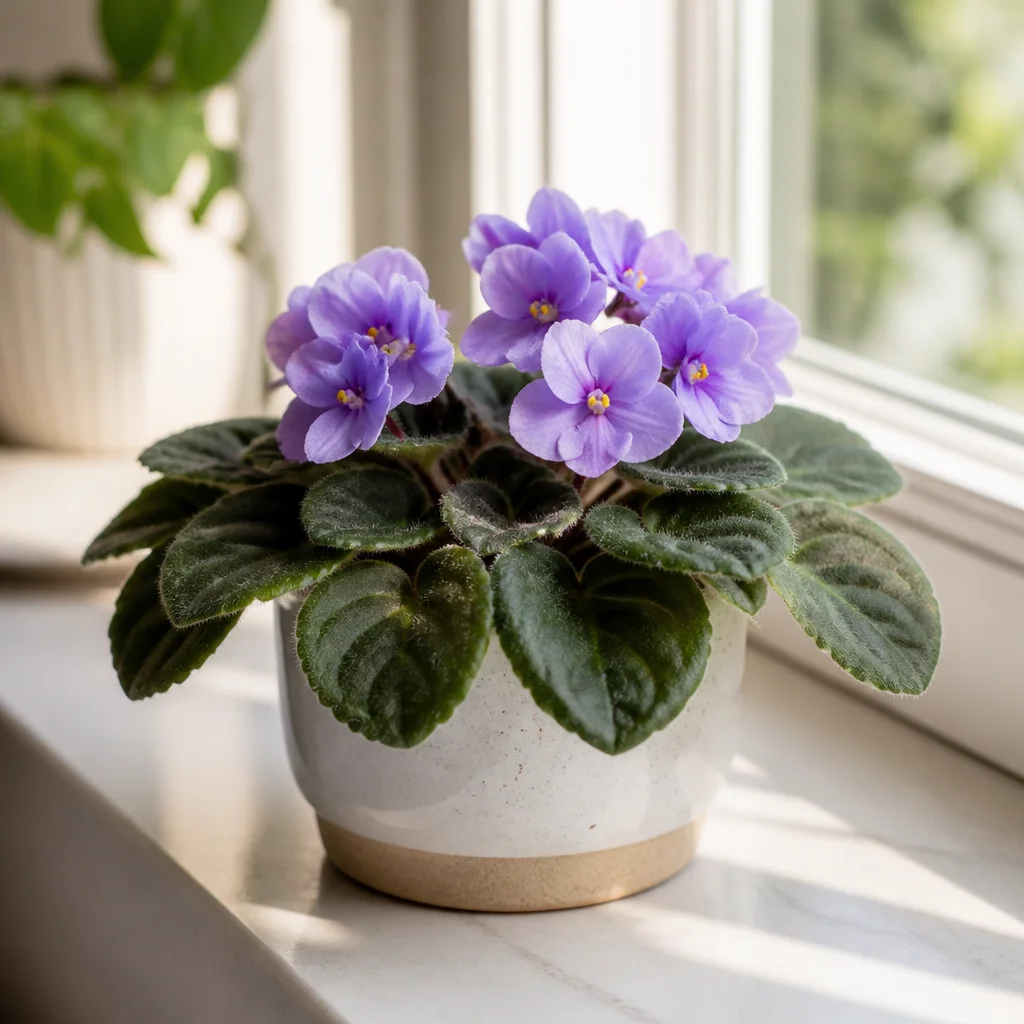
African violets bring soft color and a naturally tidy shape
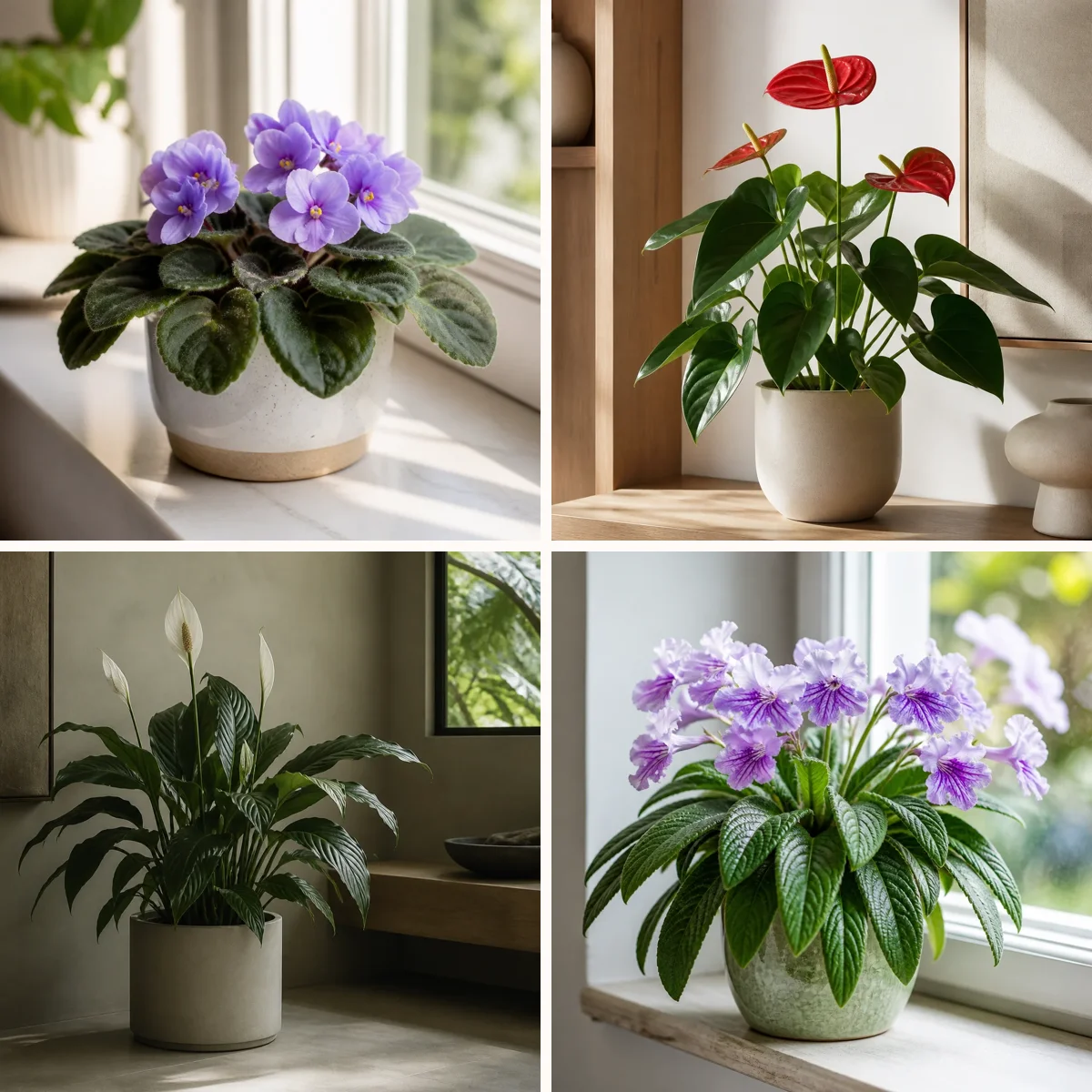
African violets are a classic example of a plant that stays attractive even when not flowering. Their velvety leaves form a low, symmetrical rosette that looks finished and deliberate on a side table, desk, or kitchen sill. Because the foliage is compact rather than sprawling, one plant can read as a decorative accent instead of visual clutter, and the softly fuzzy texture adds warmth to rooms filled with smooth ceramics, glass, and metal. To keep them looking good between bloom flushes, give them bright filtered light and rotate the pot so the rosette stays even. Remove spent flower stalks promptly, but leave healthy leaves in place to maintain the rounded form. Styling is simple: group one or three plants in matching small pots for a collected look, or place a single specimen in a shallow decorative cachepot where the leaf rosette can be appreciated from above.
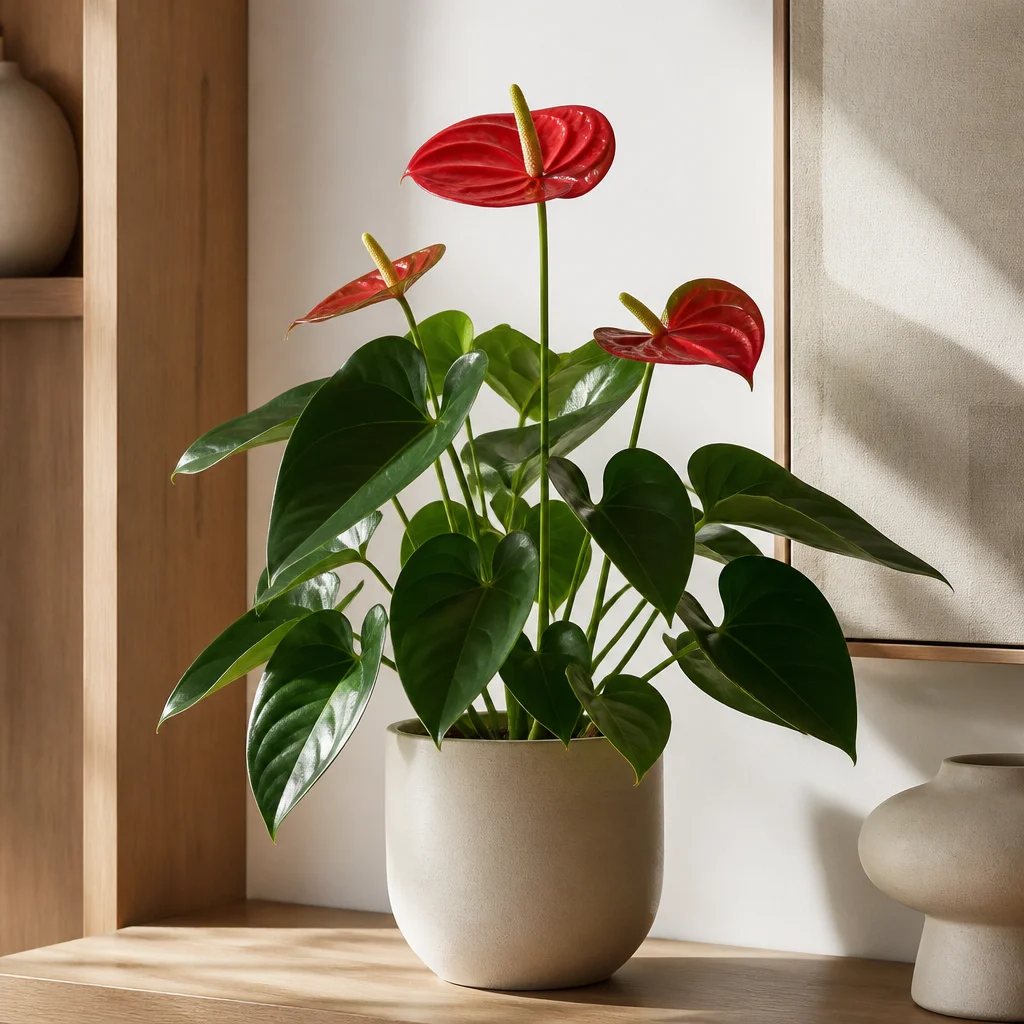
Anthuriums earn year-round space with glossy leaves and upright poise
Anthuriums are often chosen for their long-lasting colorful spathes, but their foliage deserves equal attention. The leaves are thick, polished, and heart-shaped, giving the plant a clean, architectural presence when it is out of bloom. Even one plant can anchor a corner of a shelf because the upright stems keep it looking ordered rather than floppy, and the glossy finish reflects light in a way that brightens dimmer interiors. For a polished effect, use anthuriums where their leaf sheen contrasts with matte surfaces such as limewashed walls, woven baskets, or unfinished wood. Keep the plant in bright indirect light and avoid overpotting, which can encourage too much damp soil and a looser habit. Wiping the leaves occasionally helps the foliage stay lustrous, and that simple care step often makes the plant look freshly styled even in bloom-free stretches.
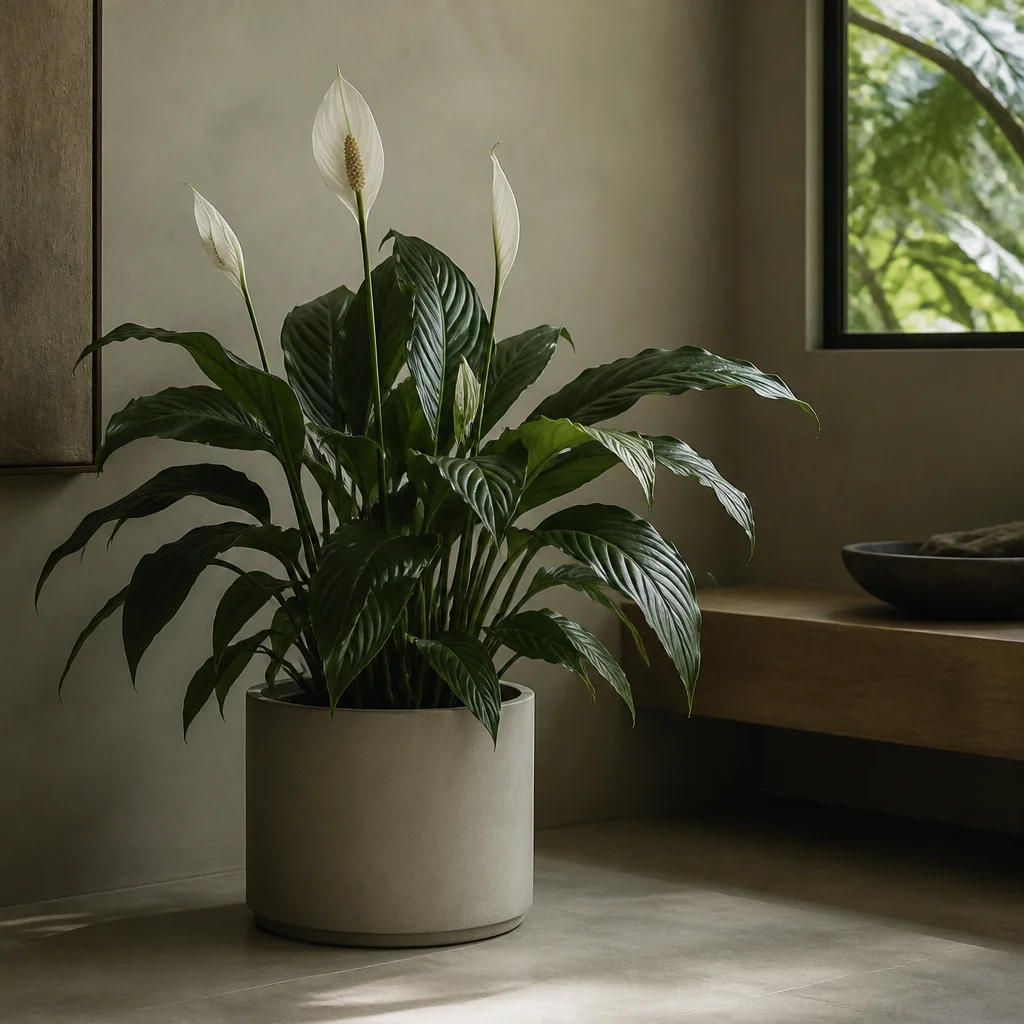
Peace lilies offer graceful leaves that suit calm, shaded interiors
Peace lilies are valued for white blooms, but their real strength is the elegant clump of arching dark leaves they maintain for months on end. The foliage has enough size and drape to soften straight lines in bookcases, entry consoles, and bedroom corners, making the plant decorative even when no flower is present. Because the leaves emerge densely from the base, the overall form stays full and cohesive instead of bare-stemmed. Choose peace lilies when you need a flowering plant for moderate light and a more tranquil visual mood. Their deep green leaves pair well with neutral interiors, especially when planted in simple cylindrical pots that emphasize the fountain-like shape. Trim yellowing leaves at the base rather than shortening them halfway, and keep the soil evenly moist but not soggy so the plant preserves its fresh, slightly glossy look between flowering rounds.
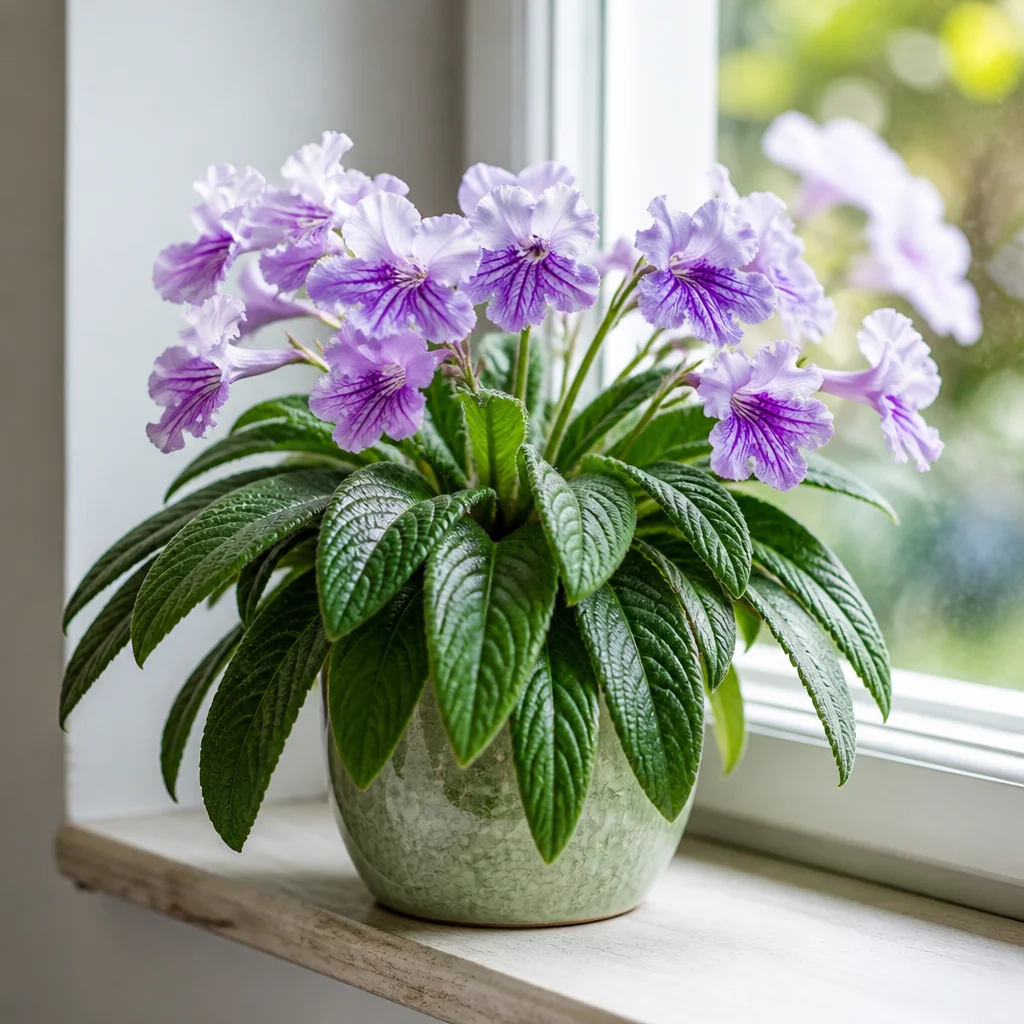
Streptocarpus combines long bloom periods with elegant textured foliage
Streptocarpus, often called cape primrose, deserves more attention from indoor gardeners who want repeat flowers without sacrificing leaf appeal. Its foliage forms a soft mound of slightly pleated, elongated leaves that gives the plant movement and texture long before buds appear. When flowers are absent, the leaves still read as refined rather than coarse, which makes this plant especially useful in smaller rooms where every pot needs to look intentional. Because streptocarpus has a relaxed but not messy habit, it works well on floating shelves, narrow windowsills, or bedside tables where bulkier plants may feel heavy. Give it bright indirect light and good airflow, and remove any tired outer leaves to keep the center looking fresh. A slim pedestal pot can elevate the foliage shape, helping the leaf mound feel more like a composed display piece than a temporary flowering plant.
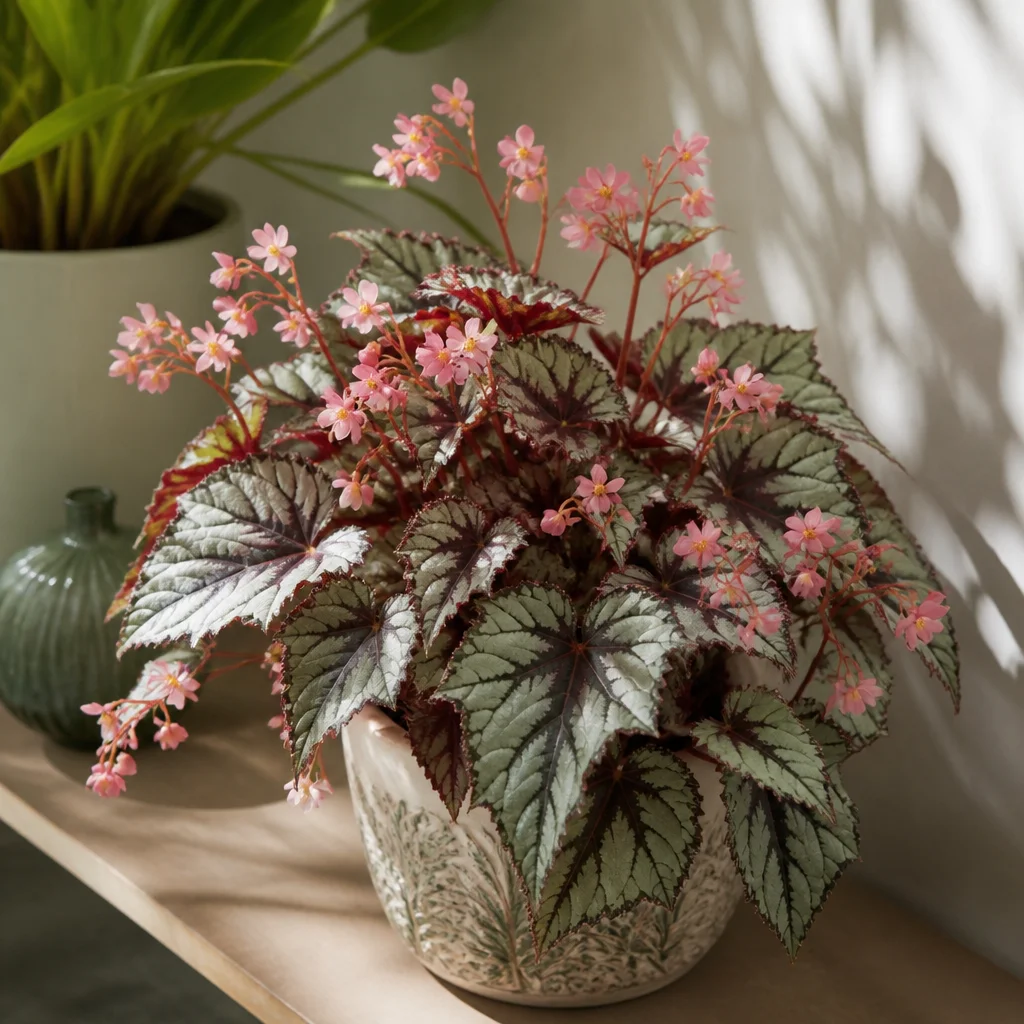
Begonias with blooms and patterned leaves give double the interest
Flowering begonias can be exceptionally useful when you choose types with foliage worth admiring on its own. Many offer asymmetrical leaves, rich veining, bronzy undertones, or a subtle satin finish that carries the display between bloom cycles. Even when flowers pause, the leaf shapes keep the plant lively, and the layered growth adds dimension to tabletops and plant groupings. To style them well, play up leaf detail by placing begonias where side light catches the texture rather than blasting them with harsh midday sun. Pair them with simpler green plants so their patterned foliage becomes the focus without making the arrangement feel busy. Regular pinching or light grooming helps maintain a dense, rounded habit, which is especially important indoors where legginess can spoil the balance that makes these plants so decorative.
Hoyas reward patience with waxy blooms and sculptural vines
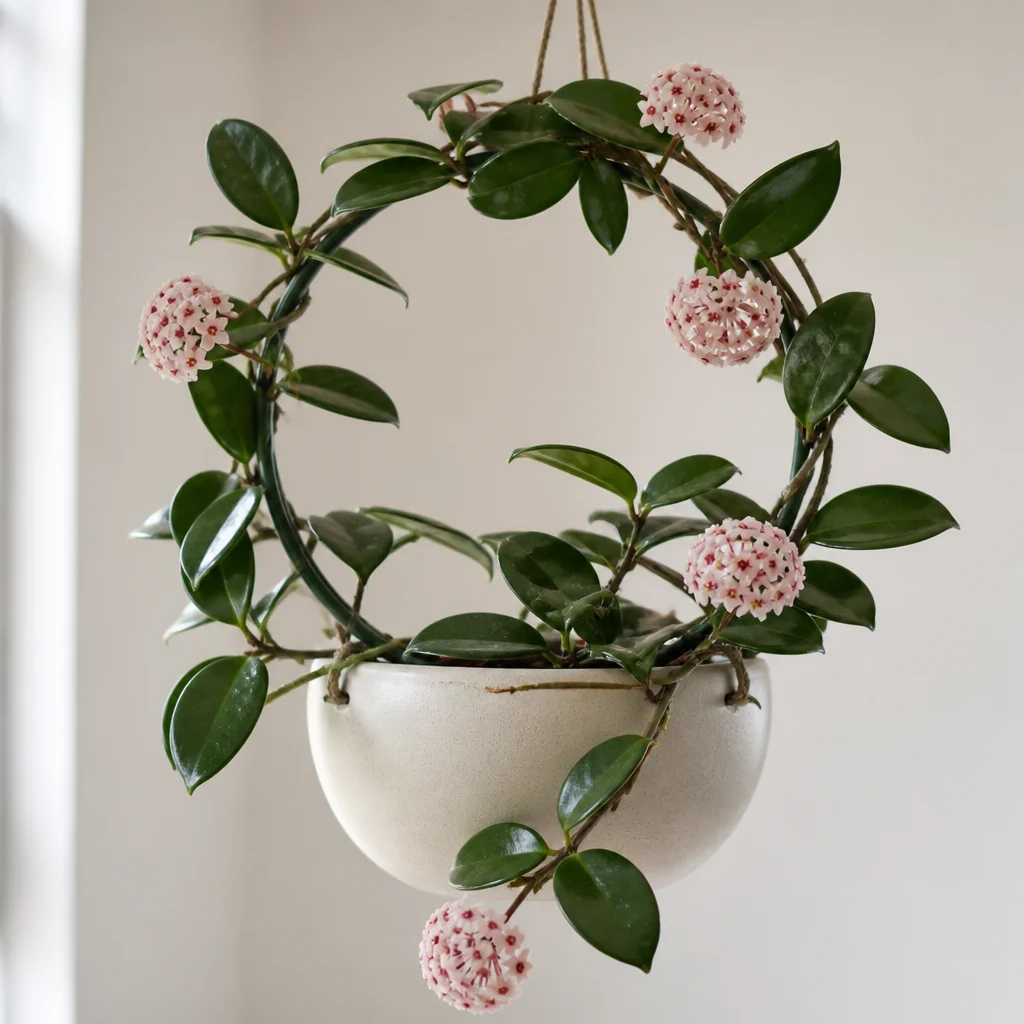
Hoyas are often grown for their fragrant starry flower clusters, but many gardeners keep them for the foliage alone. Thick leaves, trailing or twining stems, and in some varieties silver flecking or deep green quilting make them visually appealing every day of the year. Their form feels sculptural rather than unruly, especially when trained around a hoop or allowed to spill in a controlled way from a hanging pot. For interiors, decide early whether you want a climbing or cascading presentation, then support the plant accordingly so it develops a clean silhouette. Bright indirect light helps preserve compact growth and encourages future flowering, while restraint with watering keeps the leaves firm and attractive. Because hoyas bloom from persistent spurs, avoid cutting those off after flowers fade; keeping them intact supports repeat interest without sacrificing the neat, mature look of the plant.
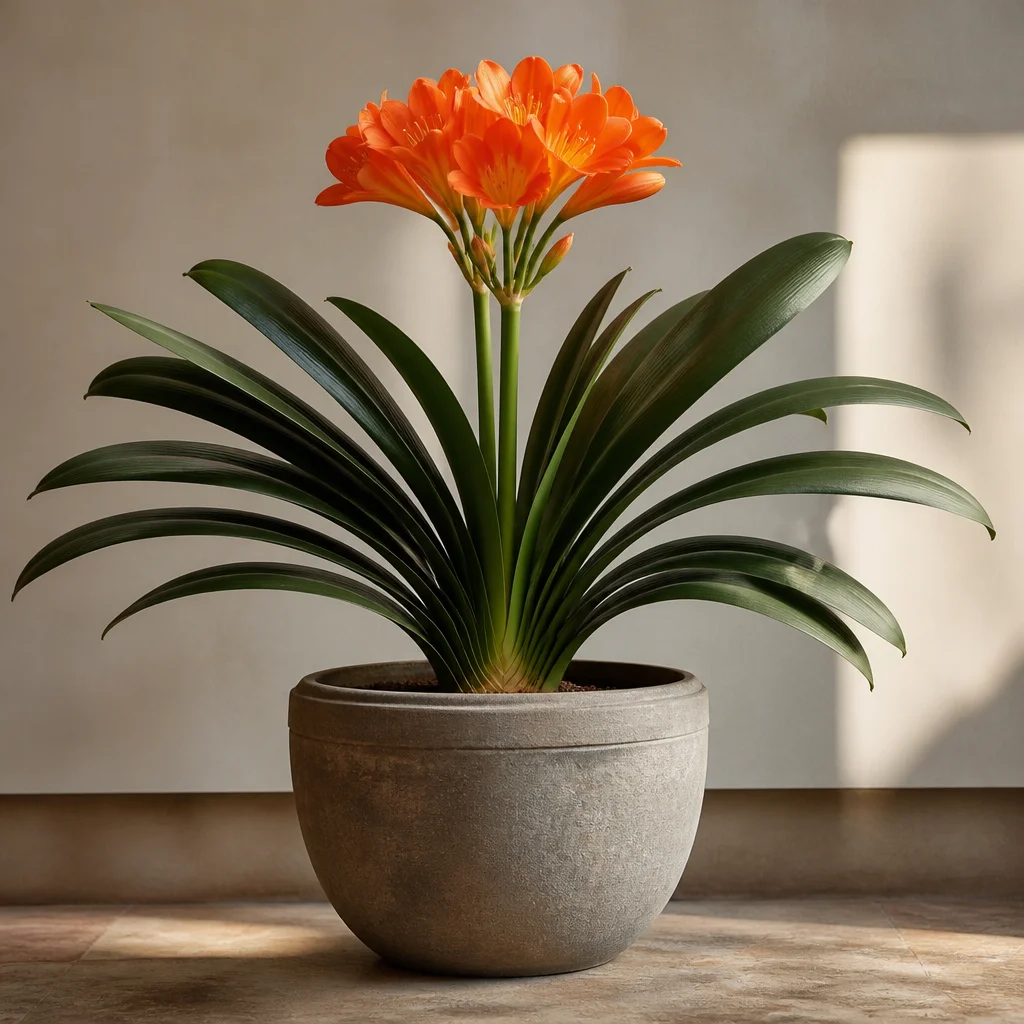
Clivia makes a strong statement with strap leaves even out of bloom
Clivia offers a different kind of beauty from more delicate bloomers. Its broad, strap-like leaves fan outward in a structured arrangement that looks bold, orderly, and almost architectural. When the orange or yellow flower clusters are not present, the foliage still creates a strong indoor statement, especially in simple rooms where one substantial plant can do more than several smaller ones. This is a particularly good choice for low-clutter styling. Set clivia in a heavy, understated pot that matches its grounded appearance, and give it room so the leaf fans can be appreciated in profile. Since the leaves can collect dust, occasional cleaning keeps the plant crisp-looking. Clivia also prefers being somewhat root snug, which helps maintain a tidy container presence rather than pushing soft, oversized growth.
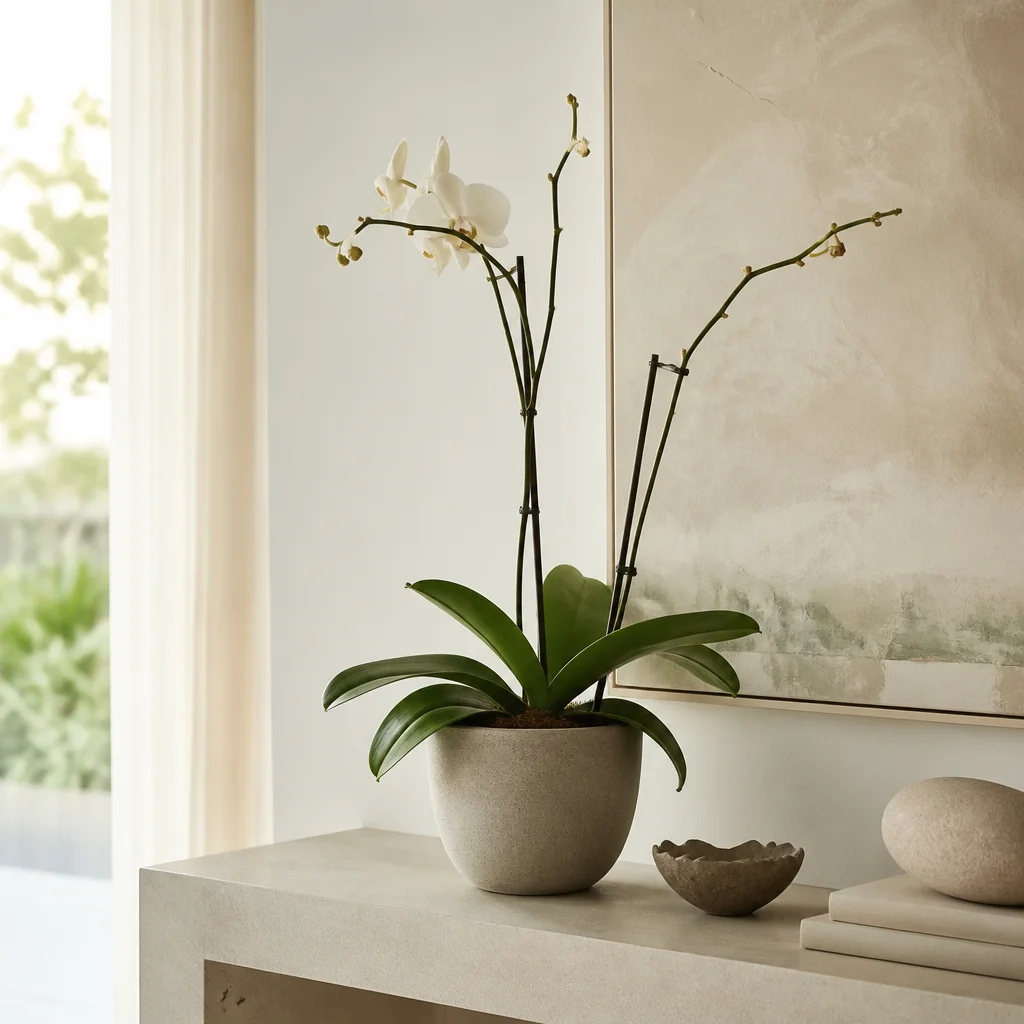
Orchids can stay elegant after flowering when the leaves are part of the display
Many people discard orchids mentally once the flowers are gone, yet a healthy orchid can remain attractive thanks to its fleshy leaves and poised growth. Moth orchids in particular have smooth, broad leaves that create a calm, minimal look between flowering periods. When grown well, the leaf arrangement is balanced and modern, making the plant suitable for dining tables, bathrooms with good light, or uncluttered consoles. To make orchids look decorative year-round, pay attention to containers and staging rather than relying only on flowers. A simple outer pot in stone, ceramic, or muted metal can turn exposed nursery plastic into a more finished composition. Keep the leaves clean, stake or remove old spikes neatly, and avoid crowding the plant with too many accessories. The result is a restrained display that still looks intentional while you wait for the next bloom cycle.
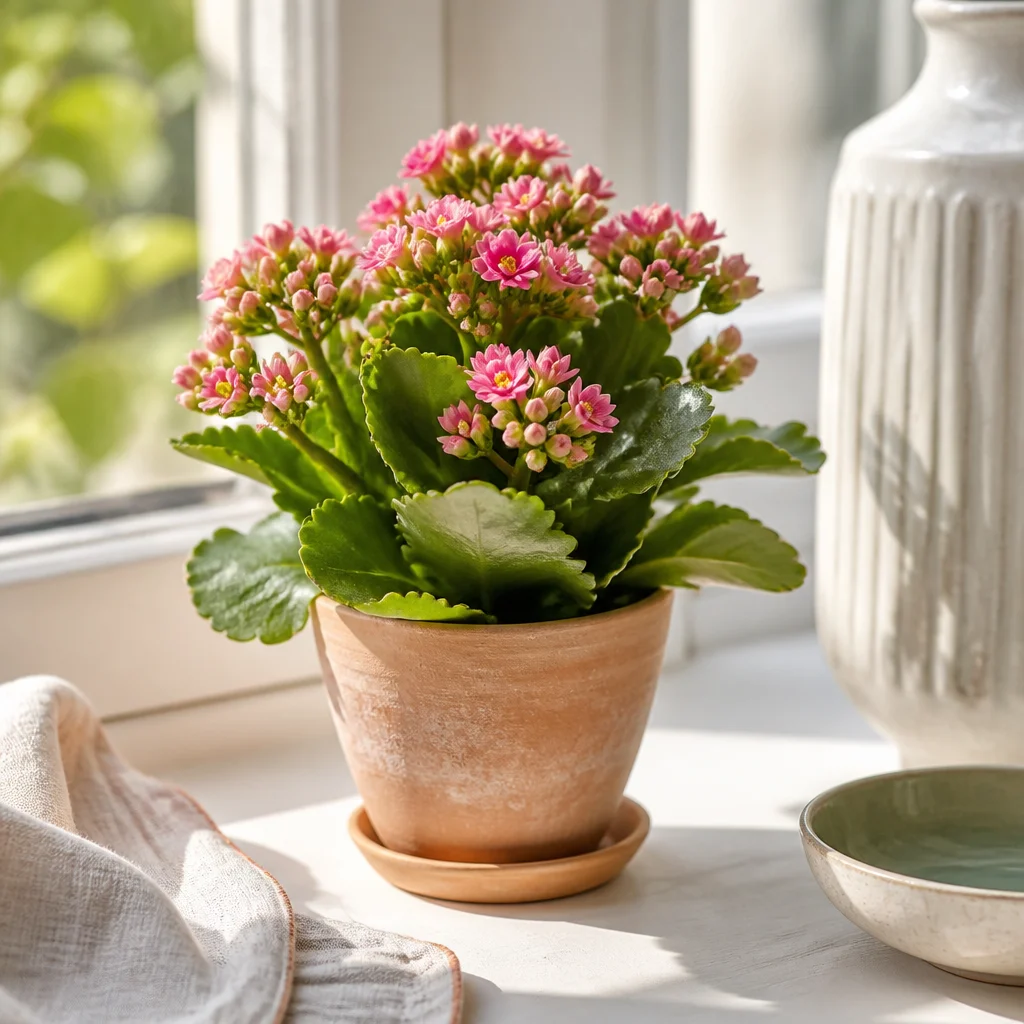
Kalanchoes stay cheerful with compact growth and succulent foliage
Kalanchoes are best known for bright clusters of flowers, but their scalloped, fleshy leaves are a major reason they remain useful indoors after blooming. The succulent foliage keeps a plump, fresh look for a long time, and the compact habit fits easily into windowsills, breakfast nooks, or small apartment spaces. Even without flowers, the leaf edges and dense mound shape add a neat, cheerful rhythm to a room. Use kalanchoes where you want a crisp, low-maintenance accent with a bit more presence than a plain succulent. Terracotta and pale ceramic both flatter the leaves, especially in sunny spots where the plant can stay tight and sturdy. Deadhead old flower clusters down to the foliage and avoid excessive watering, which can make growth soft. Kept bright and compact, a kalanchoe continues to read as lively decor rather than a plant past its moment.
Design your collection for staggered bloom and steady foliage appeal
The smartest way to enjoy flowering houseplants year-round is to build a collection where different plants peak at different times while all of them contribute attractive foliage in between. Instead of relying on one dramatic bloomer, combine contrasting forms: a glossy upright anthurium, a soft rosette of African violets, a trailing hoya, and a bold clivia. This creates visual continuity across the seasons, since there is always some mix of shine, texture, pattern, or structure on display. Think of flowering houseplants as permanent design elements first and seasonal bonus performers second. Choose pots in a limited palette so varied leaf shapes feel cohesive, and place each plant where its foliage habit makes sense rather than where you only imagine its flowers. With that approach, your indoor garden remains beautiful every week of the year, and every bloom cycle feels like an added reward rather than the sole reason the plant is there.
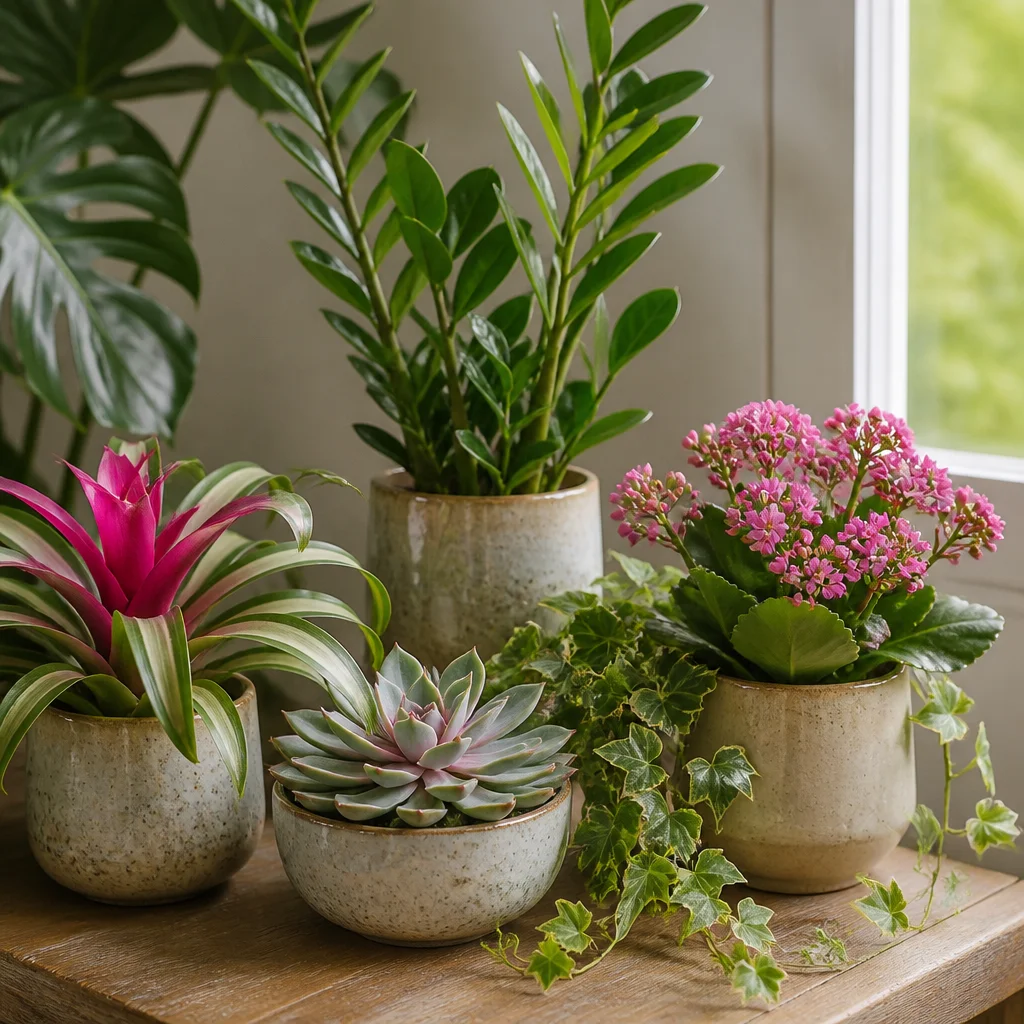
Images are AI-generated inspiration concepts.
Explore the categories ↗How did this story make you feel?
Choose one reaction. You can change it later.