Beginner-Friendly Plants8 min read
How to Start an Indoor Plant Collection with Beginner-Friendly Greens
Starting an indoor plant collection does not need to begin with a jungle of demanding species or a windowsill full of trial and error. The easiest way to build confidence is to choose a small group of dependable green plants, learn their basic patterns, and arrange them in a way that feels enjoyable to maintain. A simple collection can make a room feel calmer, fresher, and more personal while teaching you how light, watering, and placement work in your own home. For most beginners, success comes from restraint rather than variety. A manageable mix of forgiving plants helps you notice what each one needs without feeling overwhelmed. With a few reliable choices, a small care routine, and some thoughtful styling, you can create a collection that looks intentional and grows with your experience.

Begin with a small collection you can actually learn from
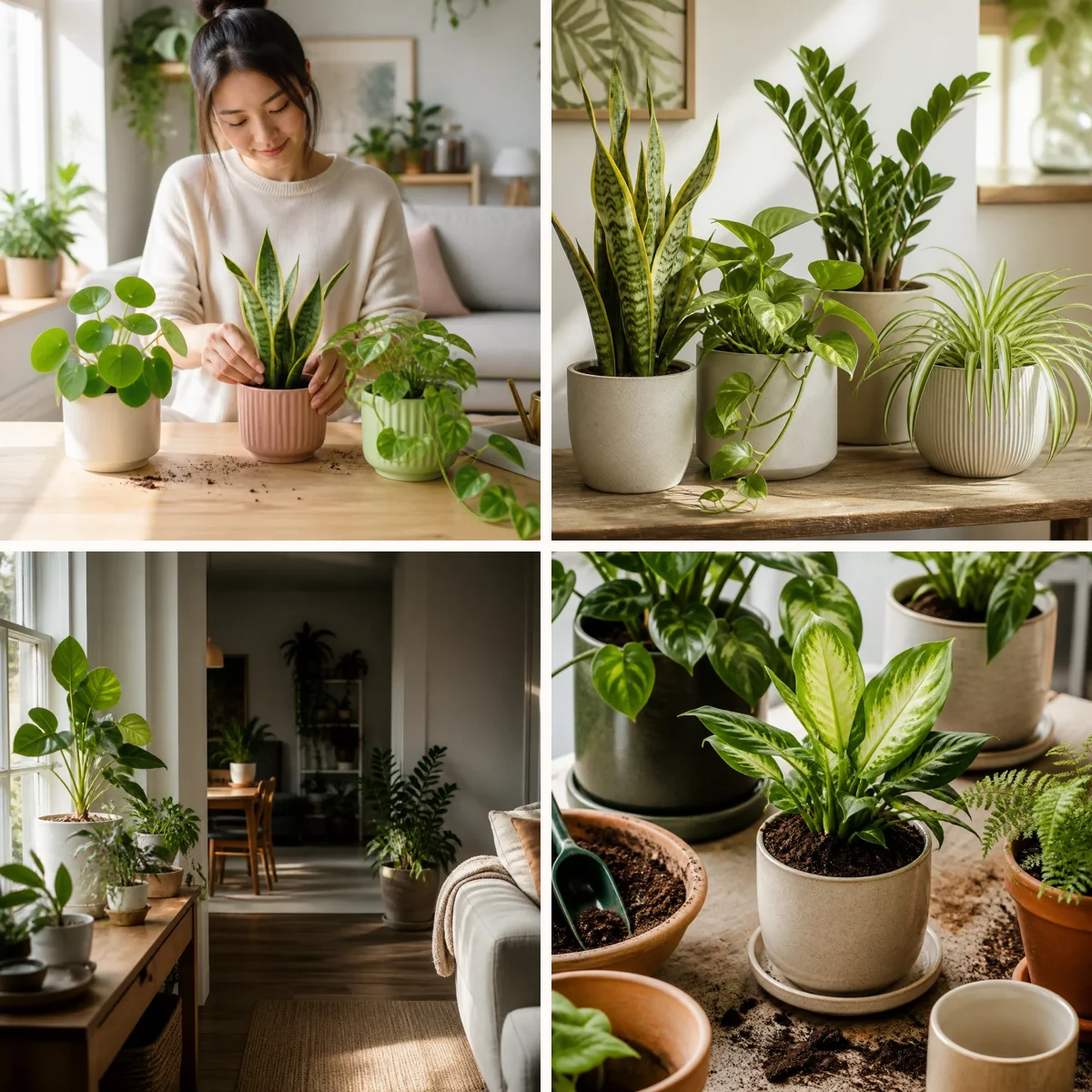
A strong first collection usually contains three to five plants, not fifteen. That number is enough to create visual interest and teach you different care rhythms, but still small enough to monitor closely. When every plant is new, even simple tasks like checking soil moisture, noticing leaf color, and understanding how quickly pots dry out can feel unfamiliar. A compact collection gives you space to learn those signals before expanding. Think of your first plants as a practice set rather than a final display. Choose one upright plant, one trailing plant, and one compact tabletop plant to create variety without complexity. This mix helps you experiment with placement and styling while keeping care relatively straightforward. Once these plants settle in and you feel confident reading their needs, adding more becomes much easier and far more rewarding.
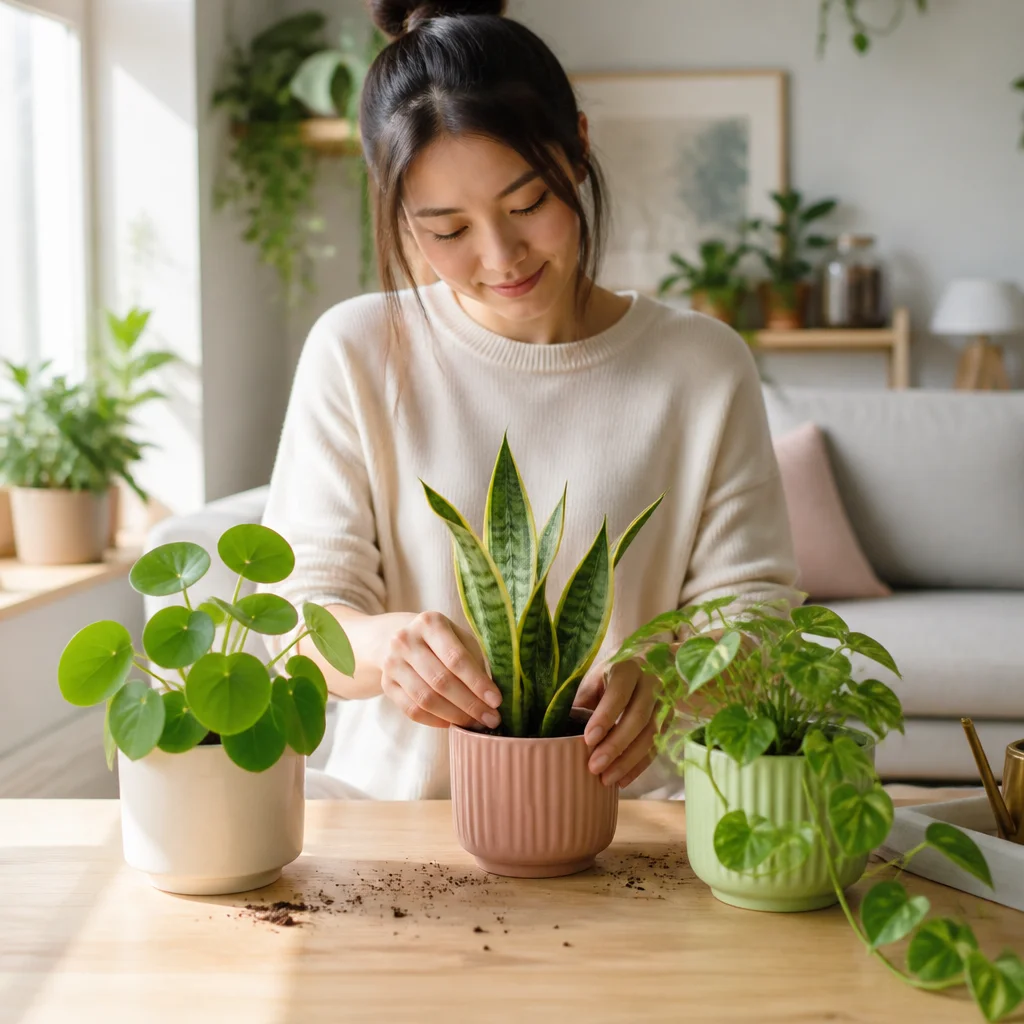
Choose reliable greens that forgive small mistakes
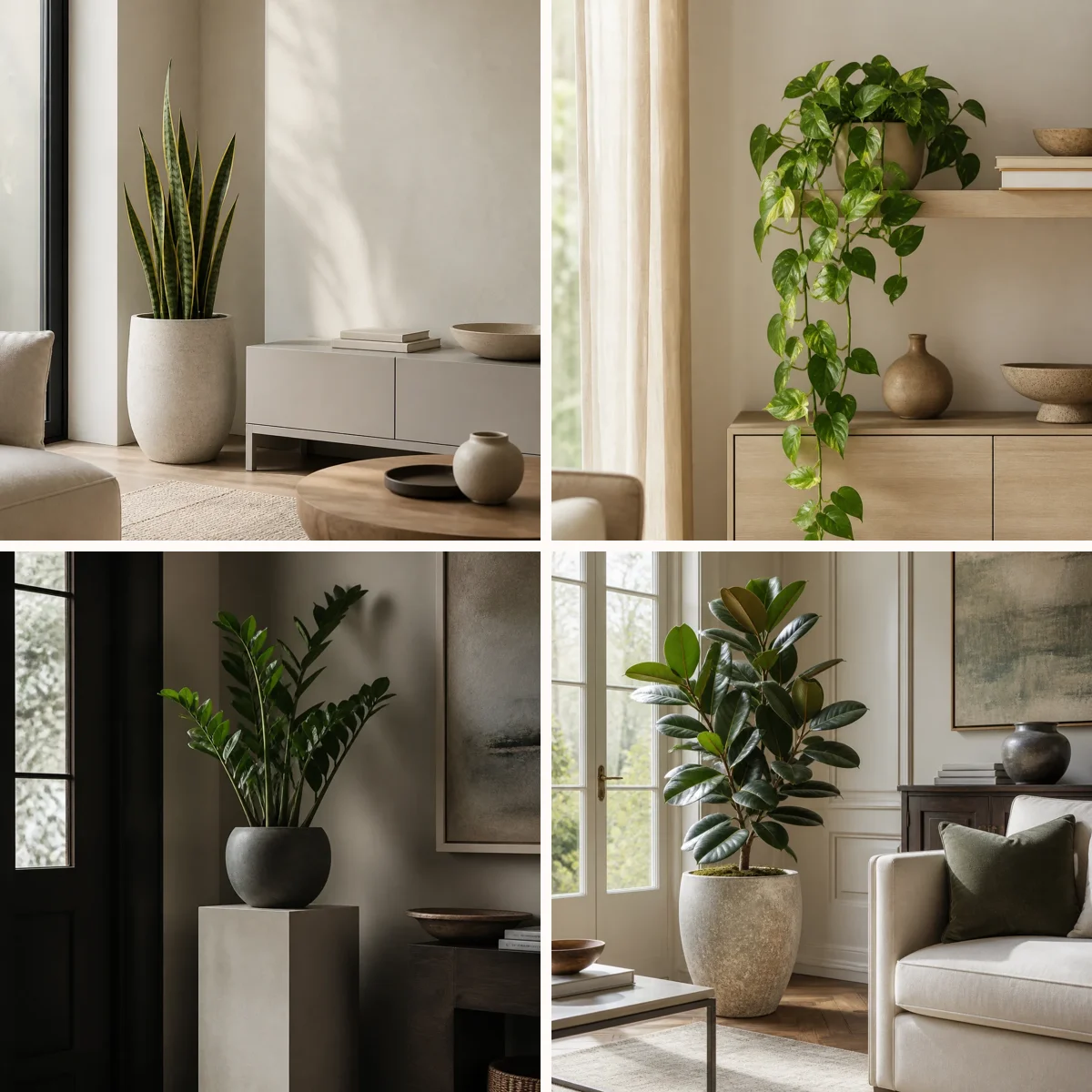
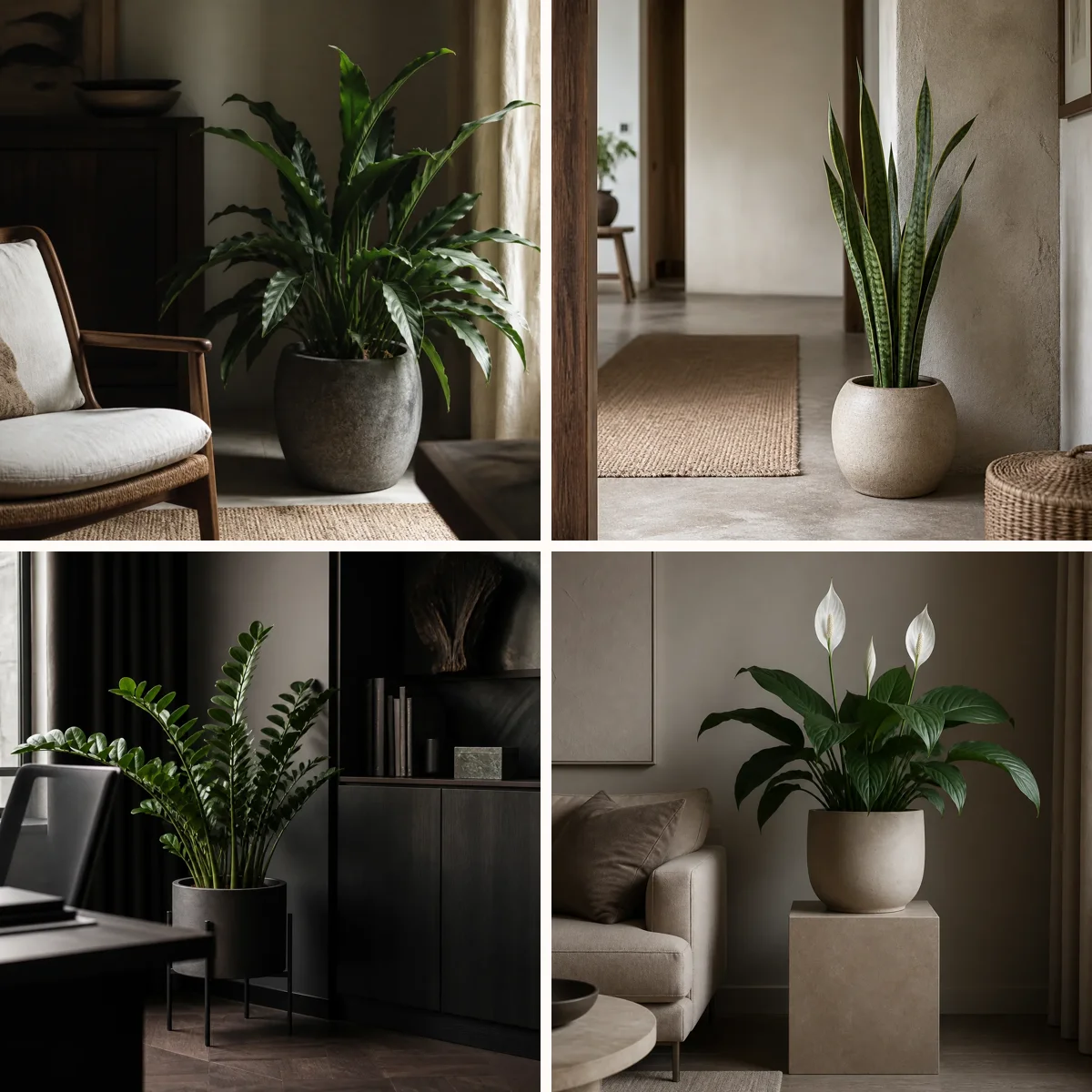
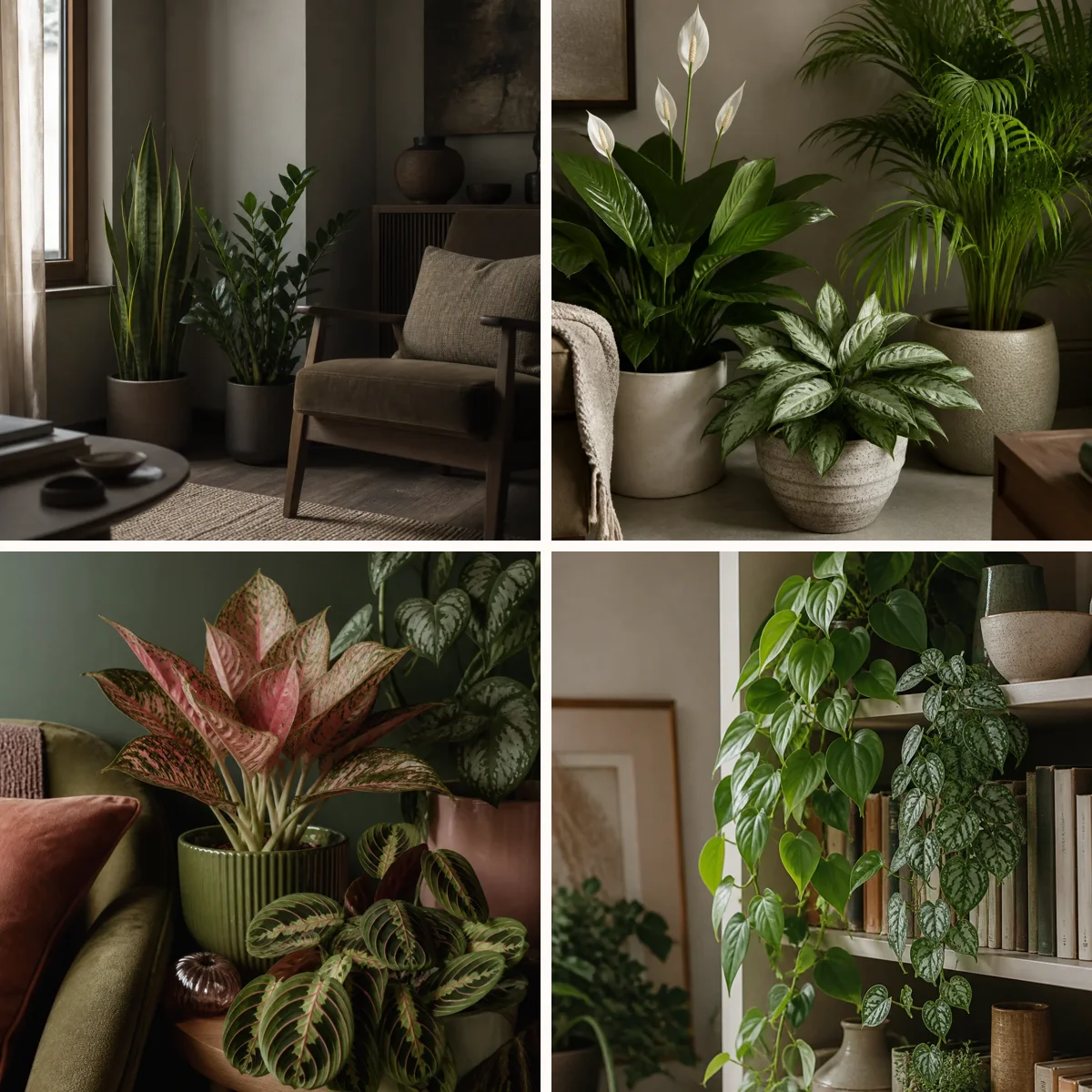
The best beginner-friendly collection starts with plants that tolerate occasional inconsistency. Snake plant, pothos, ZZ plant, spider plant, heartleaf philodendron, and cast iron plant are all popular because they handle normal indoor conditions without demanding perfect timing. They also recover better than fussier species if you water a little late, move them to a better spot, or need time to figure out your routine. It also helps to select plants with visibly different habits. A snake plant gives you vertical structure, pothos or heartleaf philodendron adds soft trailing growth, and a spider plant offers a lively arching shape. A ZZ plant brings glossy, sculptural stems that look polished with very little effort. By choosing greens with contrasting forms but similar easygoing care, your collection looks layered and interesting without becoming difficult to manage.
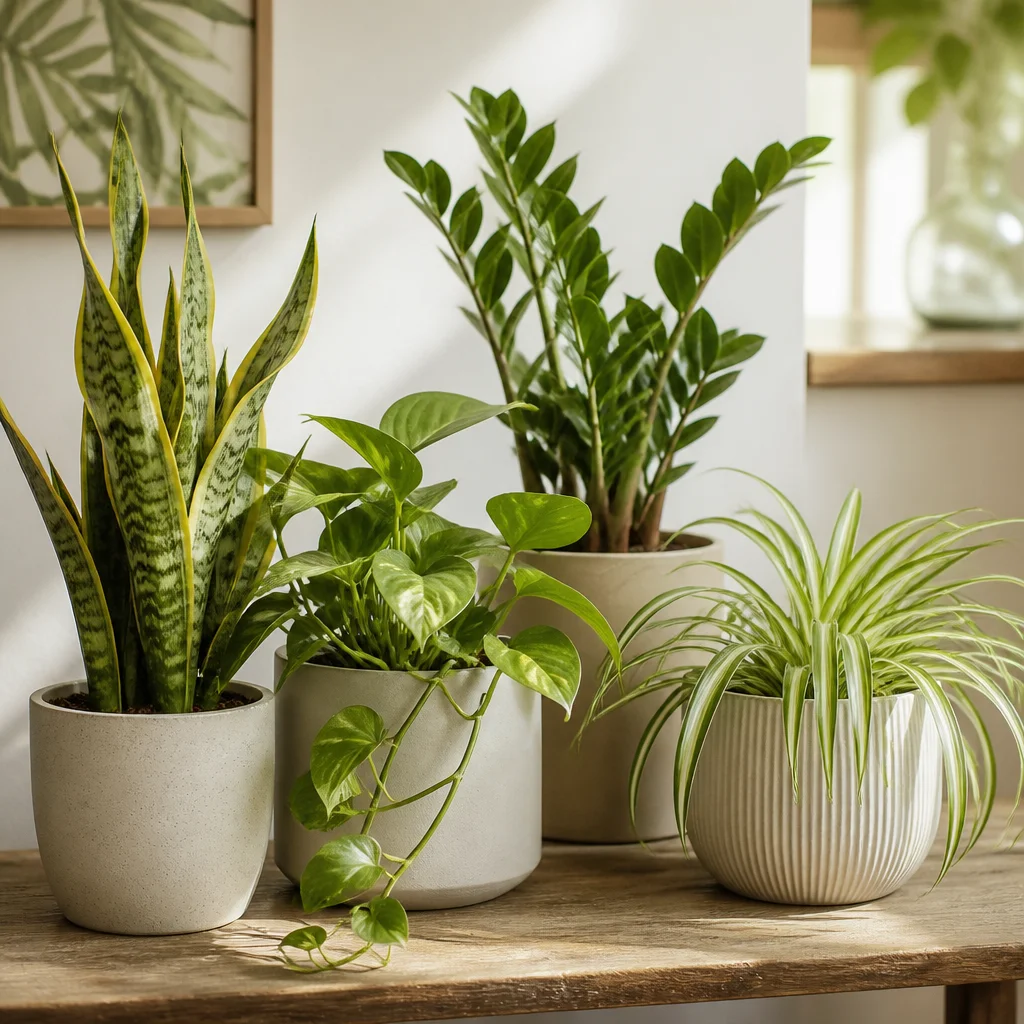
Match plants to your light before you buy anything
Light matters more than most beginners expect, and understanding your home first will save you frustration later. Spend a few days noticing where sunlight falls in the morning and afternoon. A bright windowsill with filtered light can support more options, while a room farther from the window may be better for tolerant plants like snake plant or ZZ plant. Even easy plants struggle if they are placed where they cannot get enough light to maintain healthy growth. Instead of trying to force a plant into the wrong corner, let each room guide your choices. Reserve your brightest spots for faster growers like pothos, spider plant, or philodendron, and use lower-light areas for slower, sturdier plants. If a plant starts stretching, leaning, or producing smaller new leaves, that often means it needs more light. Beginning with the right placement is one of the fastest ways to build confidence because it reduces the number of problems you need to solve.
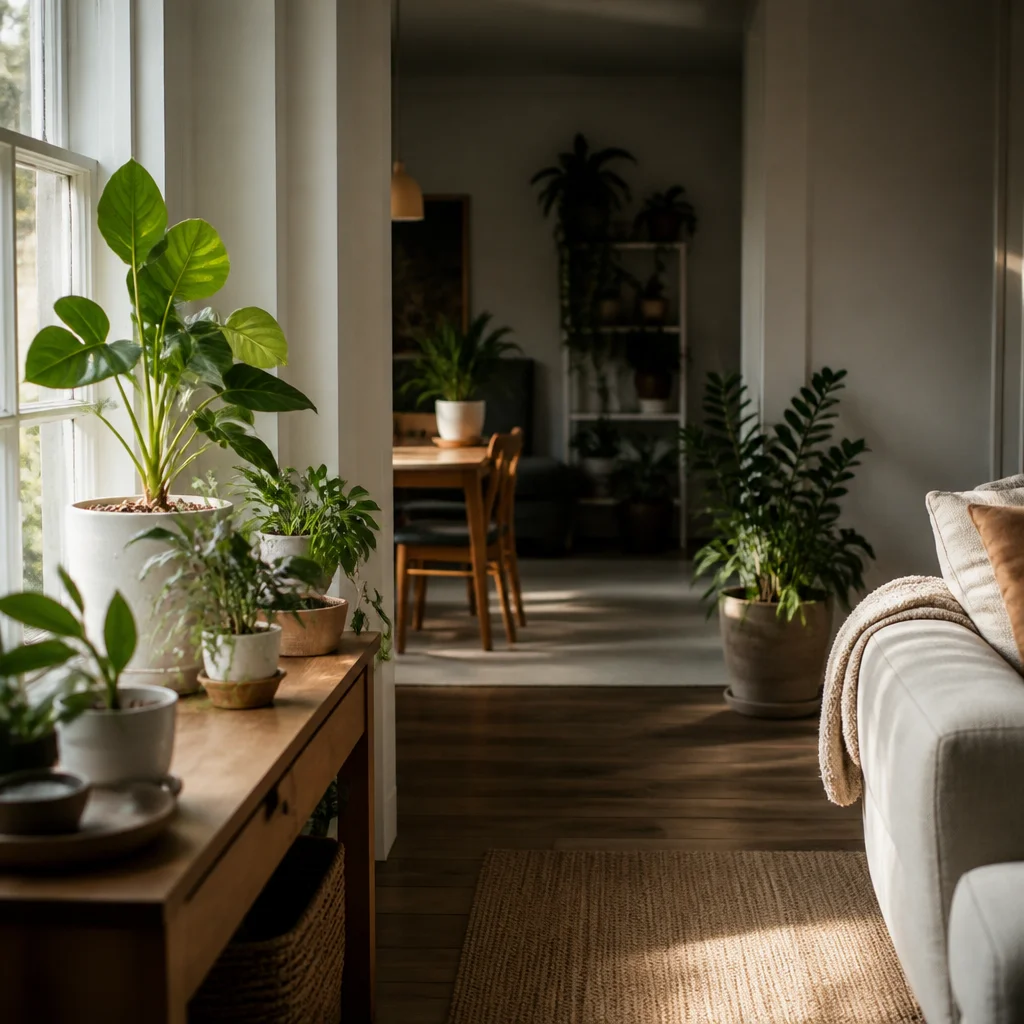
Use pots and soil that make care easier, not fancier
Beginner success often depends on practical potting more than decorative perfection. Start with pots that have drainage holes so extra water can escape, and place those nursery pots inside cachepots or on saucers if you want a neater look. This approach gives you better control and helps prevent the soggy soil that causes many early plant losses. A plant in the right pot is easier to water correctly and easier to check when something seems off. Choose a loose indoor potting mix rather than heavy garden soil, and avoid potting plants into containers that are much larger than their root balls. Oversized pots stay wet too long, which can stress roots and confuse beginners who are trying to judge watering needs. If you want your collection to look cohesive, unify it with a limited palette of containers such as warm terracotta tones, soft neutrals, or simple ceramics. Consistent pots can make even a small assortment feel curated.
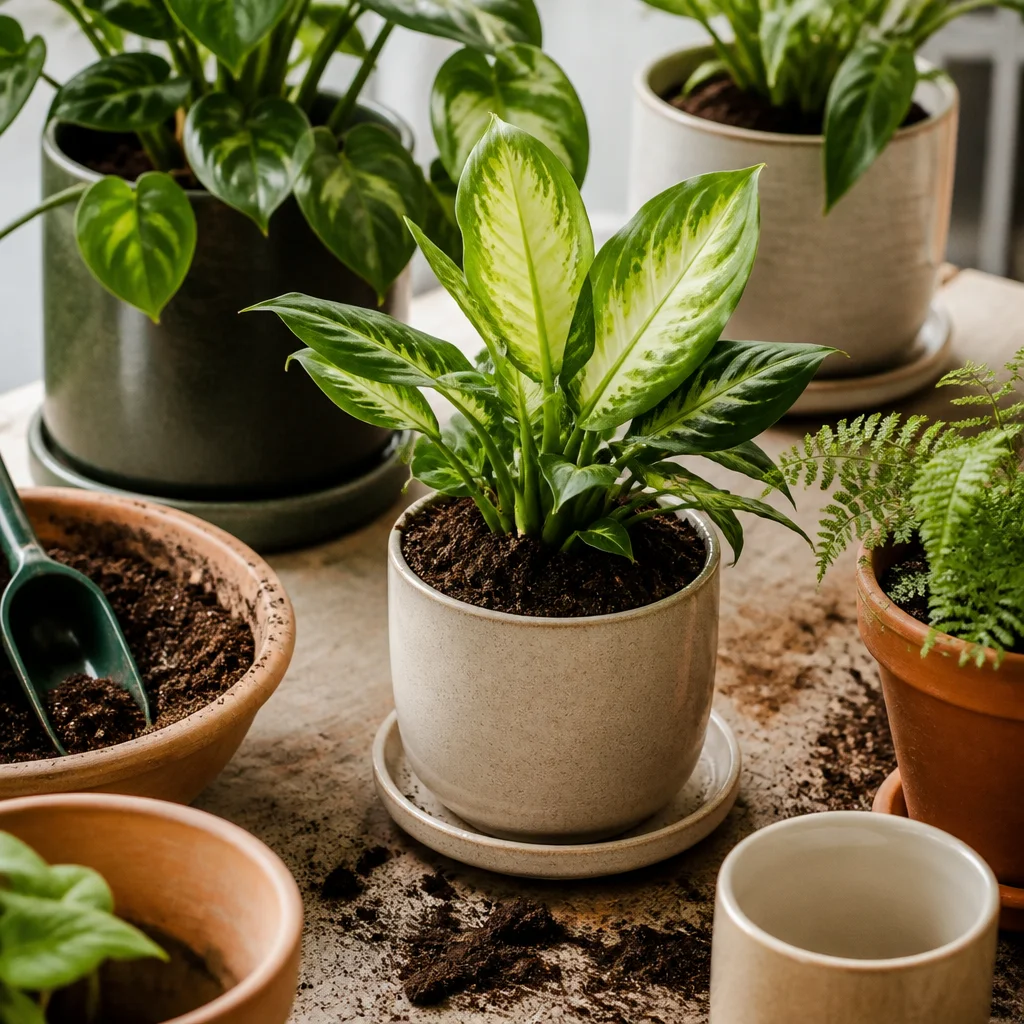
Build a simple watering routine around observation
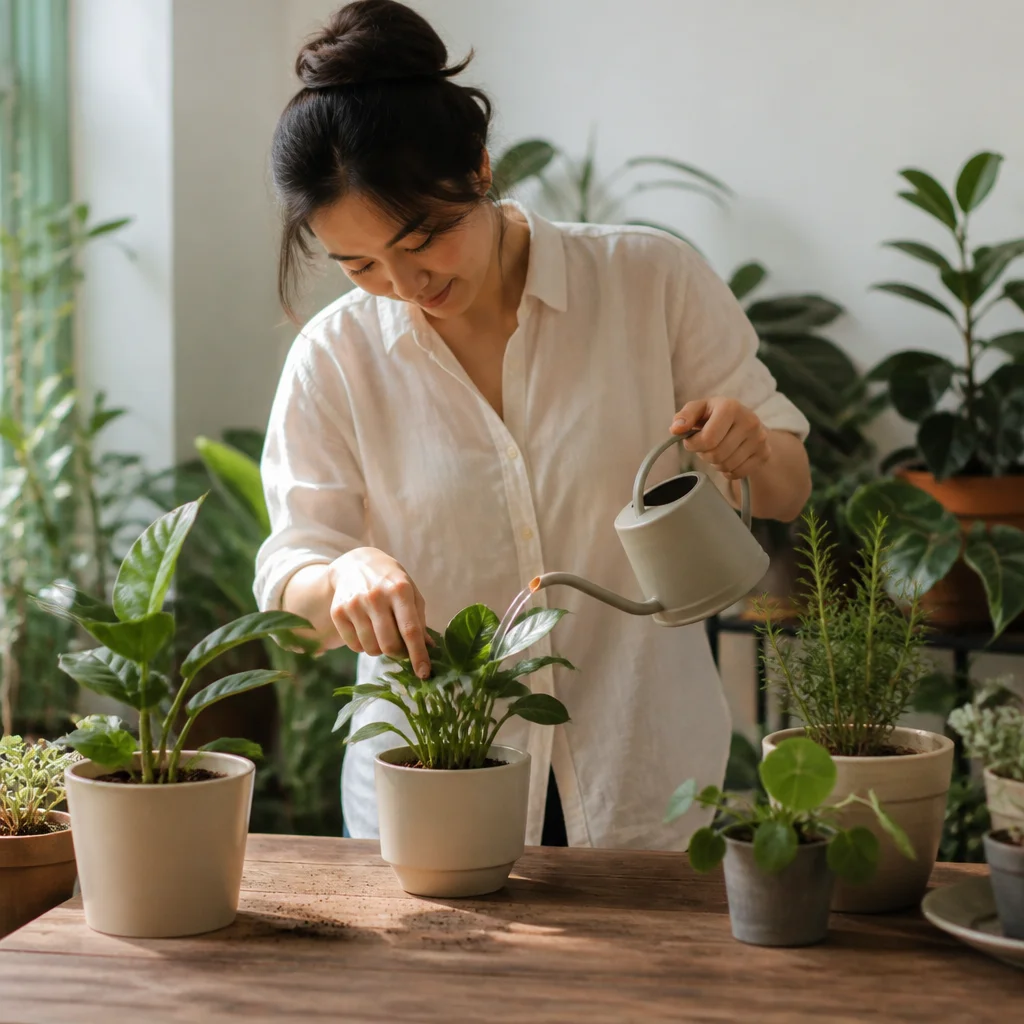
The easiest watering routine is not based on a strict calendar but on checking the plant itself. Before watering, feel the top layer of soil with your finger and notice the weight of the pot when it is dry versus freshly watered. Some plants, such as pothos and philodendron, like to dry slightly between waterings, while snake plants and ZZ plants prefer to dry more thoroughly. Learning these patterns is far more useful than watering every plant on the same day. Create a weekly plant check instead of a weekly watering session. During that check, look for drooping, yellowing, dry leaf edges, compacted soil, or leaves turning toward the light. Water only the plants that need it, and water thoroughly enough that moisture reaches the roots rather than only dampening the surface. This slower, observational approach turns care into a calm habit and helps you catch small issues before they become discouraging.
Style with height, shape, and breathing room
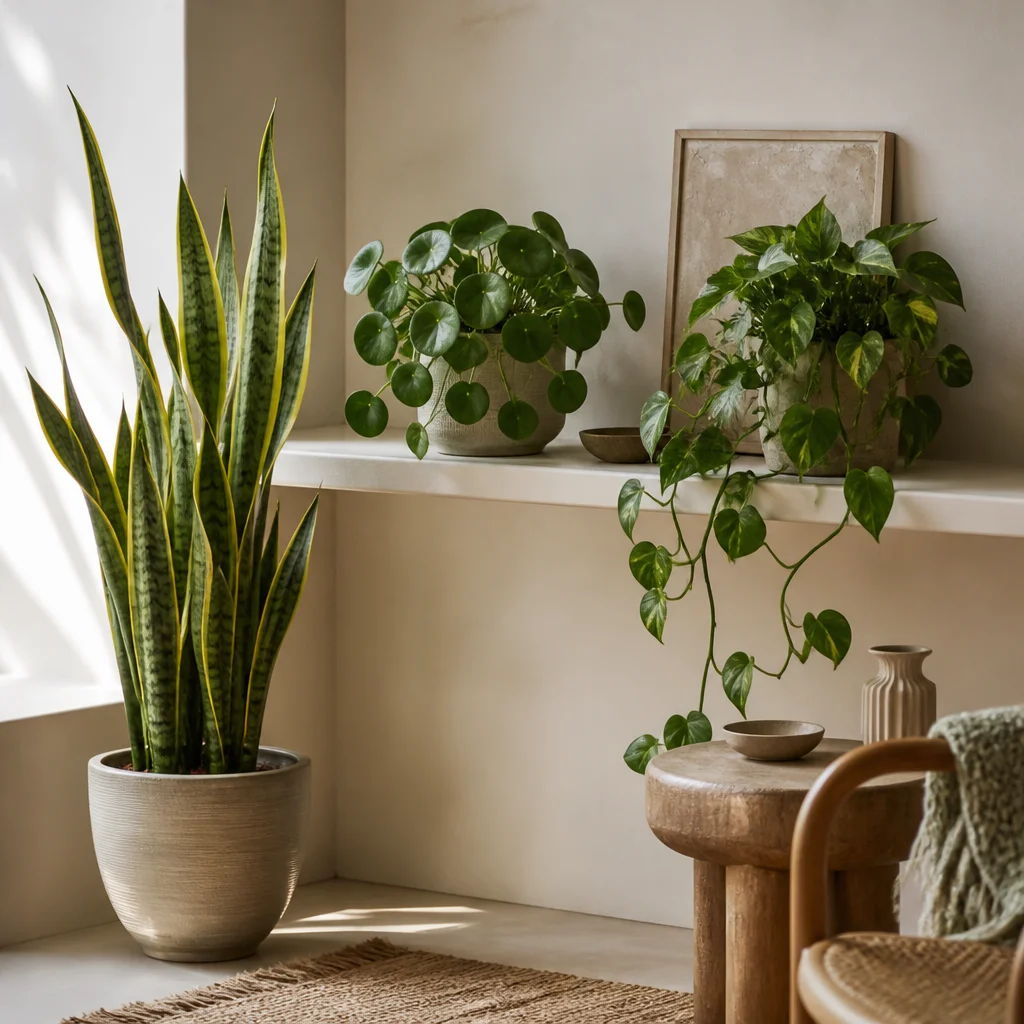
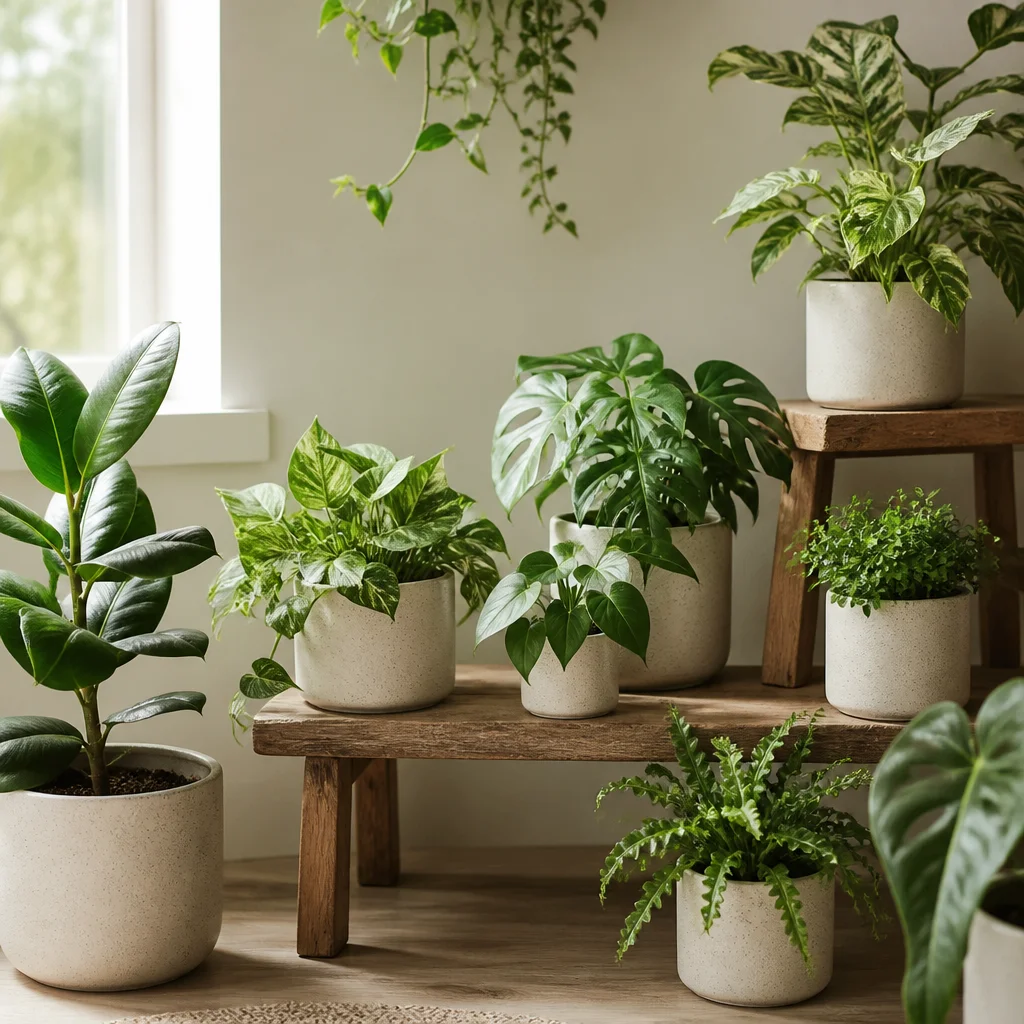
A pleasing indoor plant collection usually looks best when each plant has enough space to show its form. Rather than lining every pot in a straight row, vary height and silhouette. Place a taller plant like a snake plant slightly behind a rounded or arching one, and let a trailing pothos soften the edge of a shelf or side table. This creates a layered arrangement that feels natural without requiring a large number of plants. Breathing room is part of the design. A crowded cluster can look messy and make it harder to clean leaves, rotate pots, or notice problems early. Give each plant enough visual space that its leaf shape stands out. You can also repeat one material, such as wood, woven baskets, or matte ceramic, to tie the display into the room. Good styling for beginners should still allow easy care, because a beautiful setup is only successful if you can maintain it comfortably.
Place plants where your routine already happens
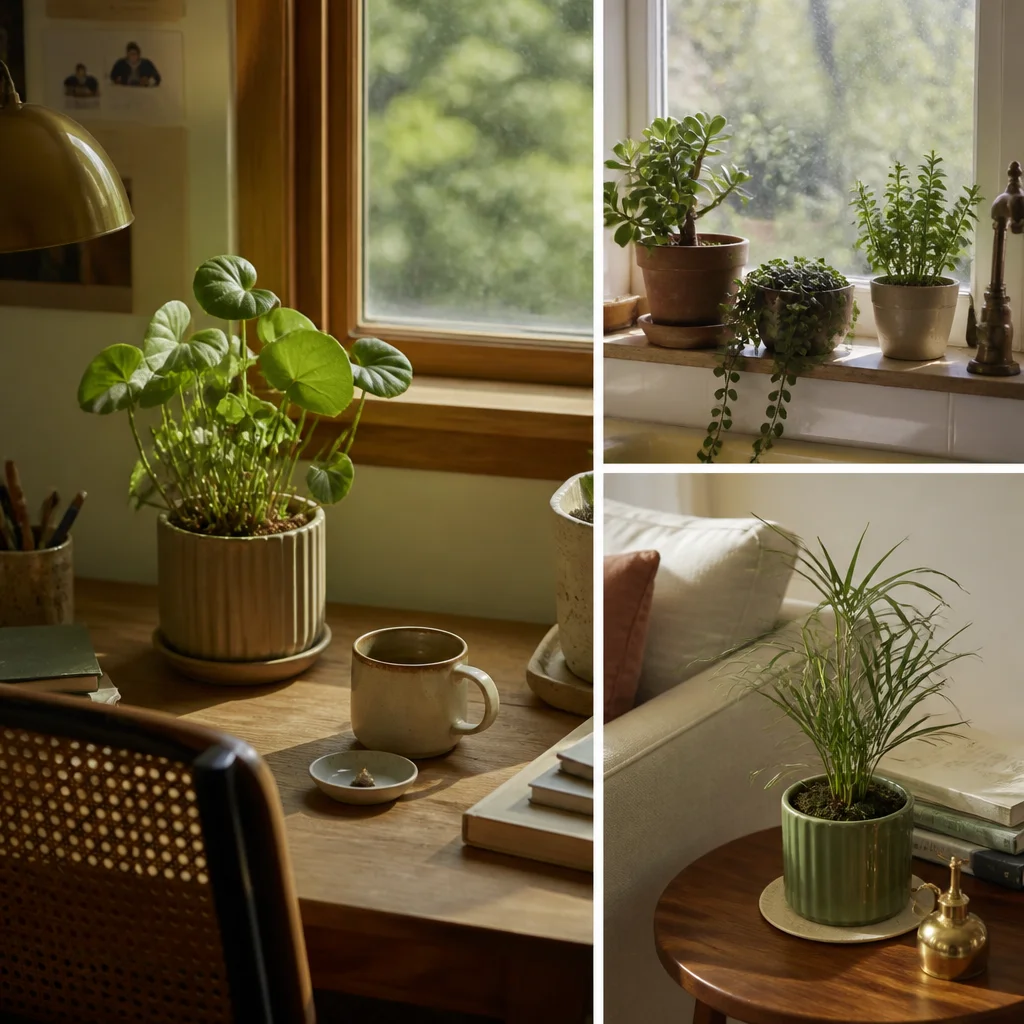
One of the smartest ways to keep plants alive is to put them where you naturally spend time. A pothos near your desk, a spider plant by the kitchen window, or a ZZ plant in the living room where you relax will stay in your awareness far better than a plant tucked into a forgotten corner. Visibility helps you notice when leaves collect dust, growth shifts toward the light, or soil has been dry for too long. This idea also improves styling because plants feel more integrated when they support daily life instead of acting as isolated decorations. A small tabletop plant can warm up a bedside table, and a trailing plant can soften a bookshelf without overwhelming it. If a location is inconvenient to water or inspect, it usually becomes a weak point in your routine. Choose placements that are both attractive and easy to reach, and your collection will be much simpler to sustain.
Expect small setbacks and treat them as useful feedback
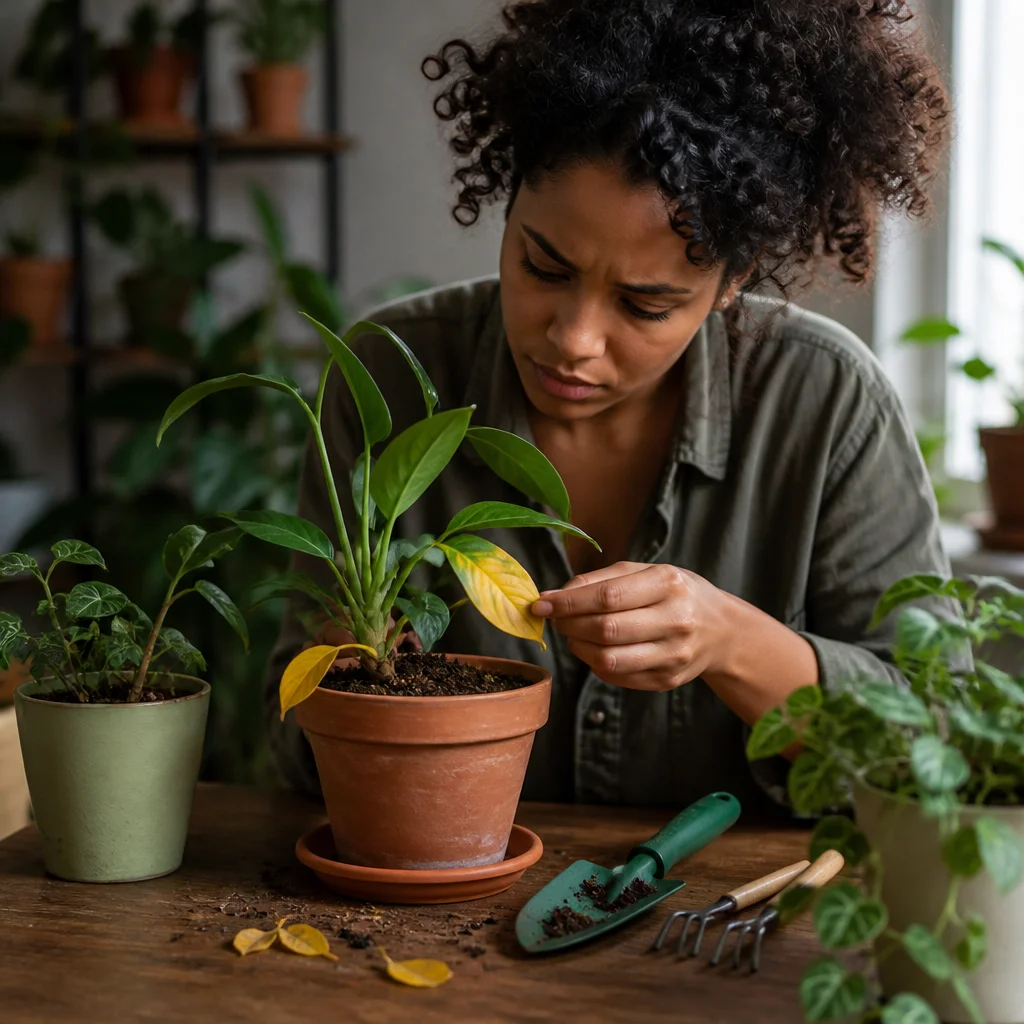
Every new plant keeper makes mistakes, and a few yellow leaves do not mean you are bad at this. Indoor gardening improves quickly when you respond with curiosity instead of panic. If leaves turn soft and yellow, check whether the soil is staying wet too long. If growth becomes pale or stretched, evaluate light levels. If edges brown, look at watering consistency and dry indoor air. Most beginner problems become much easier once you connect the symptom to a recent care pattern. Keep changes gradual rather than dramatic. Move a struggling plant closer to the window instead of straight into harsh sun, and adjust watering after checking the roots and soil rather than reacting to one imperfect leaf. Plants usually need time to settle after relocation, repotting, or seasonal shifts. When you treat each issue as information, you build real plant knowledge and become less likely to give up after a minor setback.
Let your collection grow slowly and with intention
Once your first few greens are doing well, expand by choosing plants that add a new role rather than repeating the same look without purpose. You might add one plant for a bathroom shelf, one for a brighter window, or one with a different leaf size to balance the display. Growing slowly keeps your collection visually coherent and prevents care from becoming a burden. It also helps you spend more thoughtfully on pots, stands, and placement. A well-started indoor plant collection is not defined by how many plants you own, but by how comfortably they fit your home and habits. If your first mix stays healthy, looks balanced, and makes you want to keep learning, then it is already a success. Confidence is the real foundation of a lasting collection, and beginner-friendly greens are one of the best ways to build it.
How did this story make you feel?
Choose one reaction. You can change it later.