Beginner-Friendly Plants8 min read
Beginner-Friendly Plants That Also Look Designer-Approved at Home
A beautiful home does not require rare specimens, a greenhouse routine, or a talent for keeping fussy plants alive. Some of the most stylish indoor plants are also among the most forgiving, which makes them ideal for beginners who want rooms to feel polished rather than purely practical. The secret is choosing dependable varieties with strong shapes, clear leaf patterns, or graceful movement, then placing them in ways that support both the plant and the room. If you think about houseplants the way a designer thinks about lighting or textiles, they become more than accessories. A sculptural plant can sharpen a modern corner, a trailing one can soften shelves in a classic space, and a full leafy variety can make a cozy room feel settled and lived in. The plants below earn their place on both counts: they are approachable to care for and naturally at home in interiors that aim to look intentional.

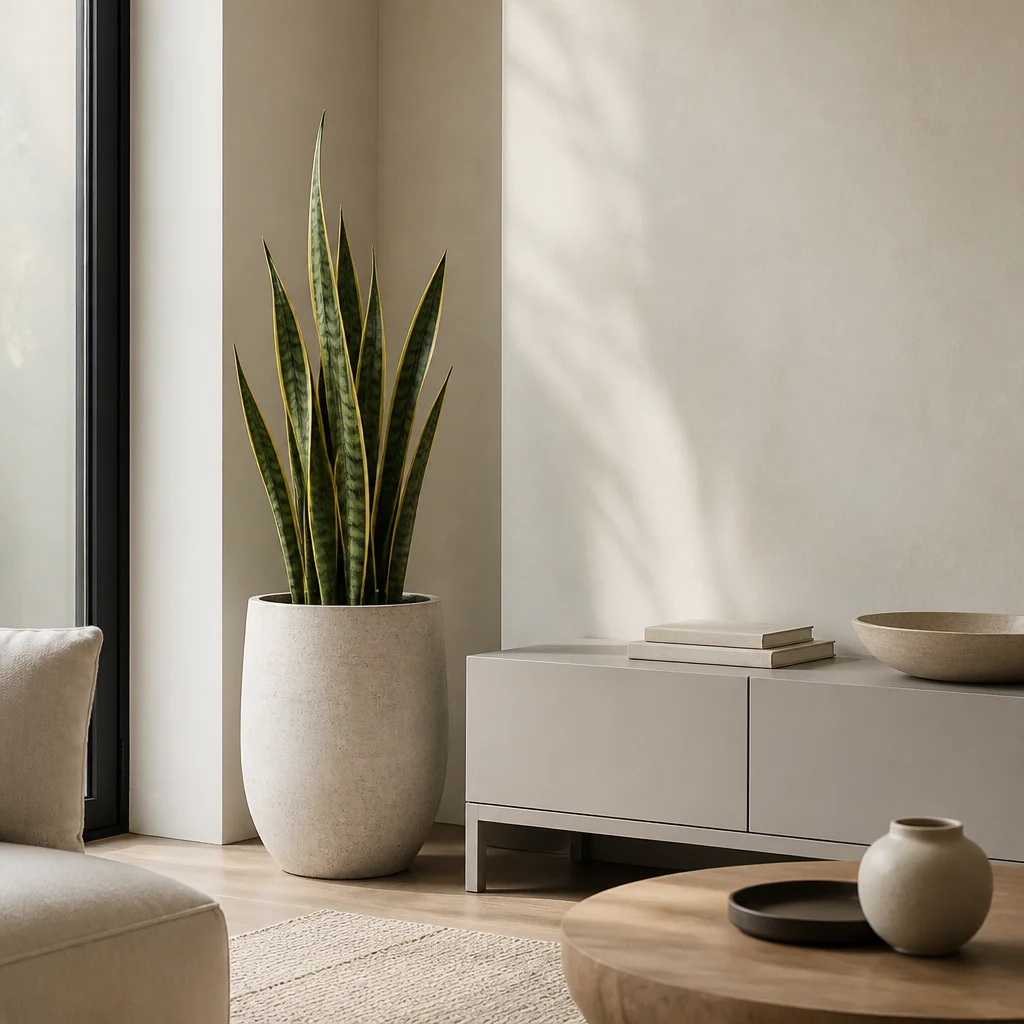
Snake Plant for Clean Lines and Architectural Calm
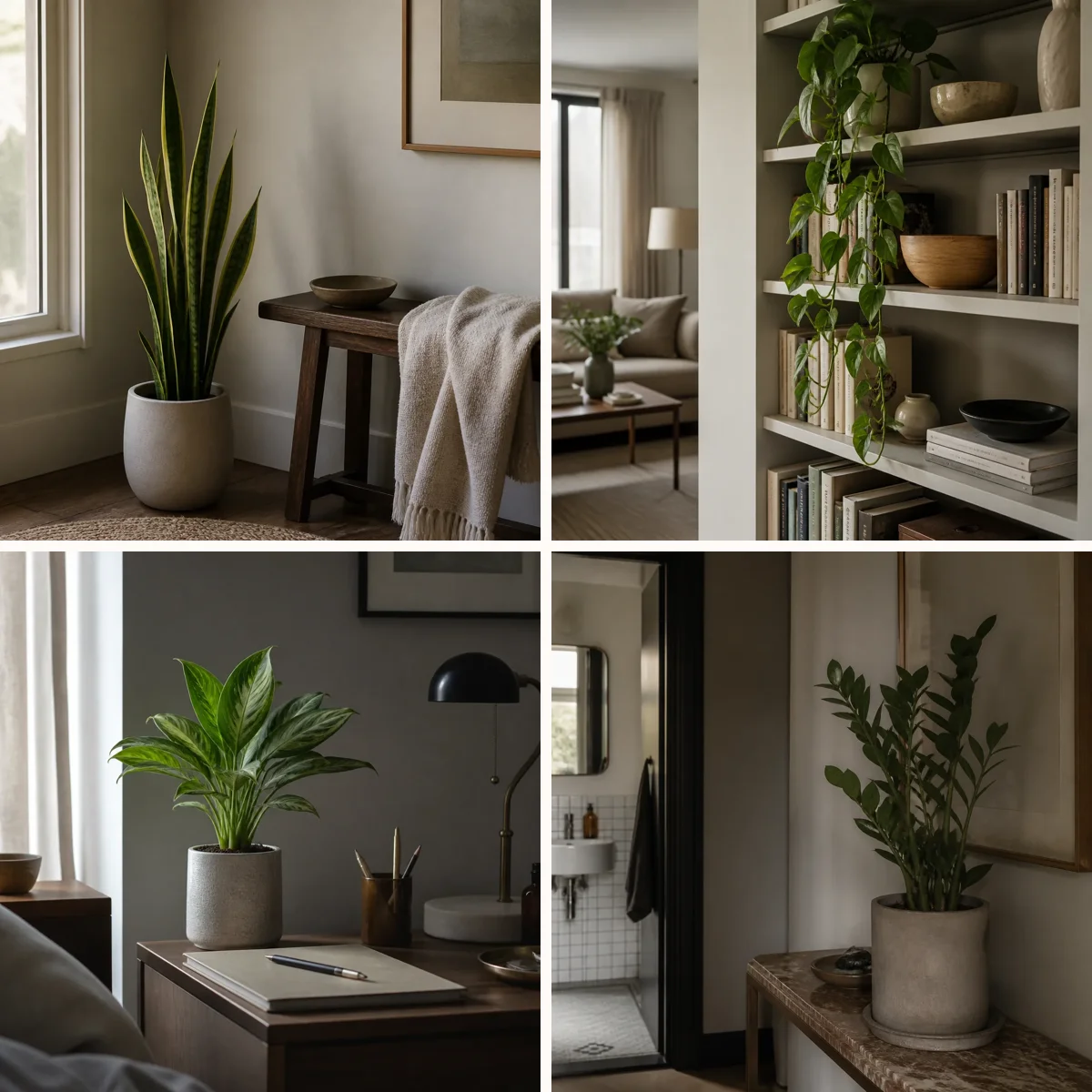
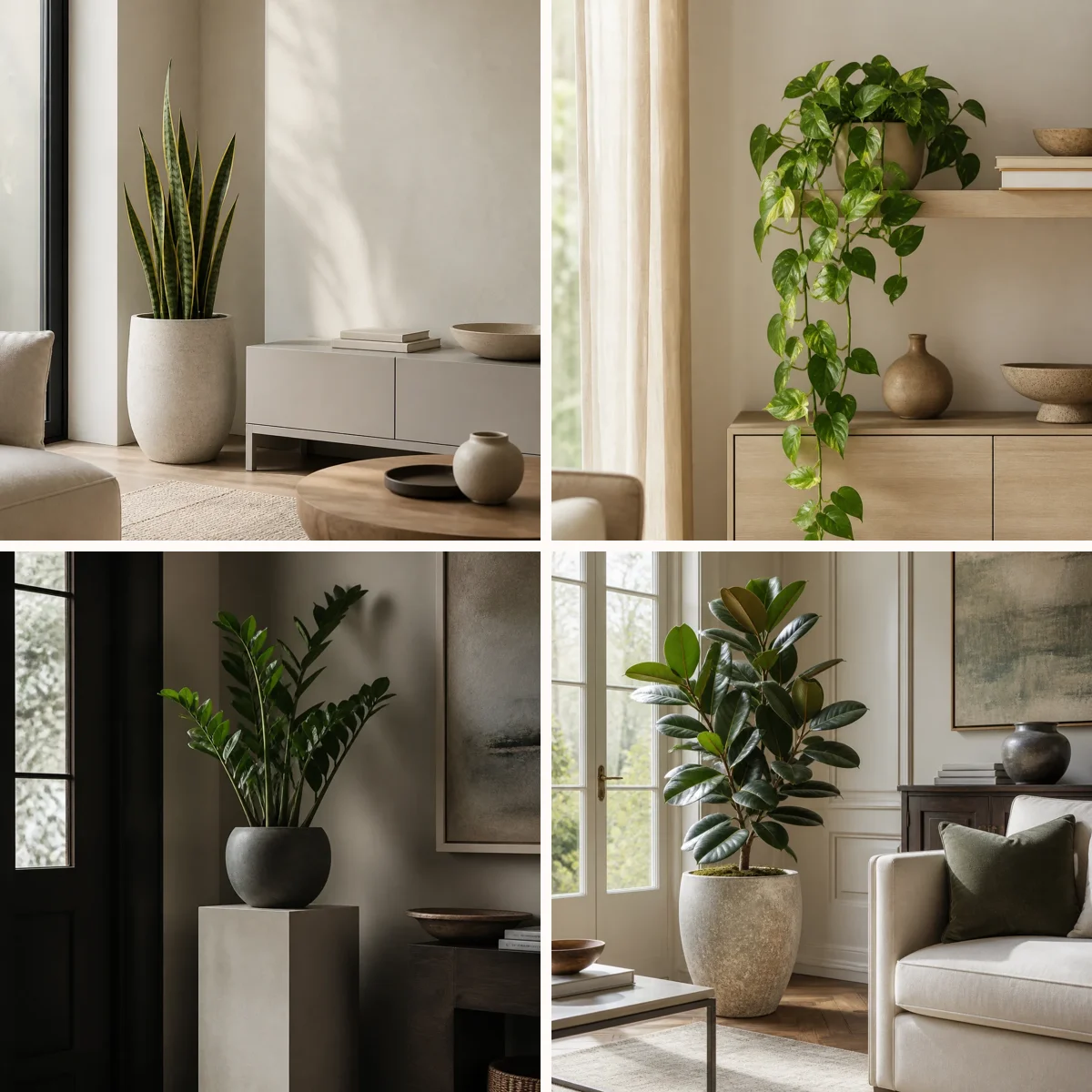
If you want a houseplant that instantly makes a room look more composed, start with a snake plant. Its upright sword-like leaves bring a strong vertical rhythm that suits modern interiors especially well, but it can also add useful structure to softer or more traditional rooms. Because it tolerates missed waterings, average indoor temperatures, and a range of light levels, it is one of the easiest plants for a new plant owner to keep looking crisp. Style it as you would a floor lamp or a narrow sculptural object. A medium to tall snake plant looks best where its silhouette can stand out: beside a low console, near a reading chair, or in an empty corner that needs height without visual clutter. Choose a simple pot with a matte finish in black, stone, sand, or warm white to keep the look refined. Let the soil dry well between waterings, and avoid overfilling decorative corners with too many companions; this plant has the most impact when given breathing room.
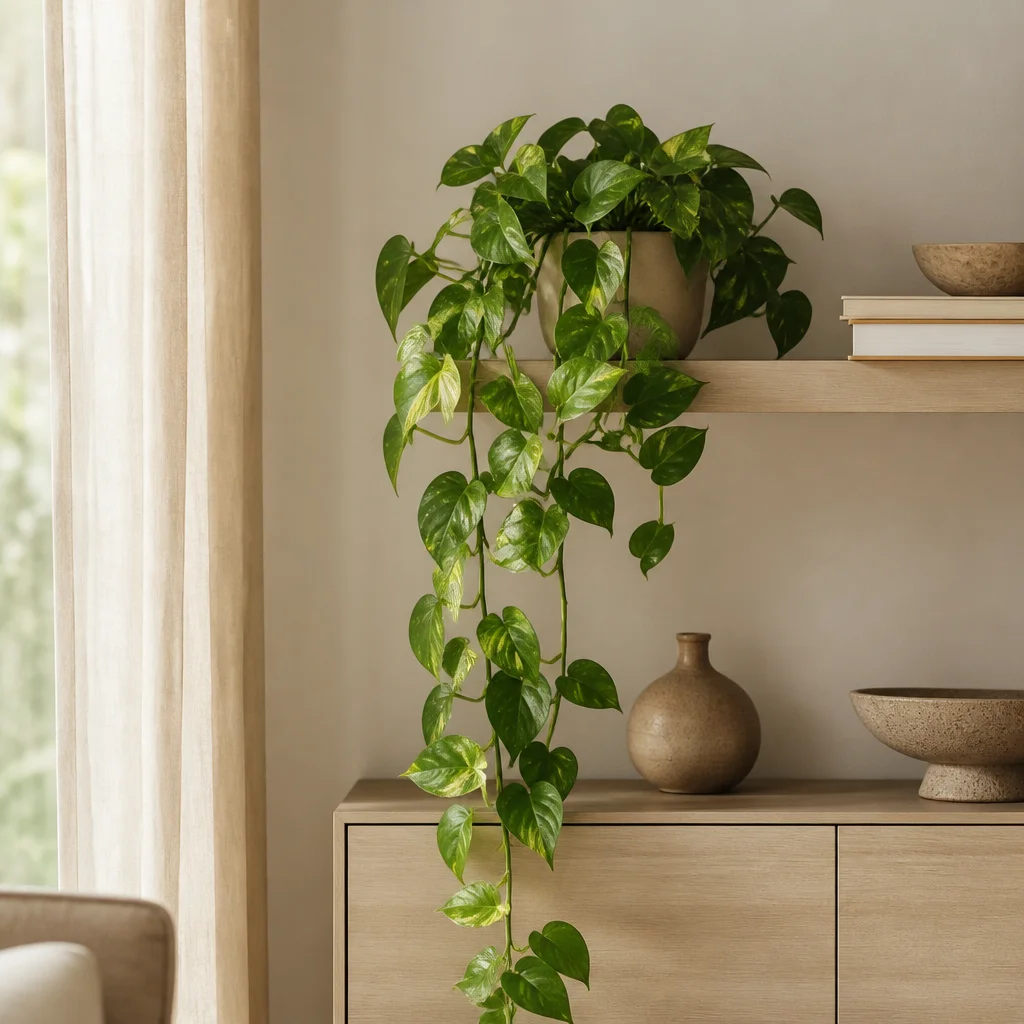
Pothos to Add Effortless Softness on Shelves and Cabinets
Pothos is the plant to choose when a room feels a little hard-edged or unfinished. Its trailing vines relax a space, making it especially useful in homes with straight-lined furniture, open shelving, or clean kitchen cabinetry. For beginners, it is reassuringly adaptable. It handles ordinary indoor conditions well, forgives the occasional lapse in watering, and often tells you what it needs by looking slightly droopy before quickly recovering. To keep pothos looking elevated rather than messy, control the direction of the vines. Let them fall from a shelf in one main cascade, or guide a few strands along the top of a bookcase instead of allowing the plant to tangle in every direction. A pot in ceramic, aged brass, or textured neutral stone can make this common plant feel more intentional. Trim longer vines now and then to encourage fullness near the pot, which gives the plant a lush, designerly shape rather than a sparse, stringy one.
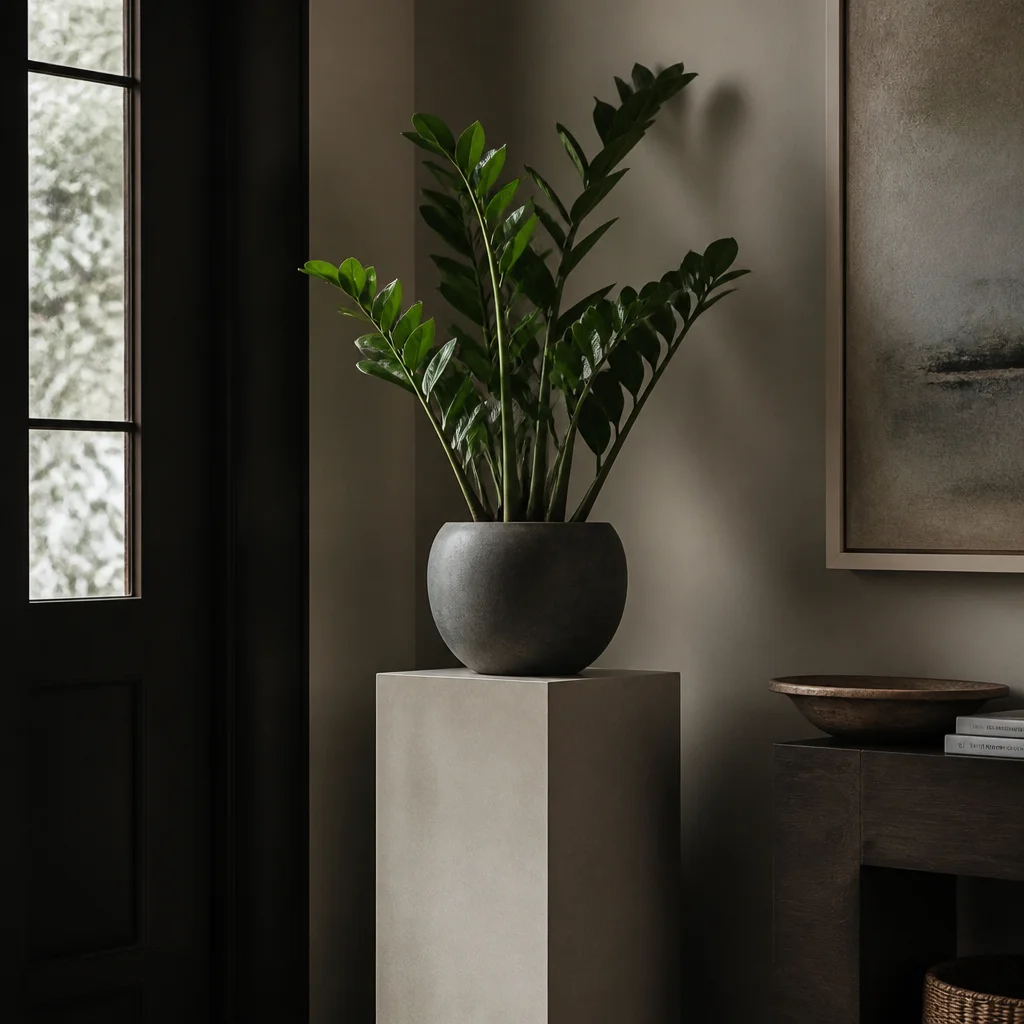
ZZ Plant for Low-Maintenance Gloss in Dimmer Rooms
The ZZ plant is a quiet hero for entryways, bedrooms, and offices that do not receive strong natural light. Its thick stems and glossy leaves reflect just enough light to brighten a subdued corner, and its naturally symmetrical shape gives it a groomed appearance with very little effort. For beginners, this is one of the safest choices because it stores moisture well and generally prefers being left alone over being fussed over. Use the ZZ plant where you want a room to feel grounded. It works beautifully on the floor next to a sideboard or on a pedestal where its form can be appreciated at eye level. Because the leaves already have a polished sheen, pair it with understated materials such as limestone-look planters, ribbed ceramics, or woven baskets lined with a proper inner pot. Water only when the potting mix has dried out well, and rotate it occasionally so its growth stays balanced and elegant.
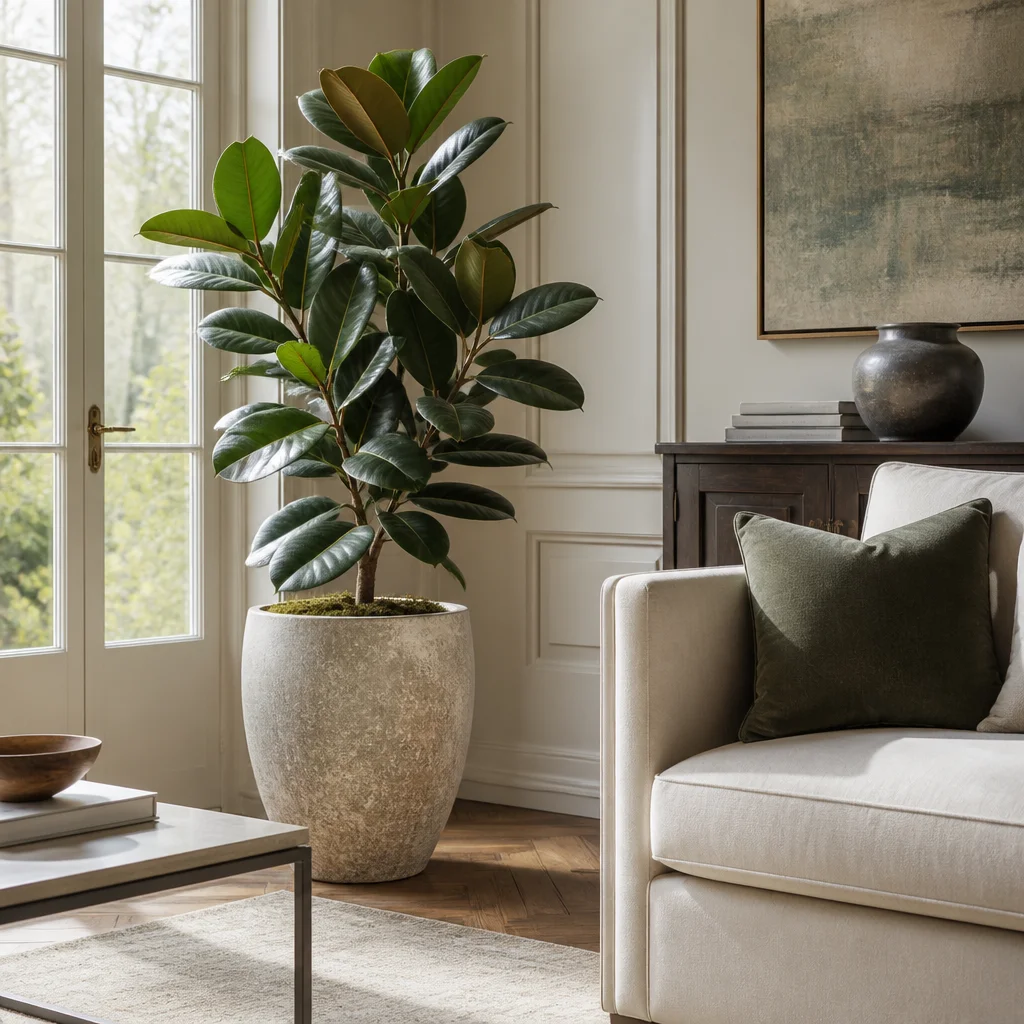
Rubber Plant as a Bold Statement That Still Feels Easy
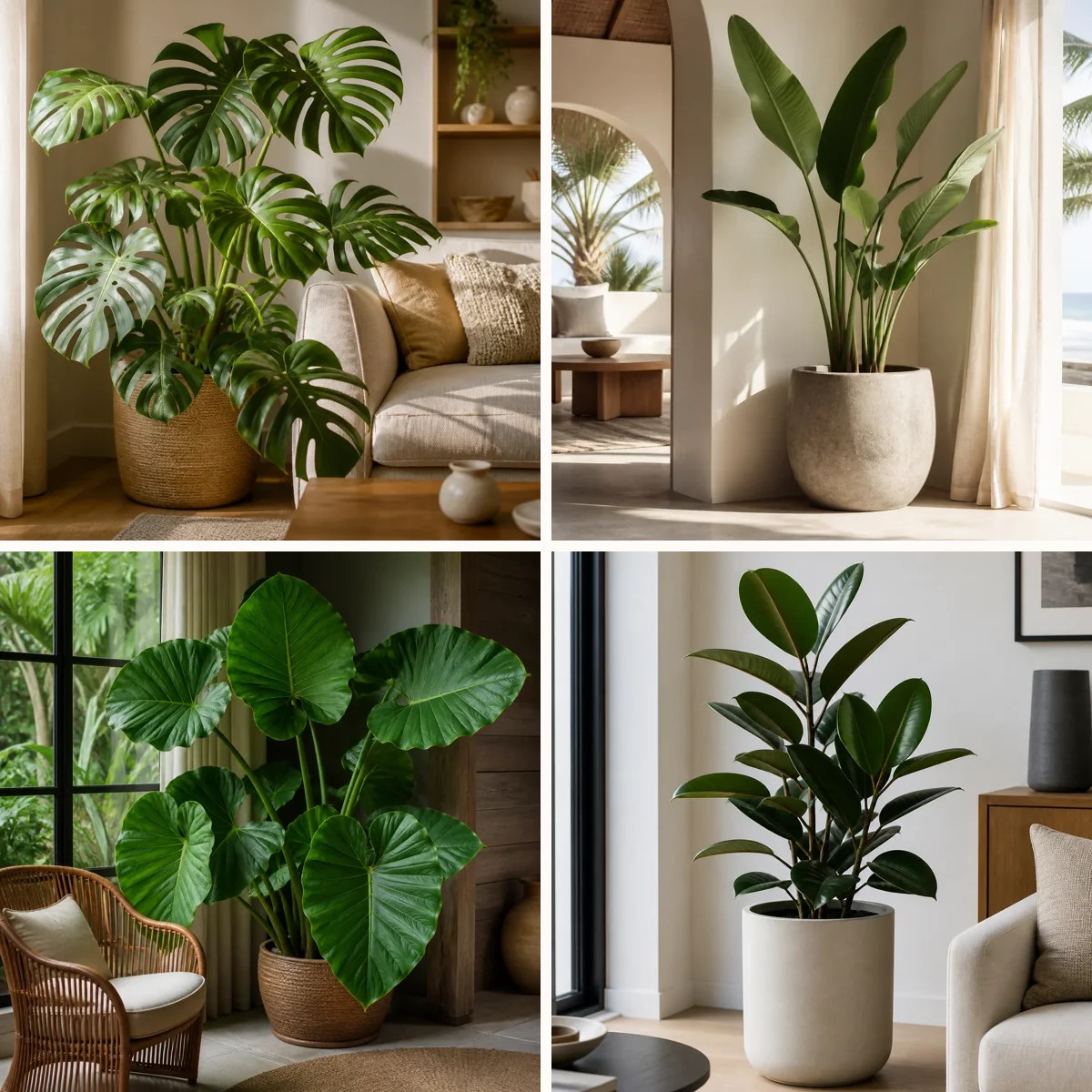
For people who want a bigger, more dramatic plant without graduating immediately to demanding indoor trees, the rubber plant is a smart step. Its broad leaves create a fuller presence than many beginner varieties, and the deep green or burgundy tones can make a room feel more tailored. In modern spaces it reads as sleek and sculptural, while in classic or cozy interiors it adds depth and richness. Place a rubber plant where it can function almost like a piece of furniture: near a sofa, at the end of a dining room sideboard, or in a bright bedroom corner. Give it bright indirect light if possible, and water when the top portion of soil feels dry rather than sticking to a fixed schedule. To keep the look clean, wipe dust from the leaves so their natural luster shows. A substantial pot with a bit of weight visually suits this plant and prevents it from looking top-heavy as it grows.
Peace Lily for Classic Elegance and Gentle Fullness
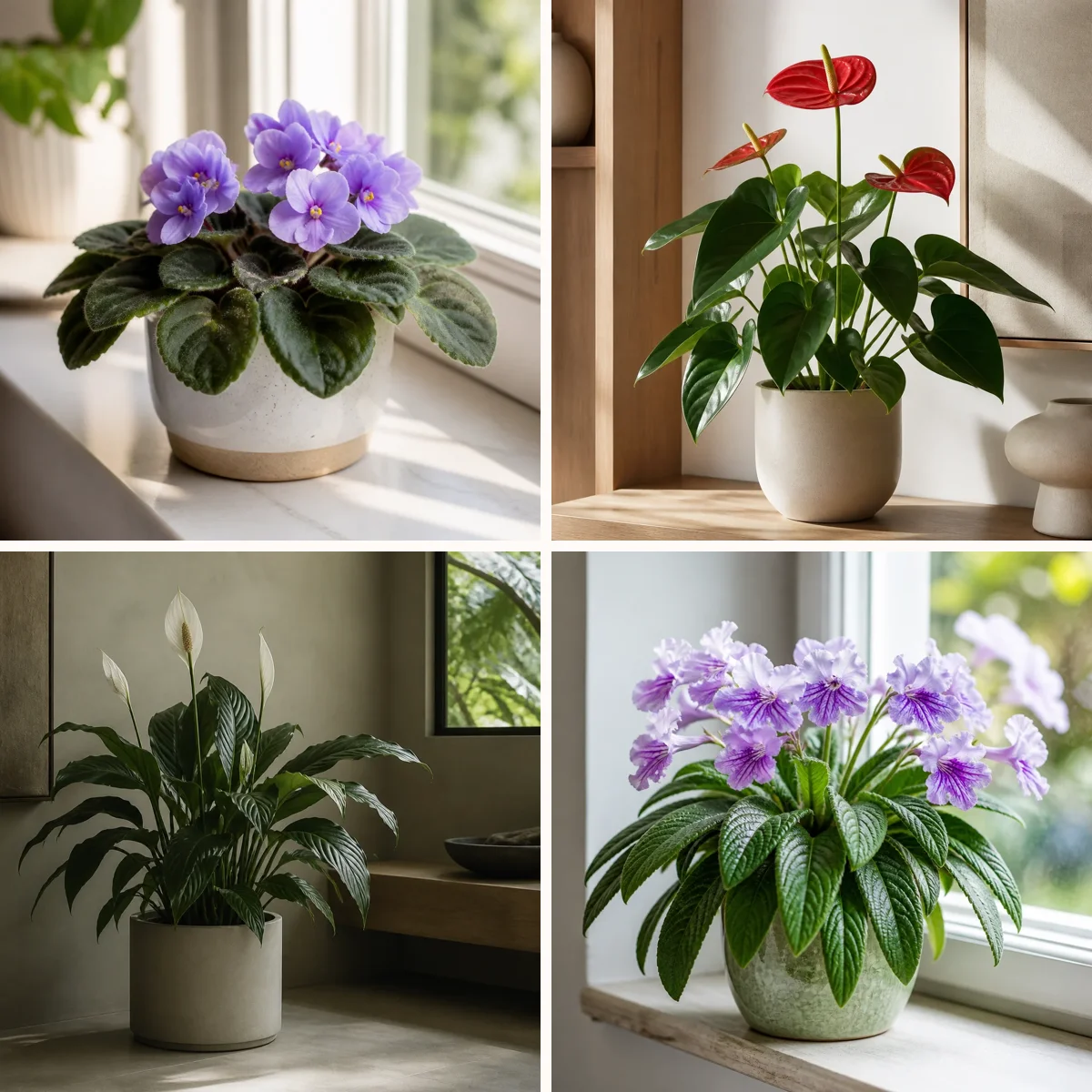
A peace lily offers something many beginner plants do not: a soft, elegant fullness that can make a room feel finished without looking rigid. Its arching leaves have a graceful shape that suits classic interiors, traditional furniture, and quieter color palettes. Even when not in bloom, it has a calm, refined presence, and it is often quite forgiving as long as you do not let it stay bone dry for too long. This plant is especially effective in bedrooms, bathrooms with some natural light, or living rooms that need a little softness. Its leaves can bridge the gap between structured furniture and plush textiles like curtains, rugs, and upholstered seating. Choose a rounded pot to echo its gentler shape, and use the plant as a medium-height layer in the room rather than hiding it on the floor behind larger objects. If the leaves droop, that is often a useful signal to water, making it easier for beginners to learn its rhythm.
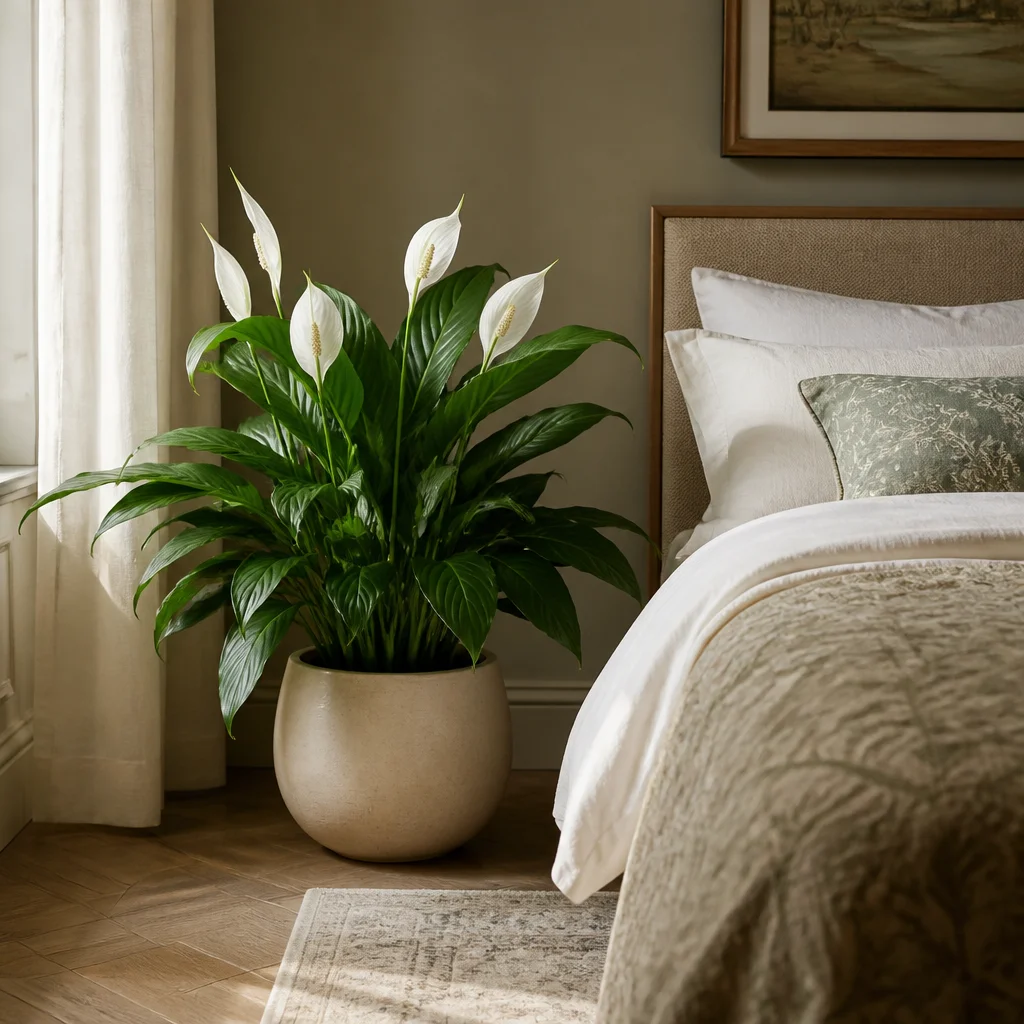
Parlor Palm for an Airy Look in Cozy and Traditional Spaces
If your style leans cozy, vintage, or quietly traditional, a parlor palm can bring movement and life without overpowering the room. Its feathery fronds create a lighter texture than broad-leaf plants, which helps balance heavier wood furniture, darker wall colors, or layered textiles. It has a collected, timeless quality that feels at home in reading nooks, guest rooms, and corners with softer light. The key to styling a parlor palm well is to let its texture contrast with the room around it. Place it near a paneled wall, beside a skirted chair, or next to a stack of books where the fine leaves can break up denser shapes. Avoid placing it in harsh direct sun, and keep the soil lightly and evenly moist rather than drenched. A woven basket, classic pedestal, or antique-look planter can amplify its relaxed elegance while still keeping care straightforward.
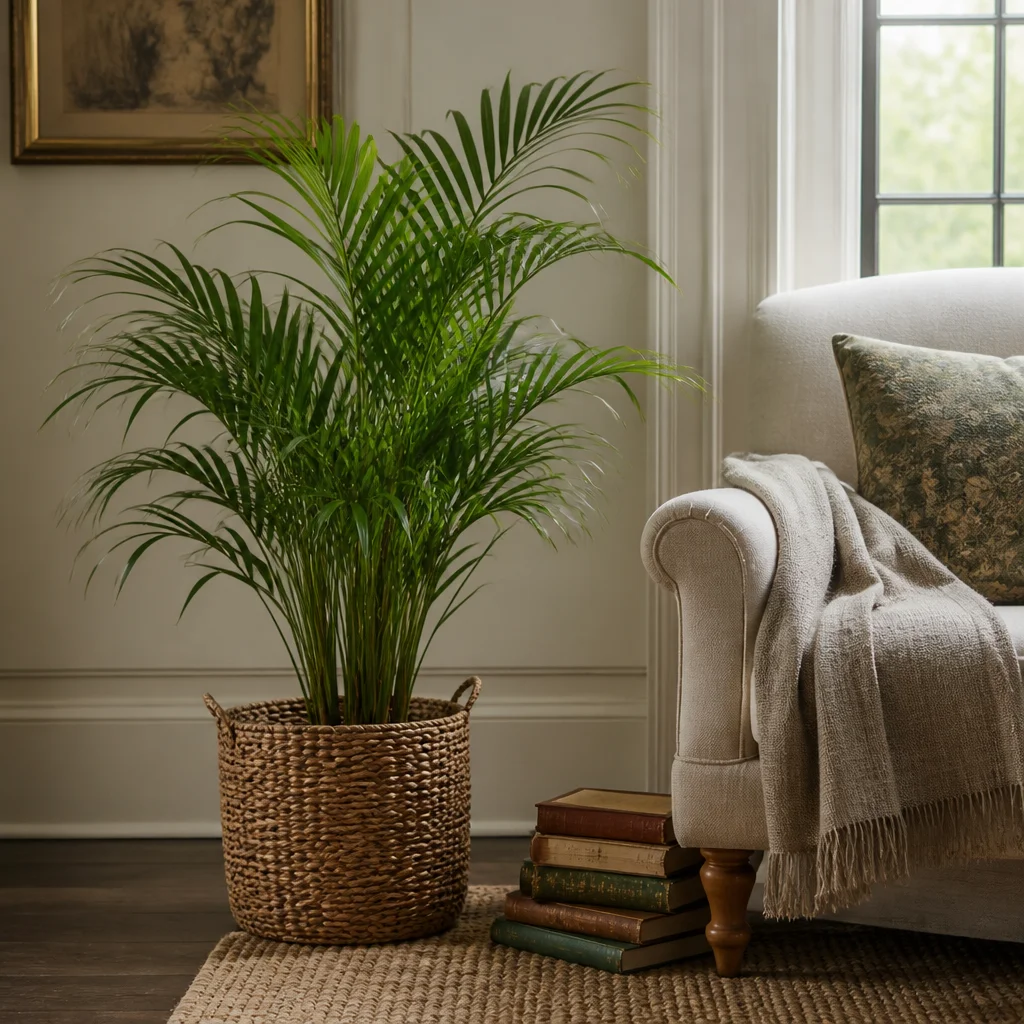
Spider Plant for Fresh Energy in Kitchens and Small Apartments
Spider plants bring brightness and movement in a way that feels cheerful but still neat. Their arcing striped leaves suit smaller homes, kitchens, and apartments because they offer presence without taking up much floor space. They are also among the easiest plants for beginners, adapting well to ordinary indoor life and producing offsets over time that add to their charm. To make a spider plant look more refined, focus on placement and repetition of shape. It works especially well on a kitchen shelf, in a hanging planter near a window, or on a plant stand where the leaves can spill outward evenly. Keep surrounding décor relatively simple so the striped foliage reads as a deliberate accent instead of visual noise. If baby plants appear, you can leave a few attached for a fuller look or pot them up elsewhere to create a subtle sense of continuity from room to room.
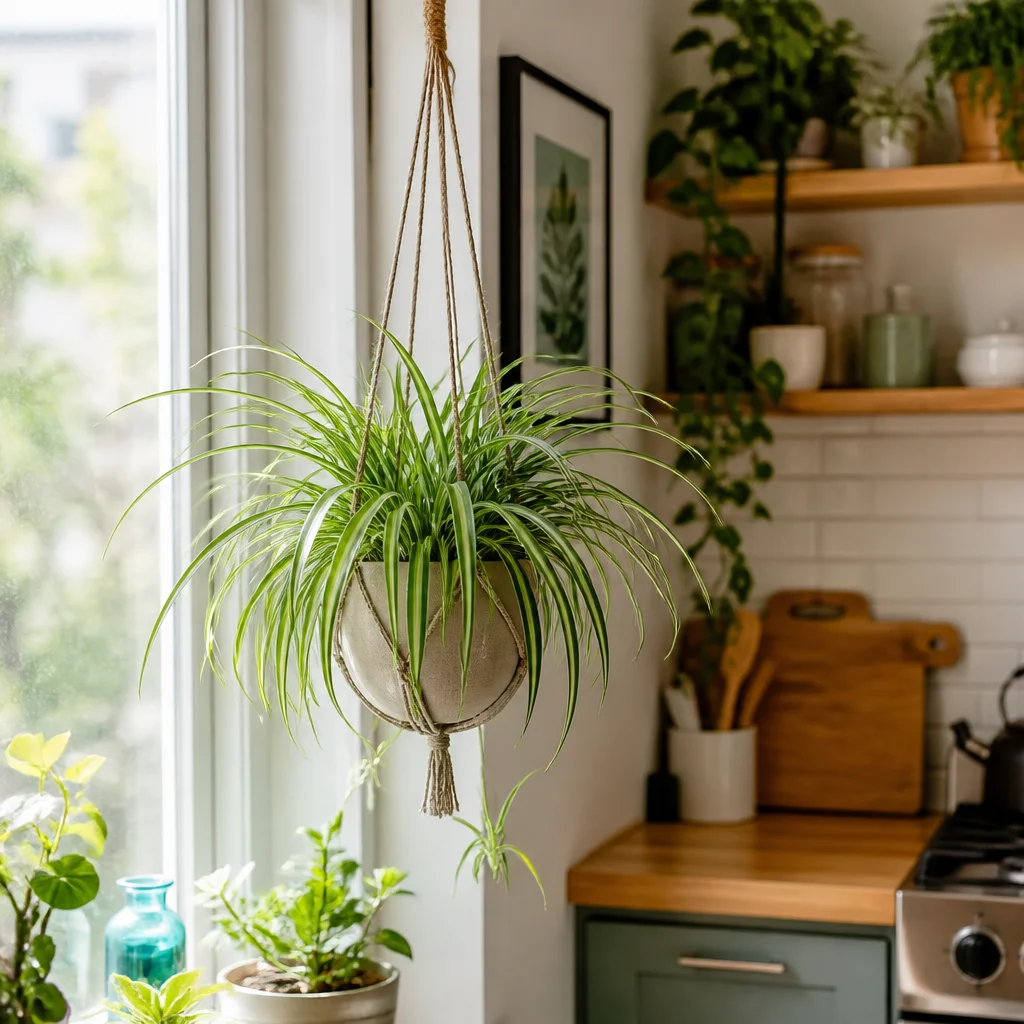
Monstera for a Relaxed Statement That Still Feels Approachable
Monstera has become a modern classic for good reason: the large split leaves make an immediate statement, yet the plant is often quite manageable for beginners once basic needs are met. It brings a relaxed, expressive quality that works in contemporary interiors, but it can also soften traditional rooms by adding scale and organic shape. If you want one plant that can anchor a space and still feel welcoming, it is a strong candidate. Because monstera grows with character, give it enough room to spread without crowding nearby furniture. A bright corner near a window, a spot beside a media console, or an open-plan living area can all suit it well. Support larger stems if needed, and rotate the pot so growth remains balanced. To keep the look sophisticated, avoid stuffing too many other large plants around it; a monstera has the most style impact when it is allowed to be the focal green element in the zone.
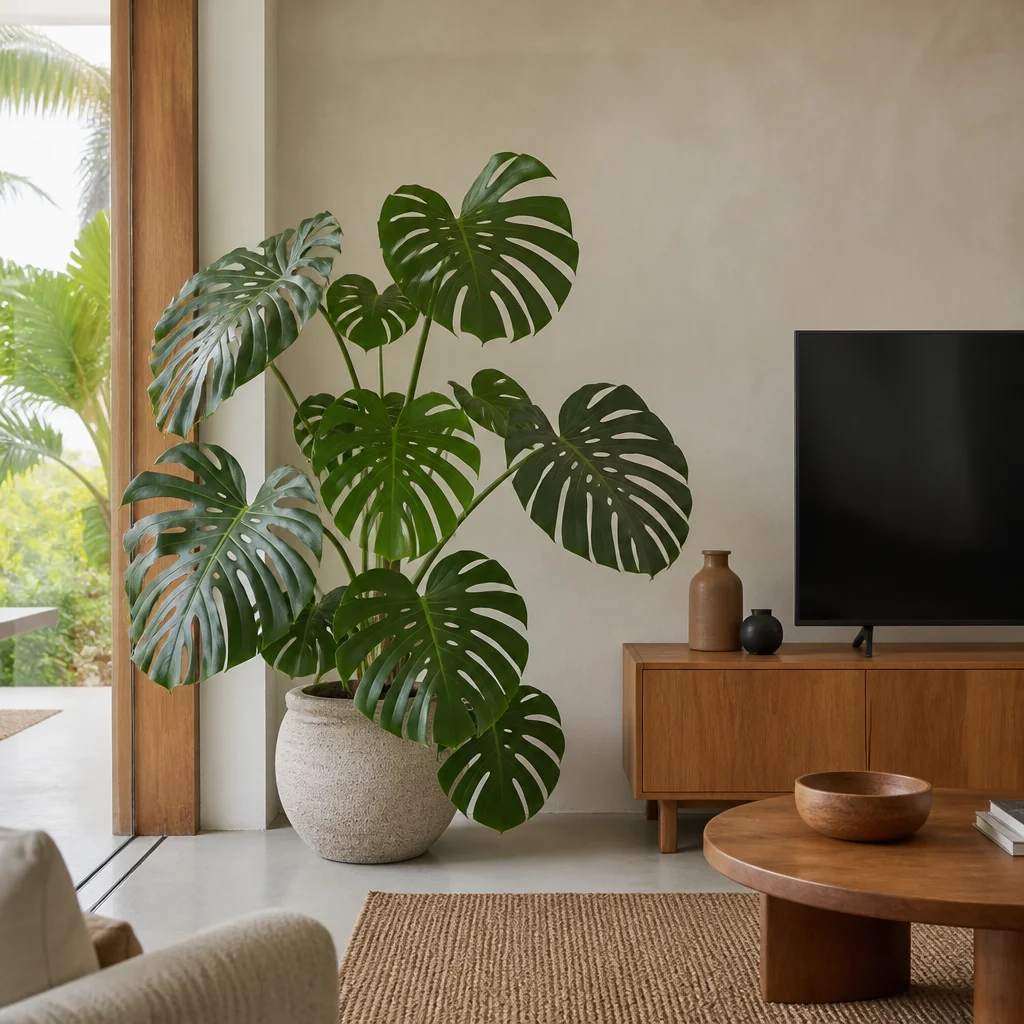
Style Plants Like a Designer by Repeating Materials and Varying Height
The most useful trick for making easy plants look designer-approved is not buying rarer plants; it is creating visual cohesion. Even simple, dependable varieties look elevated when the pots and placements relate to the rest of the room. Repeat one or two finishes, such as warm ceramic, black metal, or natural woven texture, so your plants feel integrated with lamps, side tables, and storage pieces. Then vary height by using the floor, a stand, and a tabletop surface so greenery moves the eye through the room. Think in terms of balance rather than quantity. One tall architectural plant, one trailing plant, and one medium soft-shaped plant can often do more for a room than a crowded collection. Leave negative space around standout specimens, and match each plant to a location that supports its care needs instead of forcing a look that will not last. When a plant is healthy and the styling is restrained, even the most beginner-friendly choices can make a home feel thoughtful, settled, and beautifully lived in.
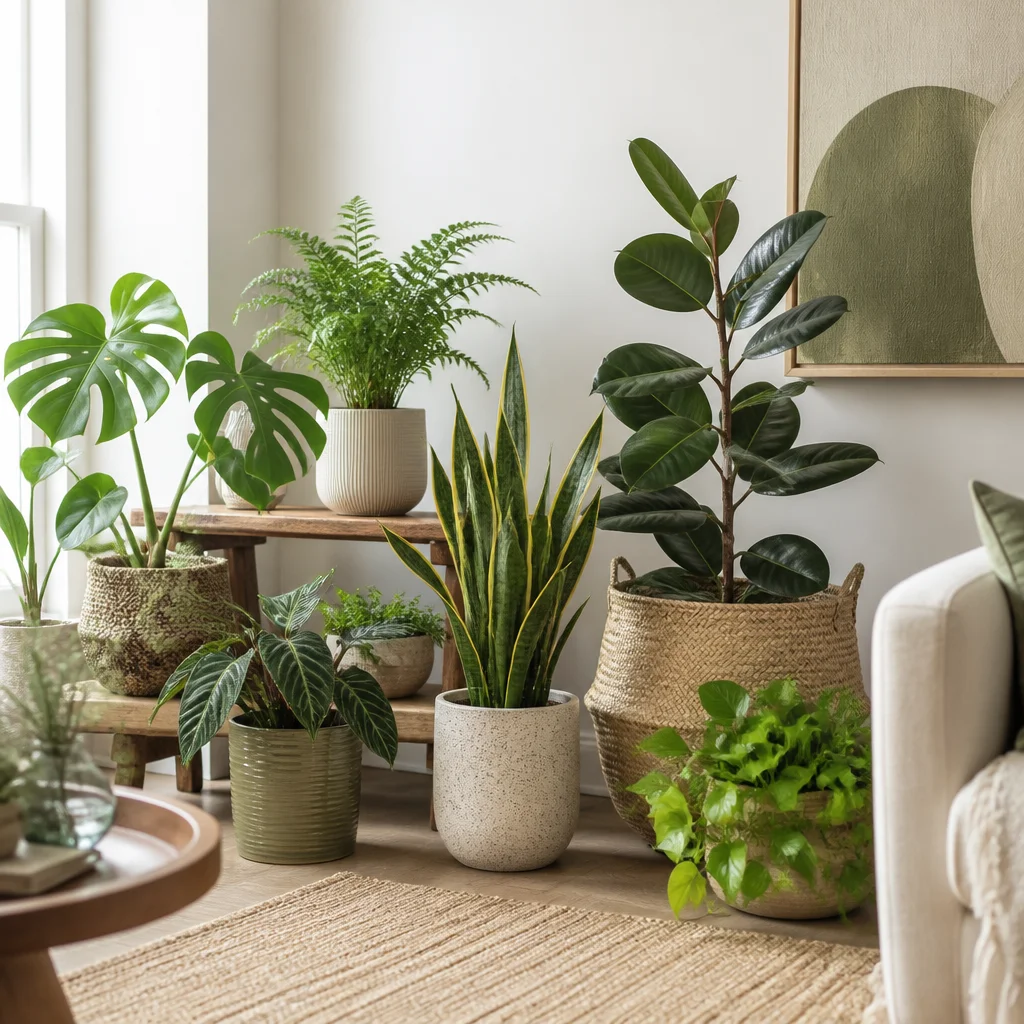
Images are AI-generated inspiration concepts.
Explore the categories ↗How did this story make you feel?
Choose one reaction. You can change it later.