Beginner-Friendly Plants8 min read
10 Beginner-Friendly Houseplants That Forgive Common Mistakes
Starting an indoor plant collection can feel risky when you are still learning how often to water, where the light falls, and what normal growth is supposed to look like. The good news is that many popular houseplants are far more flexible than their polished photos suggest. Some bounce back after a dry spell, some adapt to ordinary indoor light, and others keep growing even when your routine is not yet consistent. This roundup focuses on plants that are especially kind to beginners. Each one offers a practical advantage, whether that is storing water in its leaves, tolerating lower light, or simply growing at a steady pace that gives you time to notice problems before they become serious. If you want a home that feels greener without demanding perfect care, these ten reliable choices are a strong place to begin.

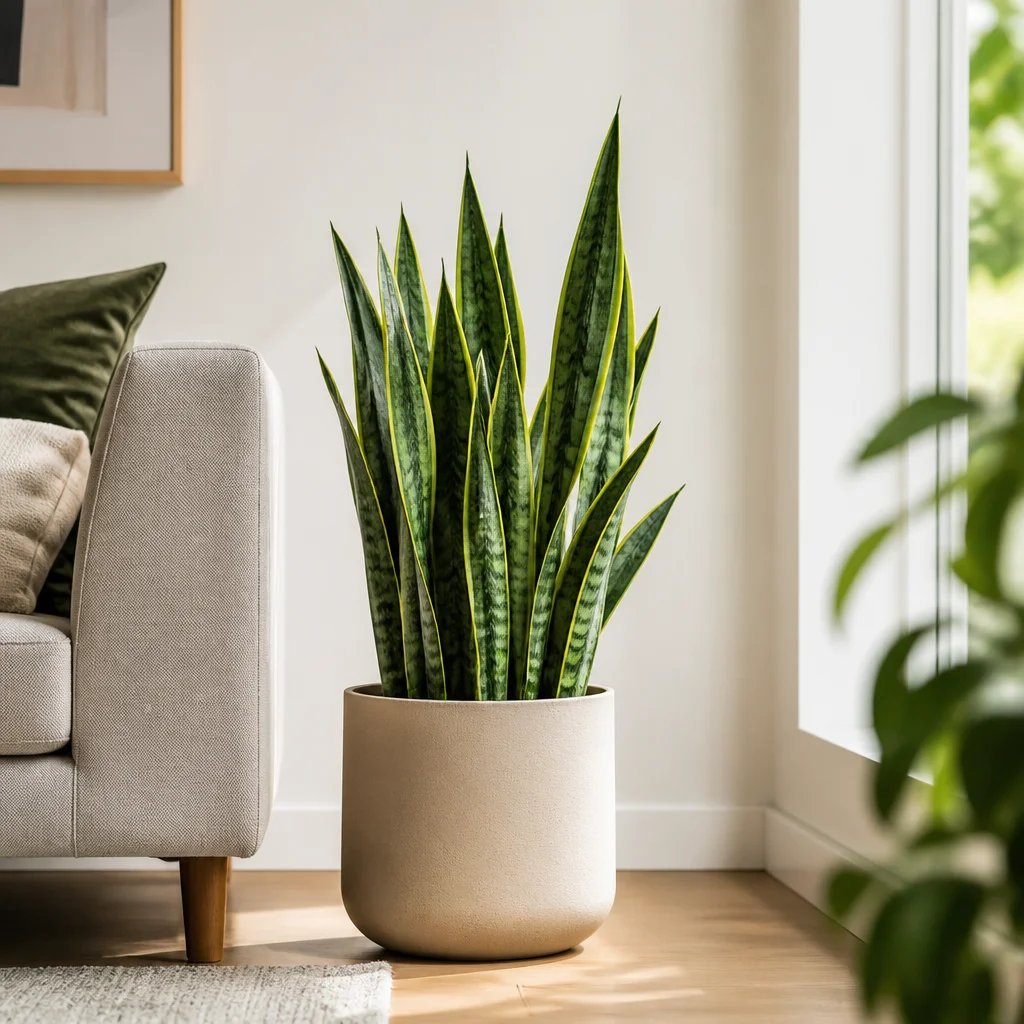
Snake Plant: the easiest choice for forgetful watering habits
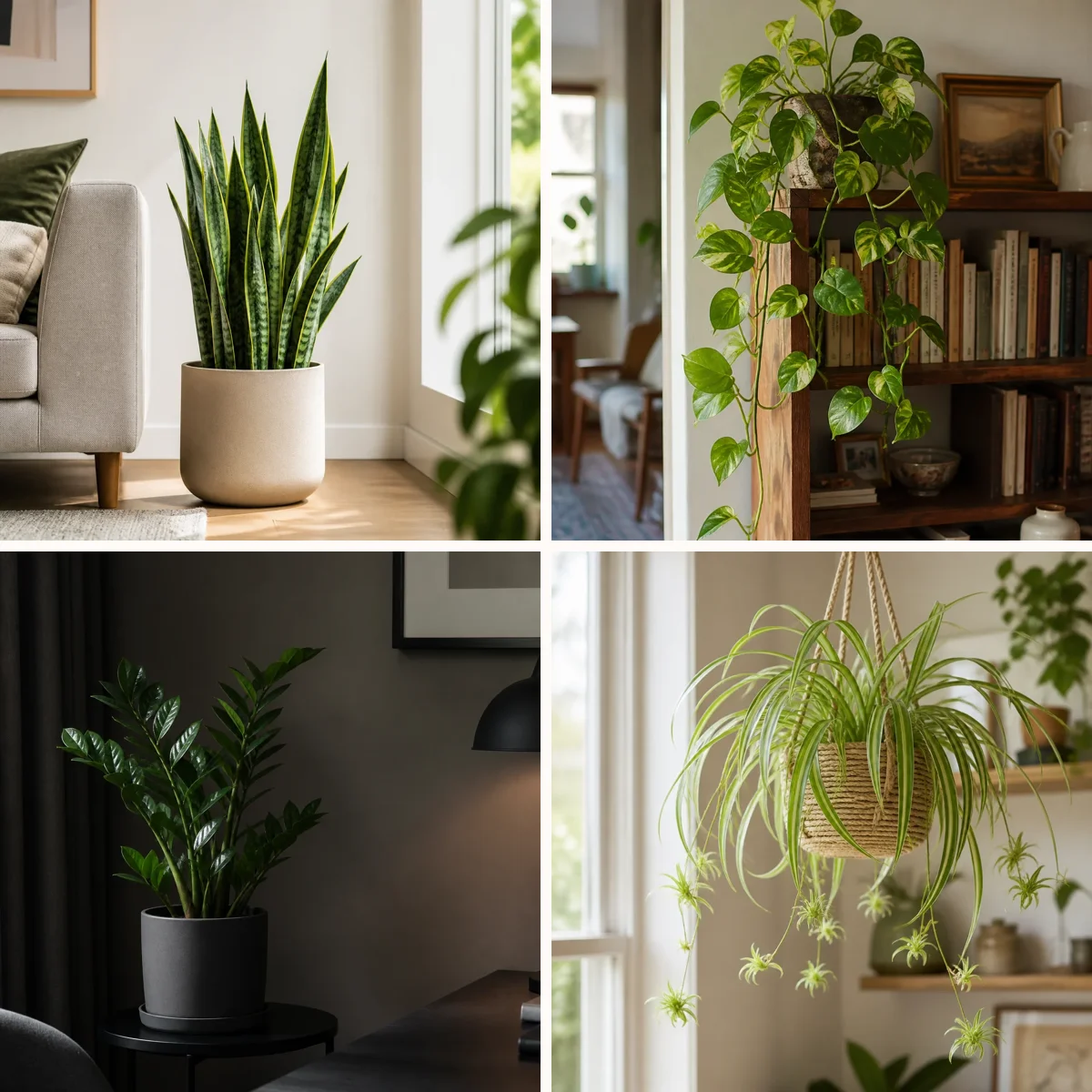
Snake plant is one of the most forgiving houseplants because its thick upright leaves store moisture, which helps it cope with missed waterings better than many leafy tropical plants. It can also handle a wide range of indoor conditions, from bright indirect light to fairly dim corners, although it grows faster with more light. For a beginner, that flexibility removes two of the most common stress points at once: inconsistent watering and uncertainty about placement. The most useful way to keep a snake plant happy is to choose a pot with drainage and let the soil dry thoroughly before watering again. That simple habit prevents the mistake this plant dislikes most, which is soggy soil. Style it in a simple floor pot beside a sofa, in a bedroom corner, or on a narrow console where its vertical shape adds structure without taking up much surface space.
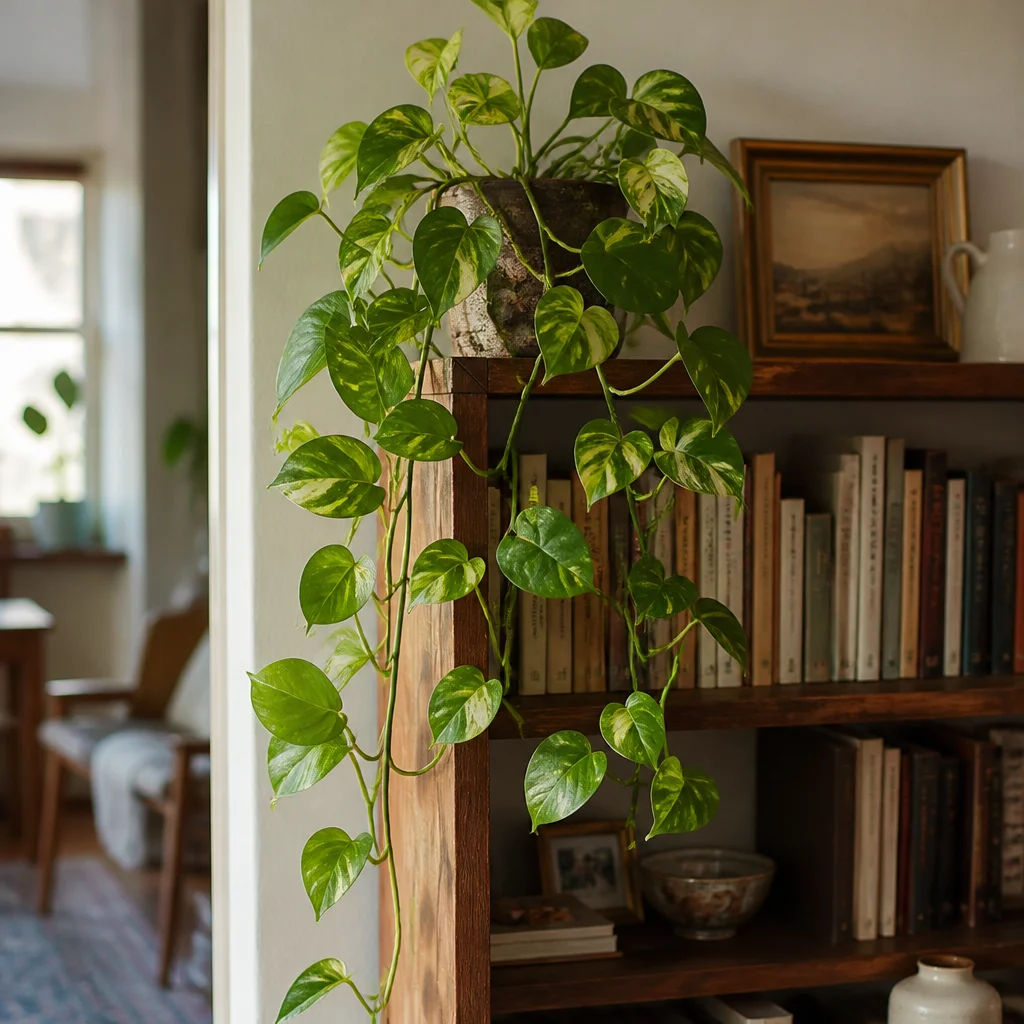
Pothos: a trailing plant that adapts while you learn
Pothos is a classic beginner plant because it keeps looking good even when your care routine is still developing. Its vines tolerate average indoor light, and the plant usually gives clear signals when it is thirsty by looking slightly limp before serious damage happens. That makes it easier to correct mistakes quickly. Even if a few leaves yellow from overwatering or neglect, the plant often continues growing with very little fuss. One especially practical idea is to use pothos where you will see it often, such as on a bookshelf, kitchen shelf, or plant stand near everyday traffic. Frequent visibility helps you notice drooping vines, dry soil, or pale growth before problems build up. If the stems get long, trim them lightly to encourage a fuller shape, and place the cuttings in water if you want an easy, low-pressure propagation project.
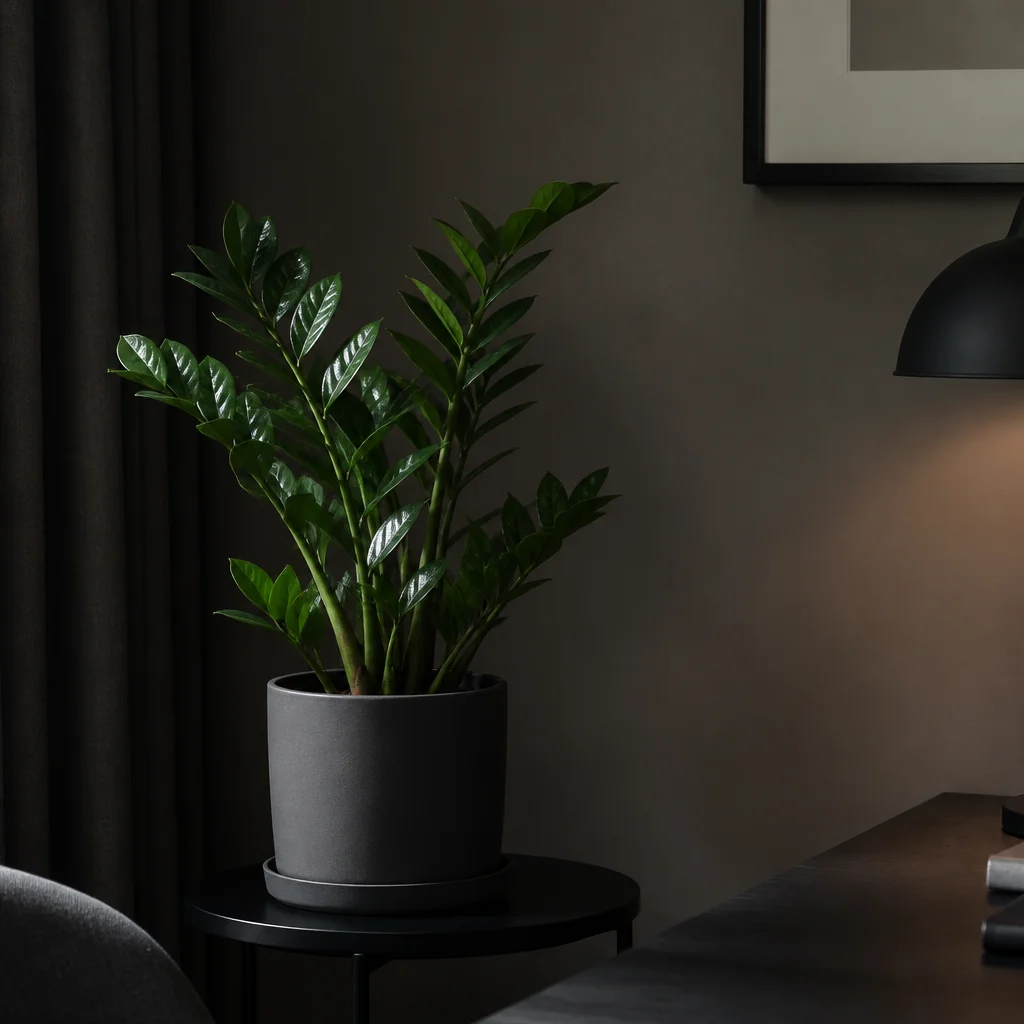
ZZ Plant: a low-effort option for low-light rooms
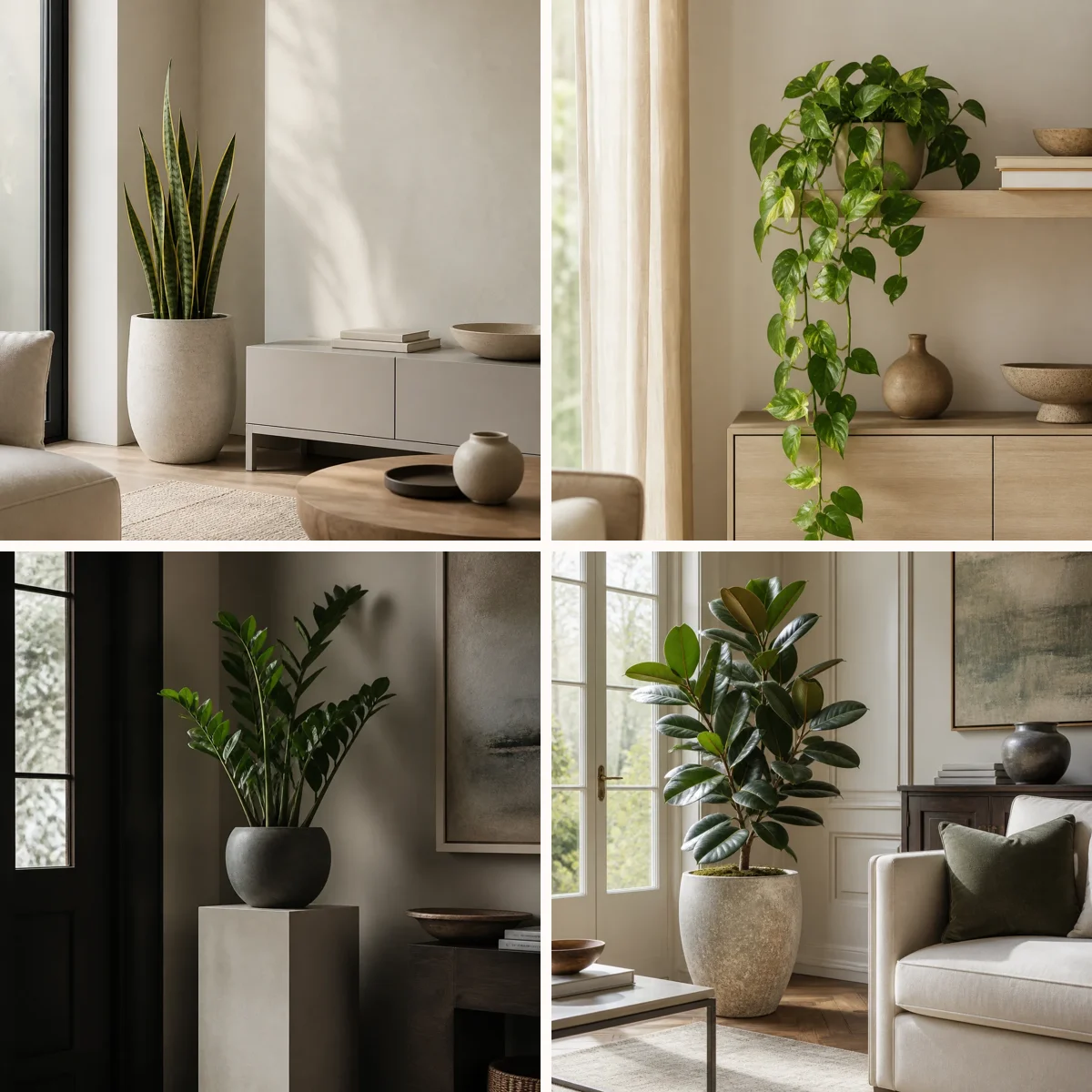
The ZZ plant is famous for tolerating neglect, which makes it ideal for people who travel, work long hours, or simply do not want a demanding care schedule. Its glossy stems grow from thick underground rhizomes that store water, so occasional forgetfulness is rarely a disaster. It also manages well in lower light than many houseplants, making it useful for offices, hallways, and rooms that do not receive strong sun. The smartest beginner approach is to resist doing too much. Place it in a stable spot, water only when the soil has dried well, and avoid moving it constantly in search of a perfect location. Visually, the ZZ plant works well in clean, modern interiors because its dark green, sculptural stems look polished even when the plant is small. A matte ceramic pot emphasizes that tidy, architectural look.
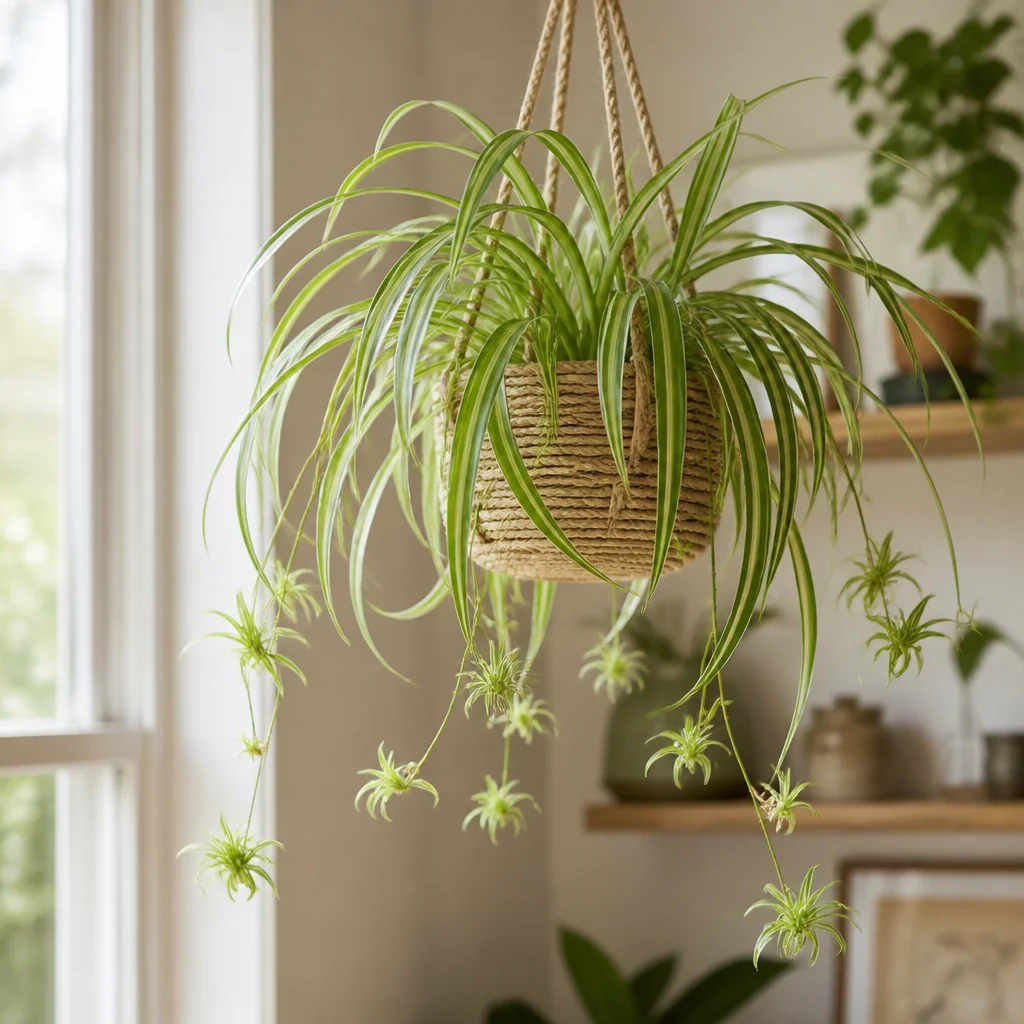
Spider Plant: fast feedback for new plant owners
Spider plants are generous beginner plants because they respond quickly to decent care and usually recover well from small mistakes. They tolerate average indoor conditions, grow in a relaxed fountain shape, and often produce baby plantlets that make the whole experience feel encouraging. If you are trying to build confidence, a plant that visibly grows and multiplies can be more motivating than one that changes very slowly. A helpful idea is to give spider plants bright indirect light if possible, then water when the top portion of the soil feels dry rather than following a rigid schedule. This teaches a useful beginner skill: responding to the plant and the soil instead of the calendar. Spider plants look especially good in hanging planters or on high shelves where their arching leaves and dangling plantlets can soften straight lines in a room.
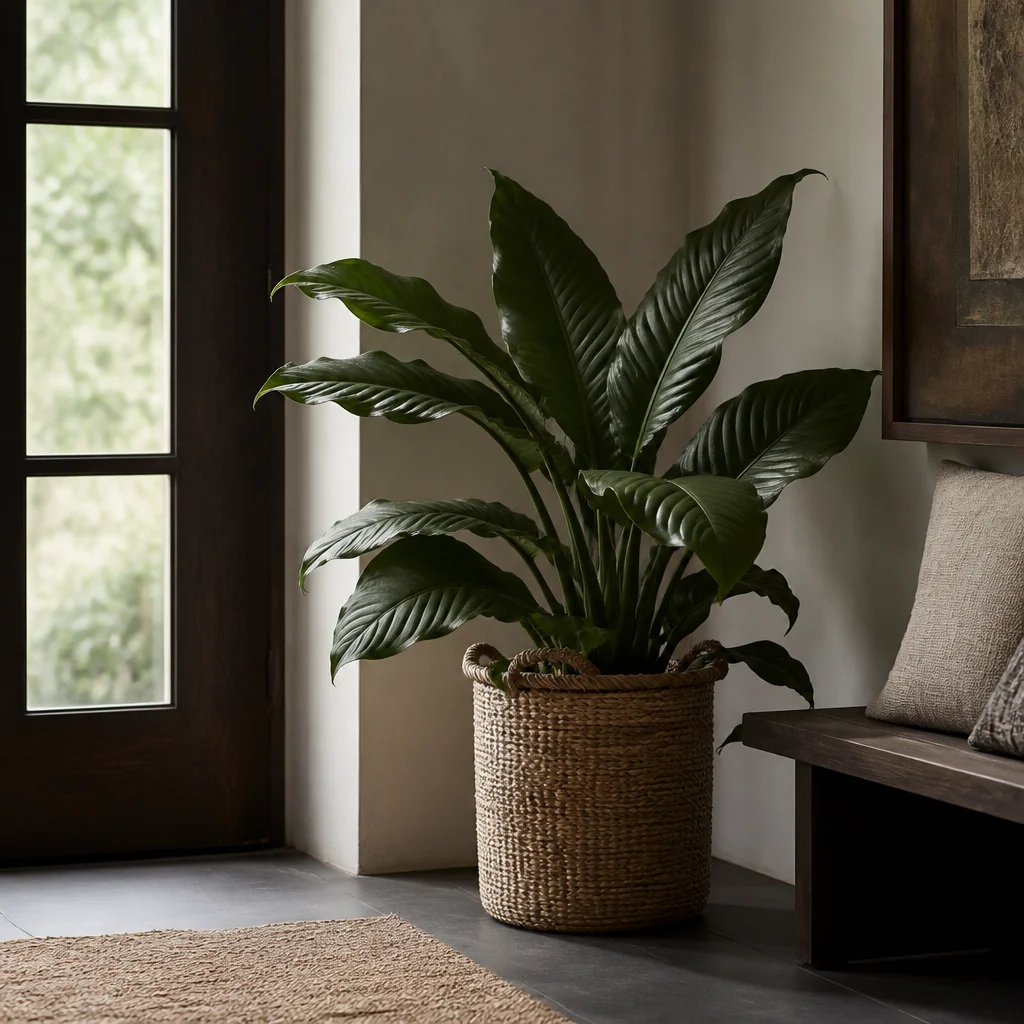
Cast Iron Plant: dependable greenery for darker corners
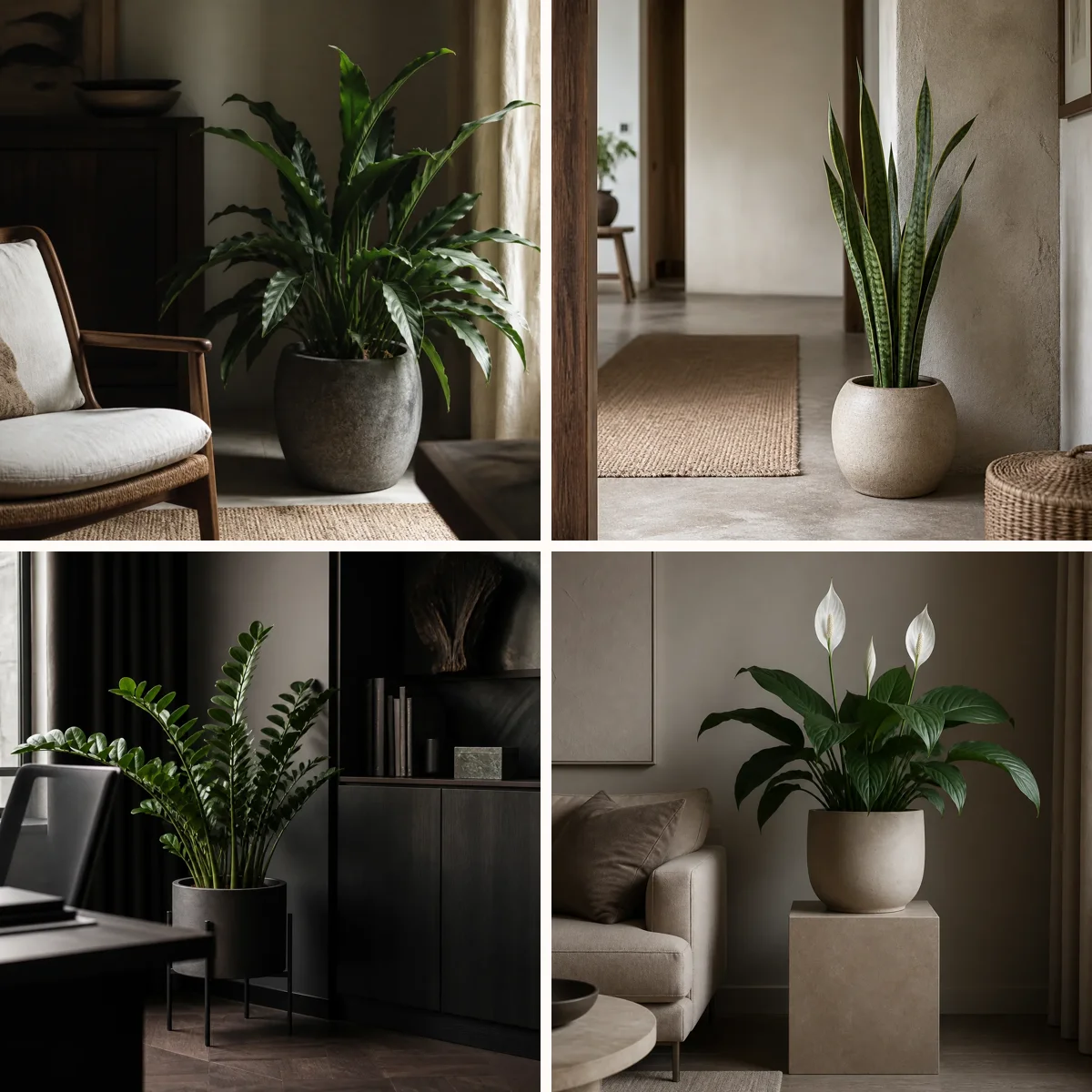
Cast iron plant earns its reputation by tolerating conditions that would frustrate fussier houseplants. It handles lower light, occasional dryness, and normal indoor temperature shifts with impressive calm. Its broad deep green leaves emerge slowly, but that slow pace is part of its appeal for beginners because it does not demand frequent repotting, feeding, or pruning. The most useful role for this plant is as a reliable solution for spaces that need greenery but do not receive ideal light, such as entryways, stair landings, or rooms with north-facing windows. Because the foliage is solid and elegant, it pairs nicely with natural textures like wood, woven baskets, and linen. If you tend to over-care for plants, this is a good one to leave alone and simply check every week or two.
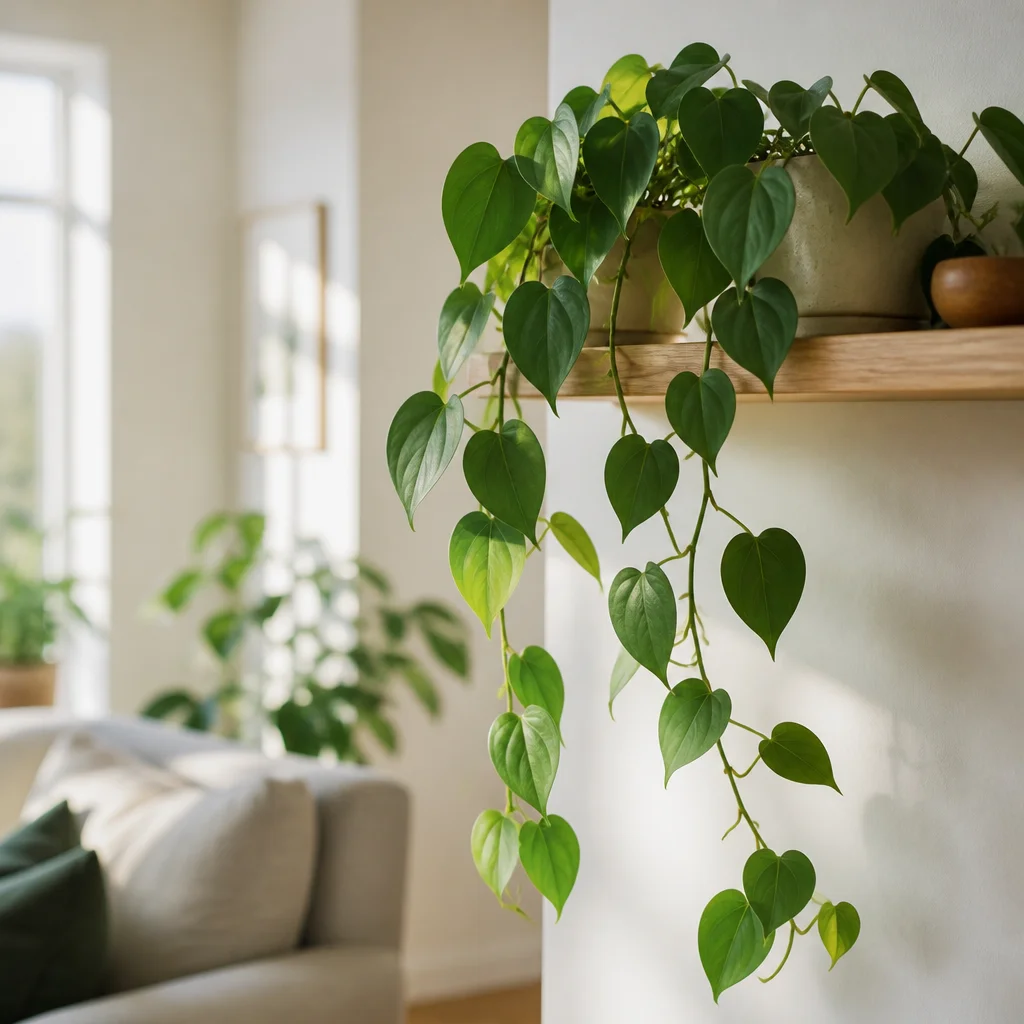
Heartleaf Philodendron: soft, forgiving growth for everyday rooms
Heartleaf philodendron is an easy trailing plant with a slightly softer, more delicate look than pothos, but it is still very forgiving for beginners. It adapts well to average indoor light, tolerates the occasional missed watering, and tends to grow steadily without becoming fussy. The heart-shaped leaves also make it especially useful if you want a relaxed, lived-in plant style rather than something stiff or formal. A practical styling tip is to let it trail from a shelf or train it along a small support so it becomes part of the room rather than just an object on a windowsill. Keep the soil lightly moist but not wet, and do not panic if a vine becomes sparse over time. A simple trim can encourage fuller growth, and rotating the pot every so often helps keep the plant balanced instead of stretching too far toward one side.
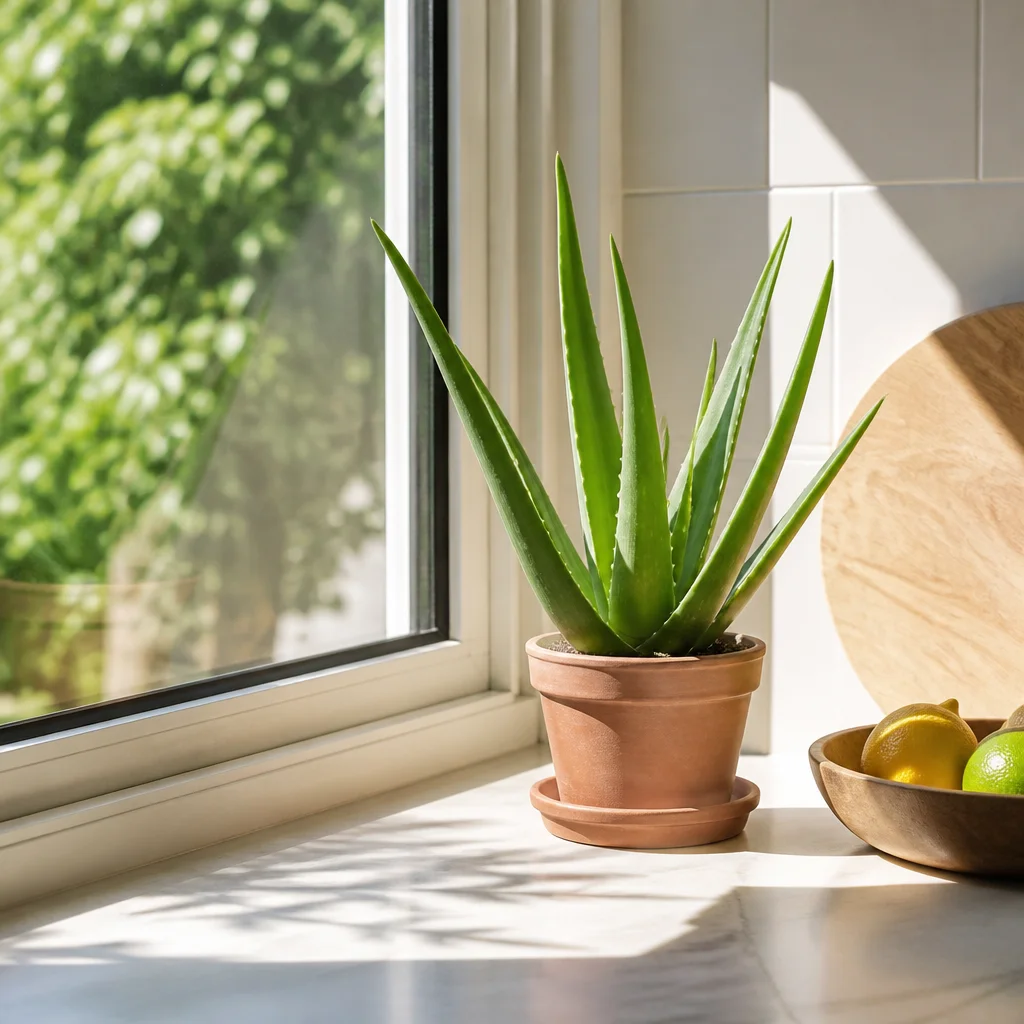
Aloe Vera: a compact plant that forgives dry spells
Aloe vera is an excellent beginner plant for sunny spots because its fleshy leaves are built to store water. That means it is much more likely to forgive underwatering than overwatering, which can be reassuring if you are not yet confident about plant care timing. Its tidy rosette shape also stays manageable for quite a while, making it a practical choice for desks, side tables, and bright kitchen counters. The key useful idea with aloe is to match it with your brightest available window and use a gritty, fast-draining potting mix if possible. That setup does more for long-term success than any complicated routine. In terms of styling, aloe pairs well with simple pots and uncluttered surfaces because the plant itself has a strong sculptural form. It can make a small room feel intentional without adding visual heaviness.
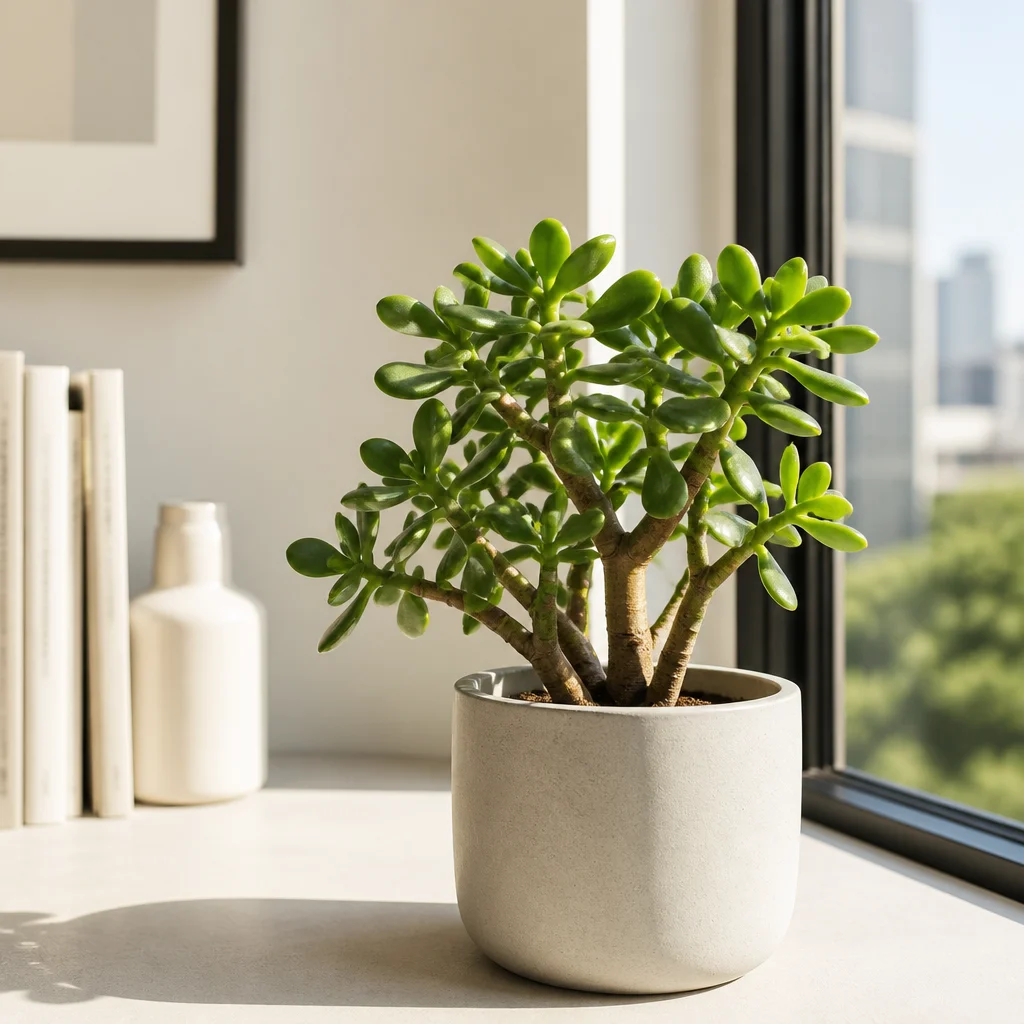
Jade Plant: a sturdy windowsill plant with long-term potential
Jade plant is another beginner-friendly succulent that rewards a light touch. Its thick stems and rounded leaves hold water well, so it can usually handle forgotten waterings far better than constant attention. Over time, it can develop a branching, tree-like shape that gives even a small specimen a sense of age and character, which makes it satisfying to grow over the years. For best results, place jade where it gets strong light and avoid watering again until the soil has dried out well. If you want it to look neat and balanced, turn the pot every week or two so all sides receive light. A jade plant works beautifully on a sunny sill, a home office shelf, or grouped with a few other drought-tolerant plants where its rounded leaf shape contrasts with sharper forms like aloe or snake plant.
Peace Lily: a clear communicator for learning plant care
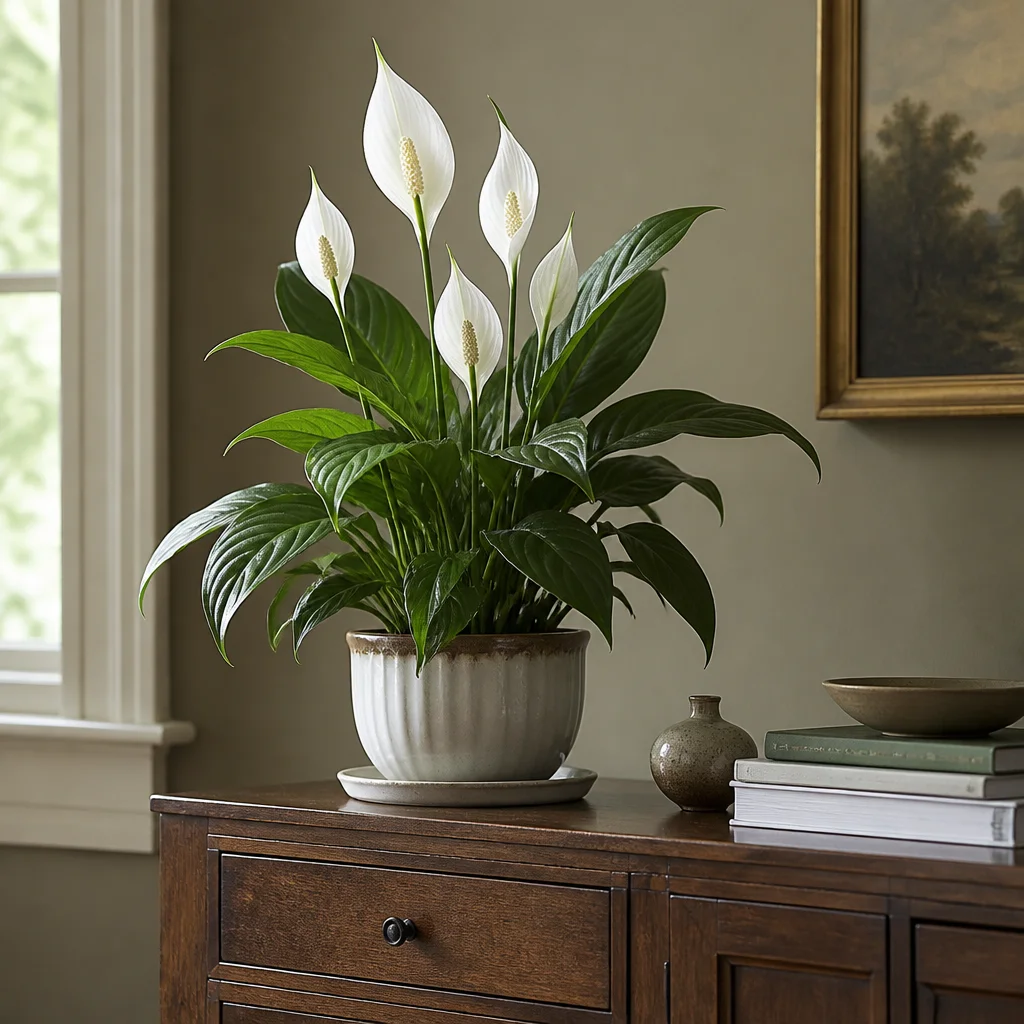
Peace lily is helpful for beginners not because it tolerates endless neglect, but because it communicates clearly. When it needs water, the leaves often droop noticeably, then perk back up after a thorough drink. That visible feedback can teach new plant owners how plants respond to thirst without requiring expert judgment. It also tolerates lower light fairly well, though it generally grows better and looks fuller in medium to bright indirect light. A useful beginner strategy is to keep peace lily in a place where you pass by daily, such as near a dining table, hallway console, or living room sideboard. That way, you can respond to drooping before the plant stays stressed for too long. Its glossy leaves and occasional white blooms also make it one of the easiest ways to add a more polished, classic houseplant look to everyday interiors.
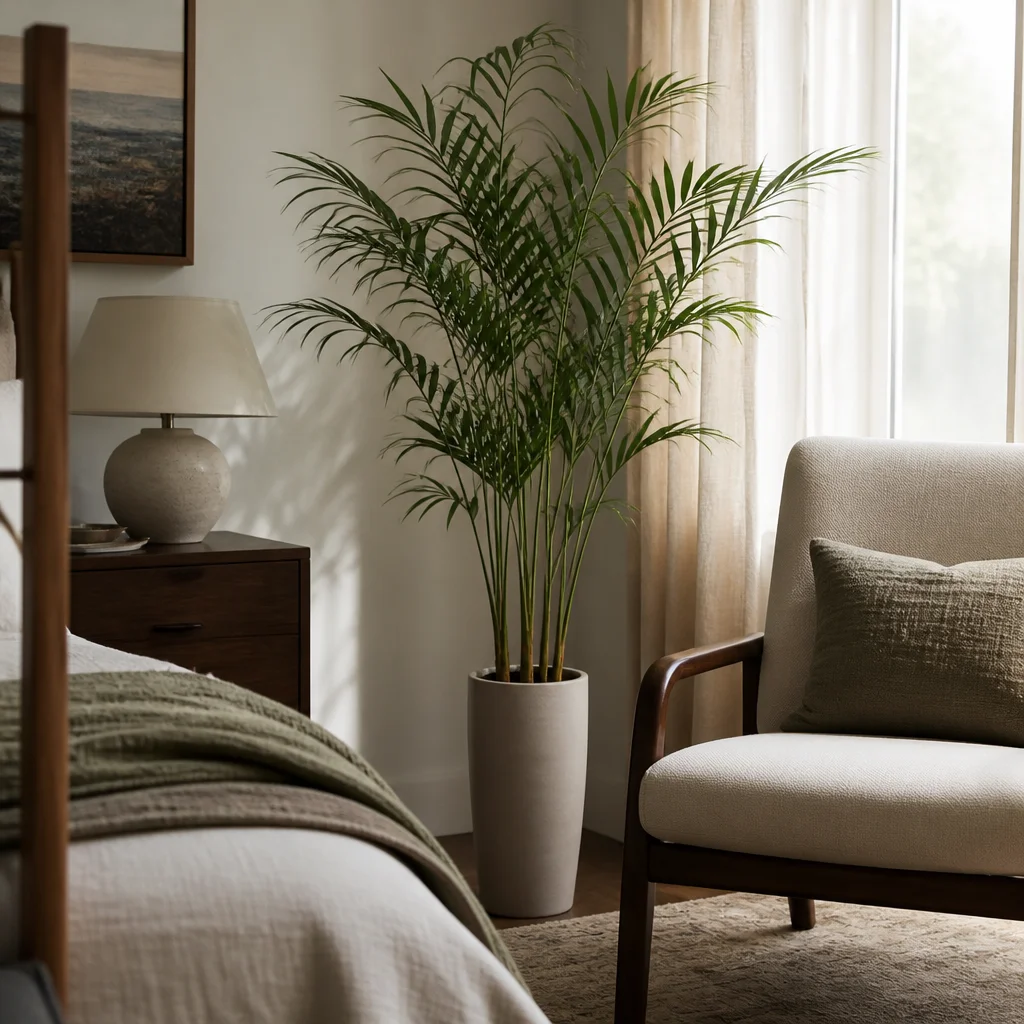
Parlor Palm: an easy way to add softness and height indoors
Parlor palm has remained popular for generations because it brings a gentle, feathery look into the home without demanding tropical-greenhouse conditions. It tolerates average indoor light and does not usually react dramatically to minor beginner errors, which makes it a steady choice for anyone who wants a calmer, softer plant presence. Compared with bolder foliage plants, it blends easily into many decorating styles. One practical idea is to use parlor palm where you want vertical interest but do not have room for a large sprawling plant. A slim pot beside an armchair, in a bedroom corner, or near a bathroom window can lift the whole space. Keep the soil lightly moist but not constantly wet, and remember that a slightly slower-growing palm is often easier to manage than a fast grower when you are still learning the basics.
How did this story make you feel?
Choose one reaction. You can change it later.