Culinary Herbs7 min read
Growing Culinary Herbs Together: How to Match Their Needs
A generous herb garden does not need much space, but it does need thoughtful neighbors. Basil and rosemary may both love sunshine, for example, yet their roots prefer very different moisture levels. Grouping herbs by how they actually grow makes watering simpler, keeps plants healthier, and creates combinations that are as pleasing to look at as they are useful in the kitchen. Start with the light your space receives, then match watering needs and allow room for each plant’s natural shape.

Start With Sunlight, Then Check the Soil
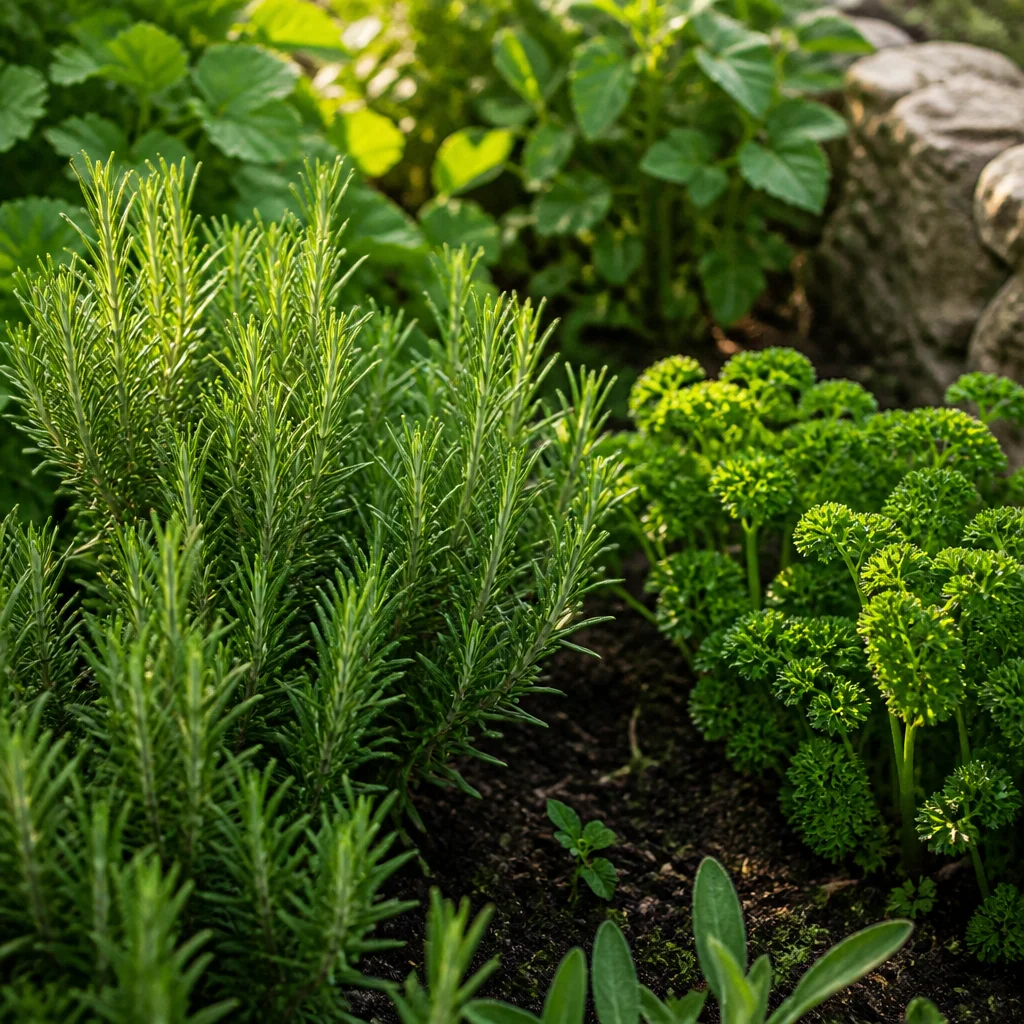
Observe your chosen spot over a clear day rather than guessing from a single bright hour. Many culinary herbs grow best with at least six hours of direct sun, while parsley, chives, and mint can also cope with partial shade. In very hot climates, gentle afternoon shade can help leafy herbs avoid wilting, especially in containers. Next, consider how quickly the soil dries. Mediterranean herbs such as rosemary, thyme, and sage prefer excellent drainage and are generally happier when the surface dries between waterings. Basil and parsley prefer more consistently moist soil, without sitting in waterlogged compost. Even a sunny bed can have damp and dry pockets, so test the soil with a finger a few inches down before deciding what belongs together.
Build a Dry-Loving Mediterranean Pot
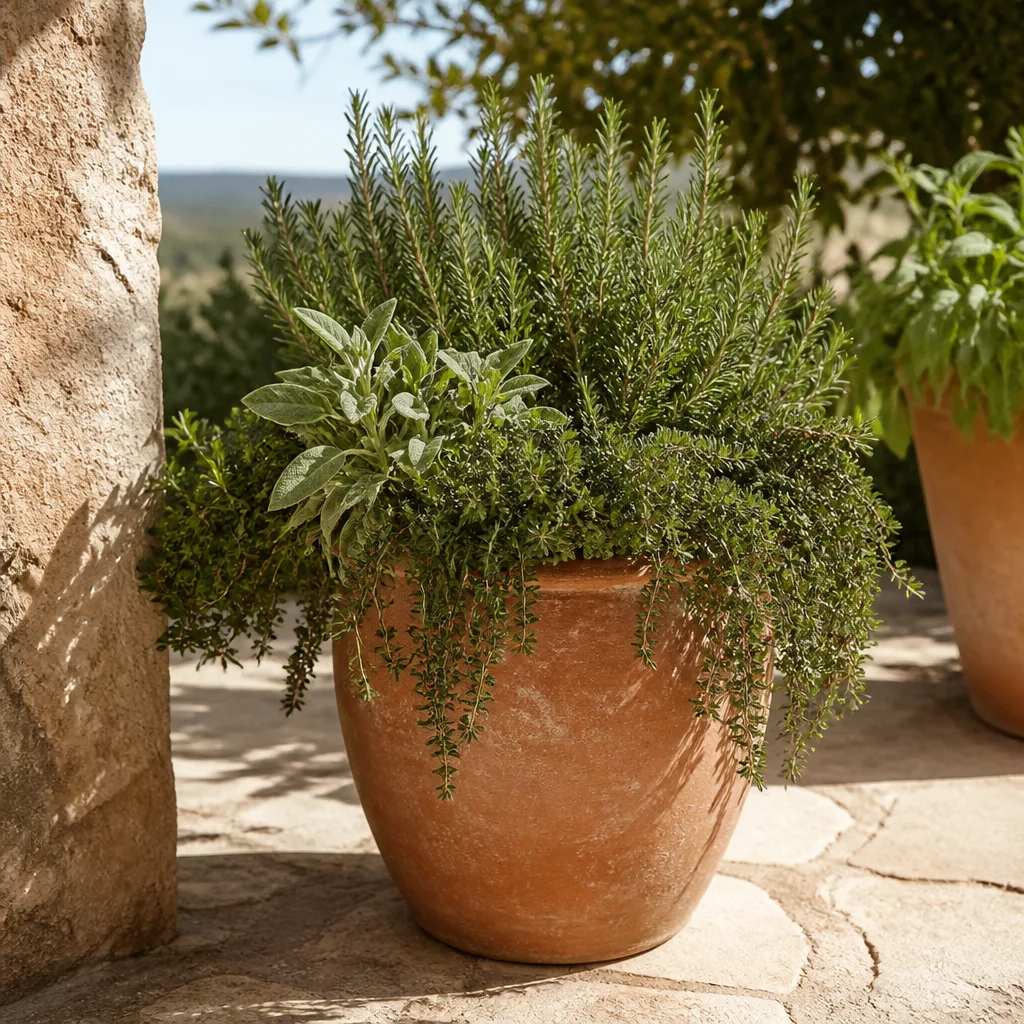
For a sunny terrace, combine a compact rosemary with thyme and sage in a large container with drainage holes. Their shared preference for sun and free-draining soil makes them convenient companions. Use a container mix suited to pots, amended if needed to improve drainage, and water thoroughly when the upper layer has dried. Let excess water escape rather than leaving the pot in a full saucer. Choose a pot at least 16 inches wide for a small mixed planting, and check the expected mature size of each variety. Put rosemary toward the back, sage beside it, and trailing thyme near the rim. This arrangement gives each plant light and creates a relaxed, layered shape. Where winters are severe, move the container to a sheltered, bright location or treat less hardy plants according to your local climate.
Pair Basil and Parsley for Regular Harvests
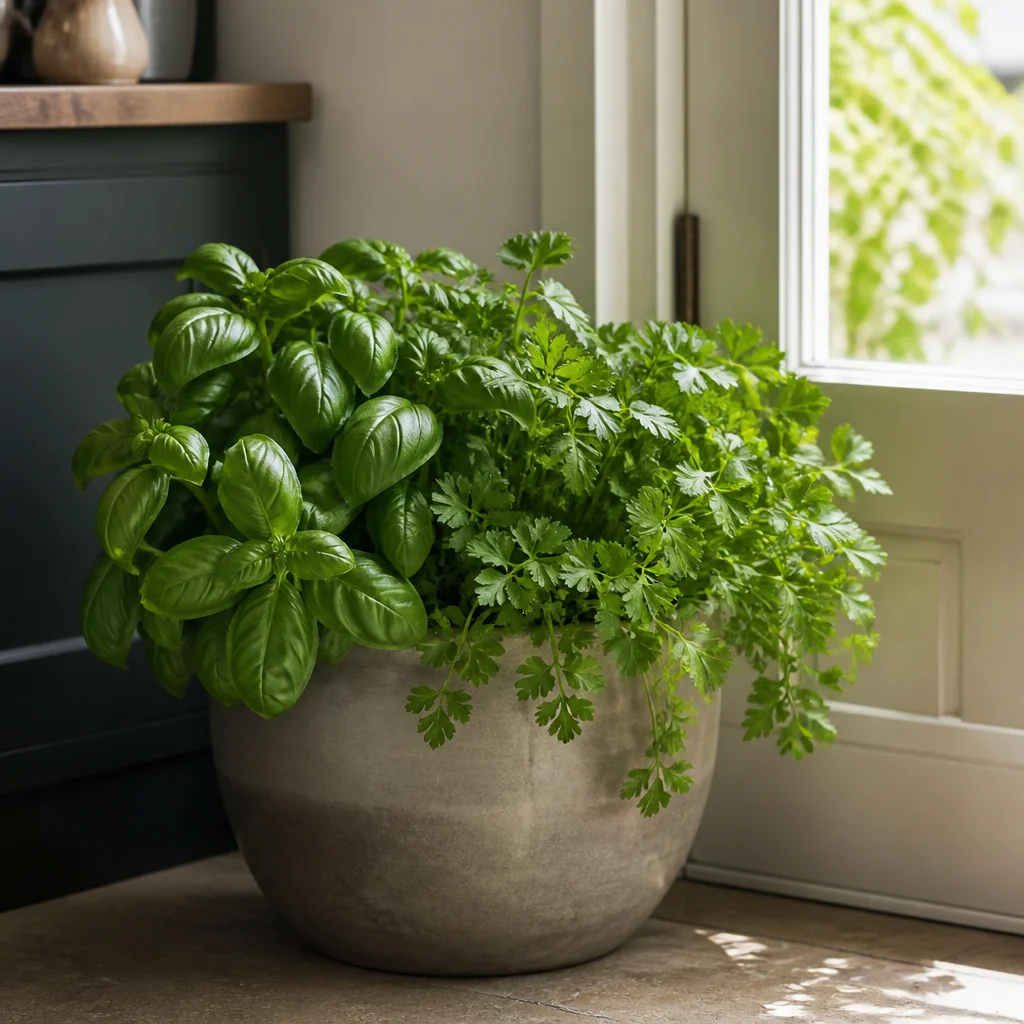
Basil and parsley make a useful partnership for cooks who want tender leaves close at hand. Both appreciate fertile, well-drained soil that stays moderately moist, although basil needs warmth and plenty of sun. A roomy pot near a sunny kitchen door makes it easy to check moisture and gather a few stems for dinner. Water at soil level when the top inch begins to dry, adjusting for weather and container size. Set a bushy basil plant behind a clump of flat-leaf or curly parsley, leaving space for air to circulate. Pinch basil just above a pair of leaves to encourage branching, and cut parsley’s outer stems near the base. Basil is frost-sensitive, so plant it outdoors after cold nights have passed. Parsley may persist longer in cool weather, but usually flowers in its second year.
Give Mint Its Own Contained Territory
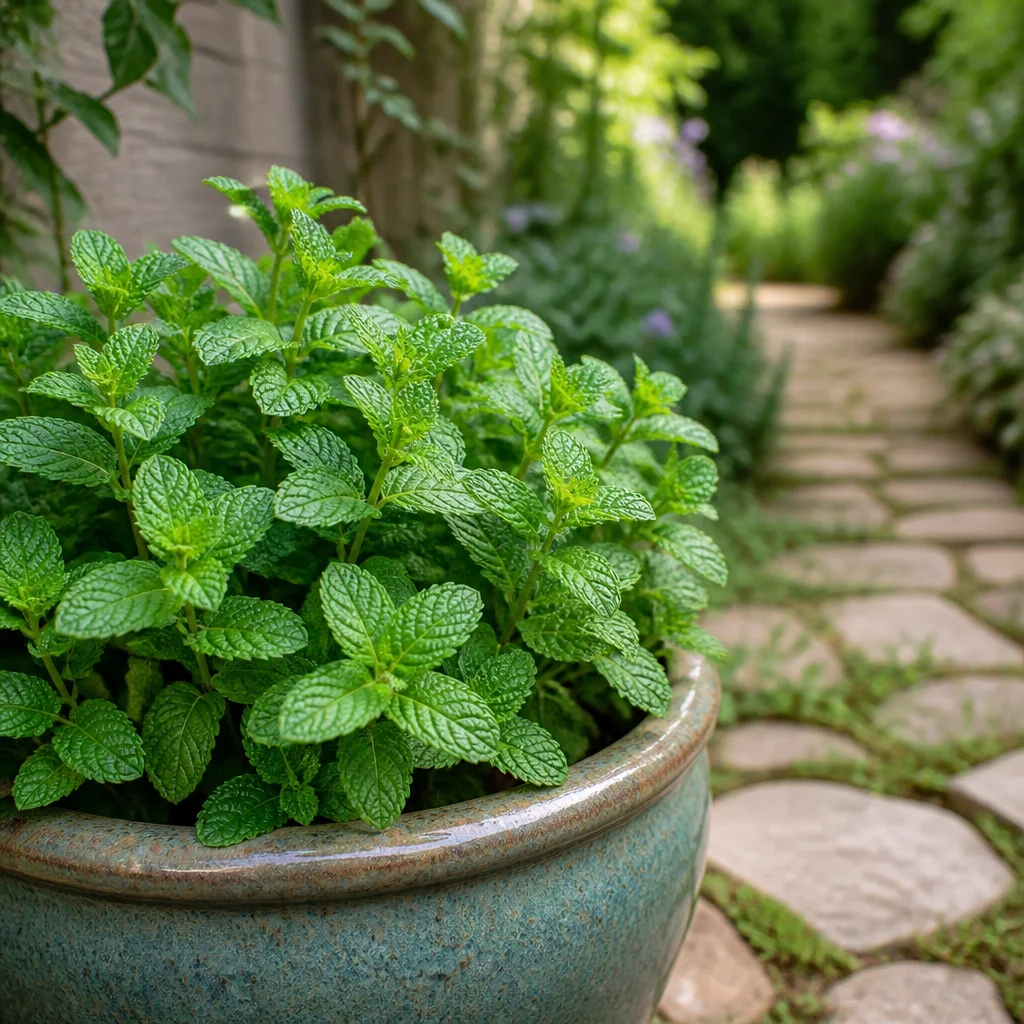
Mint enjoys moist soil and can grow in sun or partial shade, but its spreading stems and roots make it a poor choice for an unrestricted mixed bed. Give it a pot of its own, then place that pot beside parsley or chives if their light and watering needs suit the position. This keeps the grouping practical without allowing mint to crowd out its neighbors. Choose a container with drainage holes and keep the compost evenly moist rather than saturated. A wide pot lets you harvest freely, while regular cutting keeps the plant leafy and fresh. If you sink the pot into a bed for a neat look, leave the rim above soil level and check the drainage holes for escaping roots. Chocolate, apple, or spearmint varieties can be arranged in separate pots for a varied collection.
Use Chives to Edge a Partly Shaded Bed
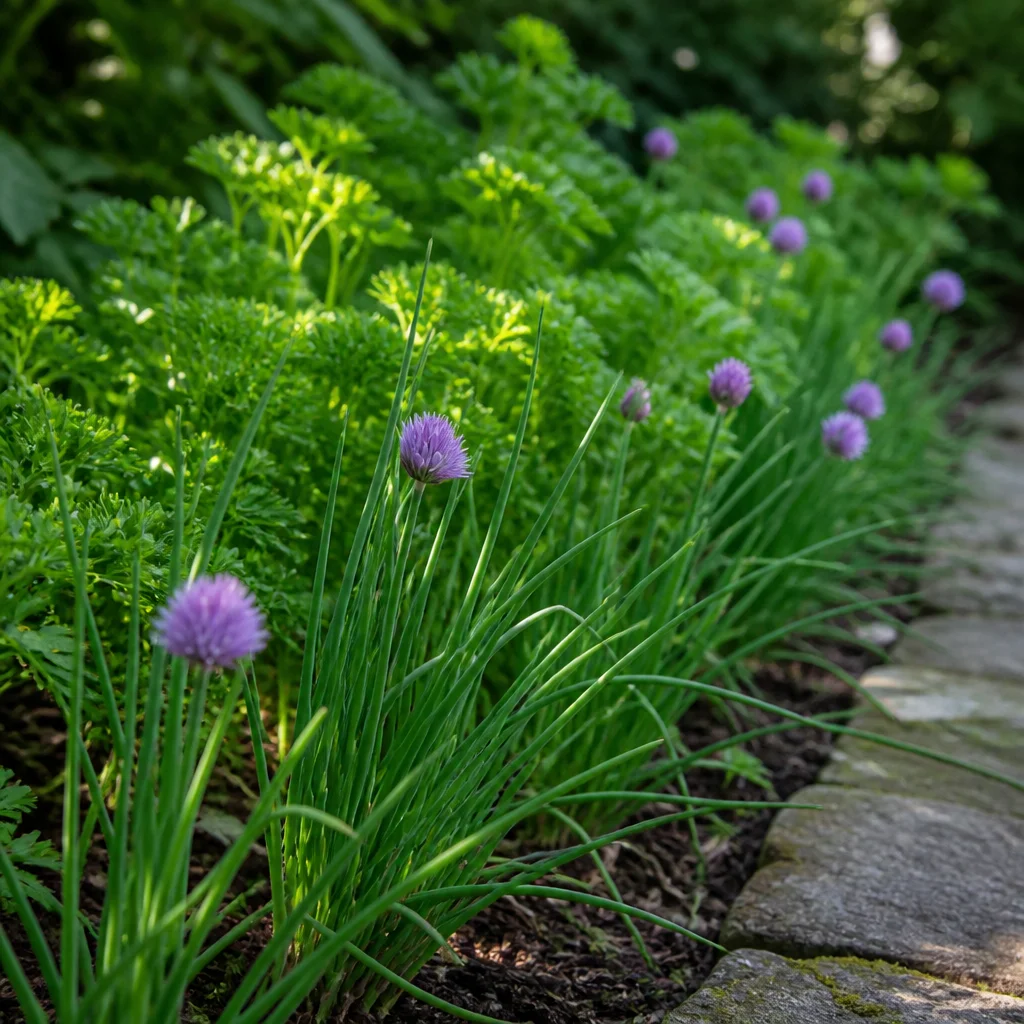
Chives and parsley are a manageable pairing for a bed that receives morning sun and some afternoon shade. Both appreciate reasonably fertile soil and regular moisture, though neither wants constantly soggy roots. Plant chives along the front edge, with parsley behind, so their upright leaves form a tidy border that remains easy to reach with scissors. Space young plants according to their expected spread and mulch lightly around them to reduce moisture loss, keeping mulch away from the crowns. Harvest chive leaves from the outside of the clump or cut a portion back close to the base; new growth will follow during the growing season. The rounded flowers add a decorative accent, and you can remove spent blooms if you want to limit self-seeding.
Plan Around Height and Spread in a Sunny Bed
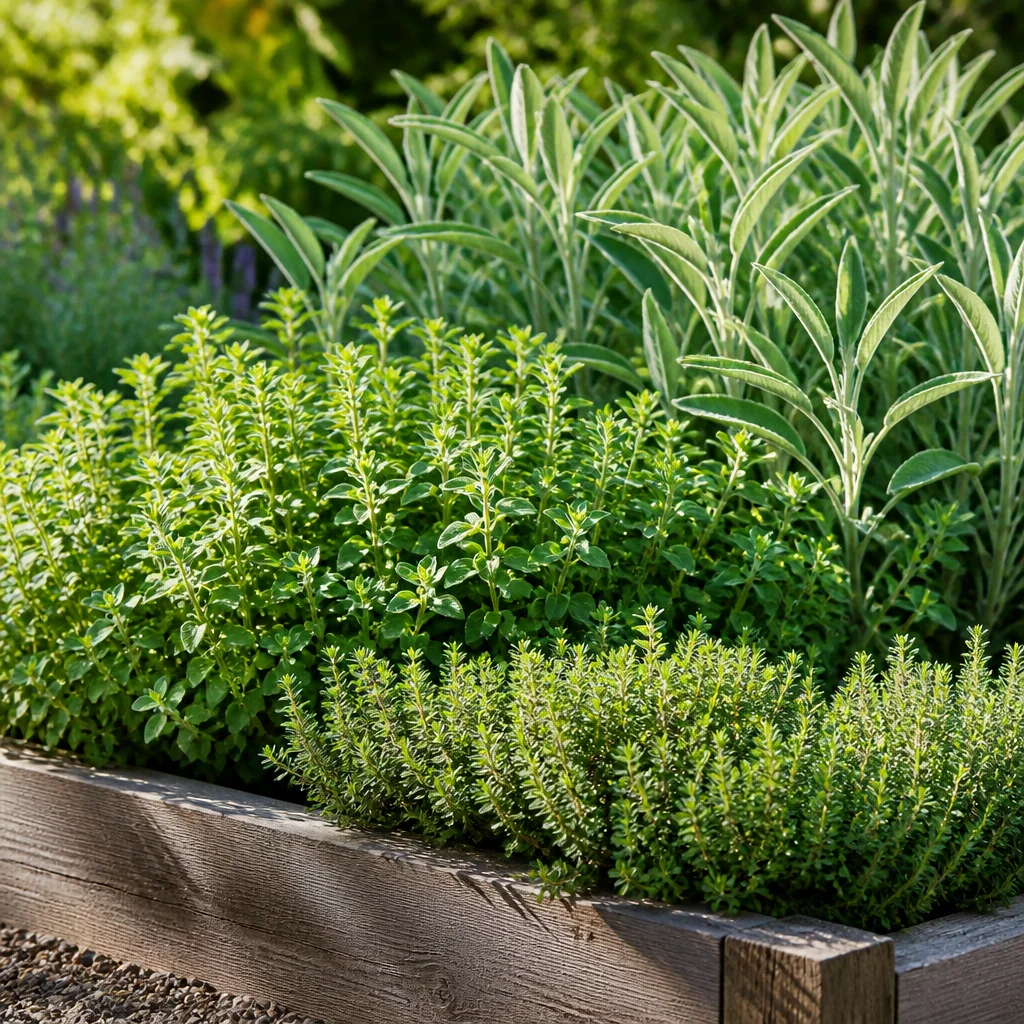
A sunny, well-drained bed can accommodate sage, oregano, and thyme when each has room to develop. Place the taller sage toward the back or center, oregano in the middle, and low-growing thyme along a path or bed edge. The arrangement keeps smaller plants from disappearing beneath larger ones and makes it easy to brush past aromatic foliage. Check plant labels for mature dimensions rather than filling every gap at planting time. Oregano can spread, so trim its edges and divide established clumps when needed. Harvest thyme lightly and often, avoiding hard cuts into old woody growth. In heavy clay, improve the planting area’s drainage or use a raised bed; adding a thin layer of gravel alone at the bottom of a planting hole will not solve poor drainage.
Keep Cilantro and Dill Easy to Renew
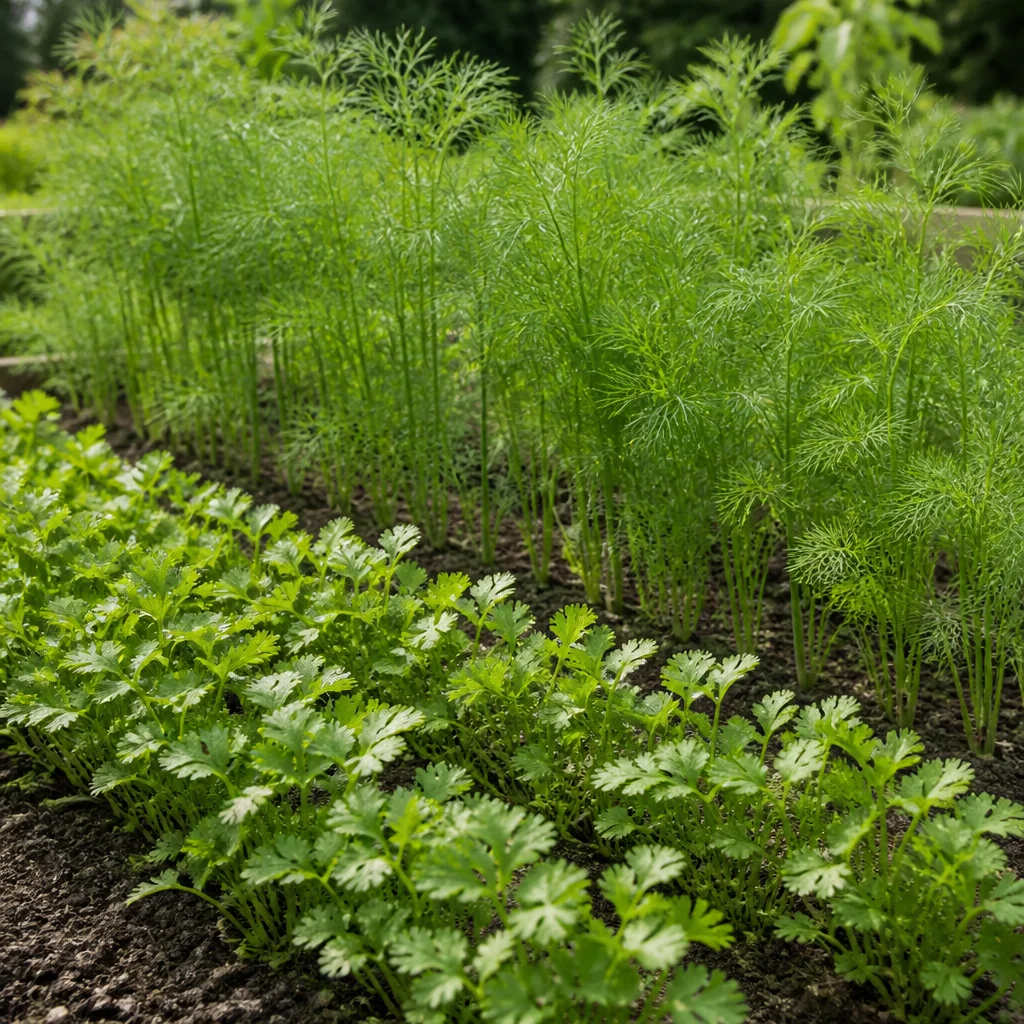
Cilantro and dill are useful companions for a sunny bed with moderately moist, well-drained soil. Both can flower quickly as temperatures rise, so think of them as crops to sow repeatedly rather than permanent leafy plants. Sow small amounts every few weeks in suitable cool-to-mild weather, following packet directions for your climate. Give dill the taller position behind cilantro and leave enough space for air movement. Both can develop long roots, making direct sowing in a bed or deep container a practical choice. Harvest cilantro’s outer leaves while the plants are young, and snip dill foliage as needed. If some plants flower and set seed, you can collect the seeds for cooking or allow a few to drop where volunteers are welcome.
Create a Flexible Container Group
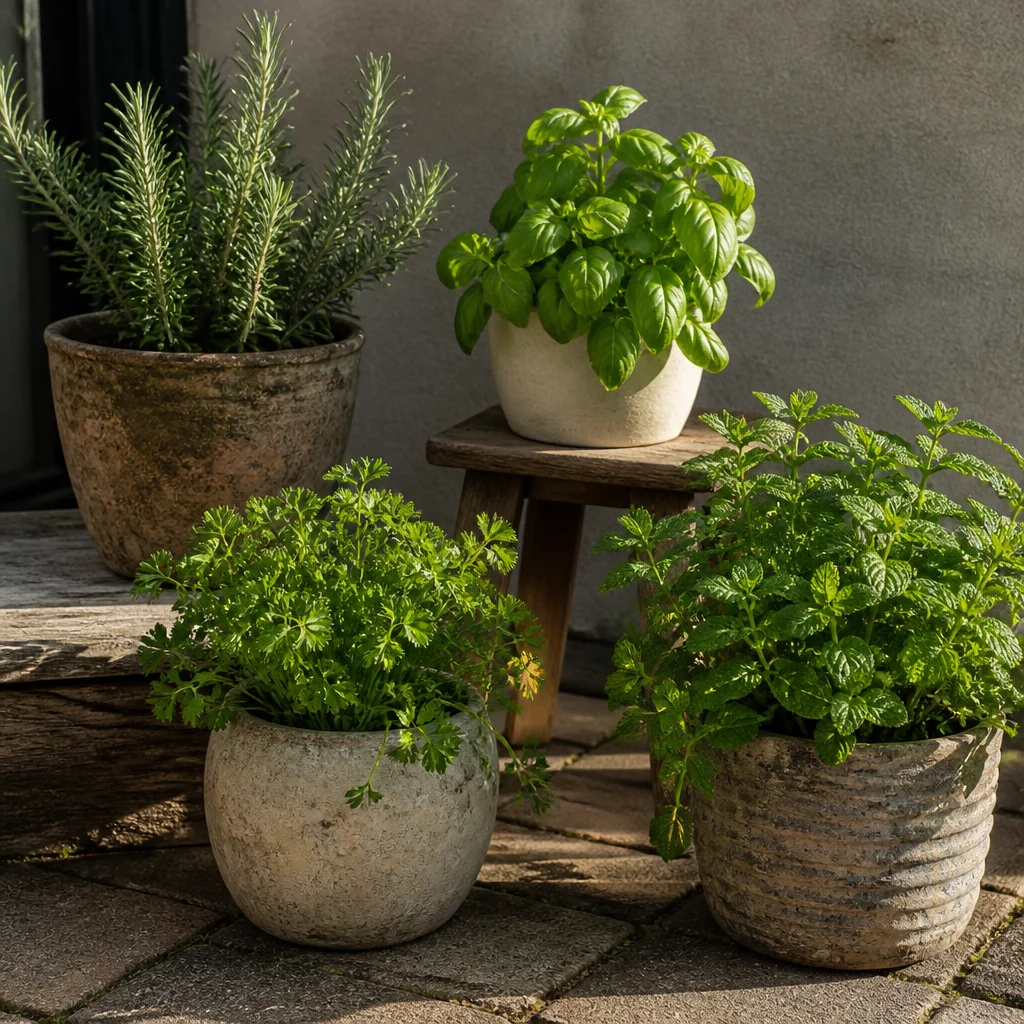
Separate pots arranged together offer the look of a mixed herb garden without forcing incompatible roots to share soil. Group rosemary, thyme, and sage in the sunniest, quickest-drying positions; keep basil and parsley nearby where you can water them more often. Mint can join the display in its own container, perhaps at the shadier end. Repeat one material or color across the pots for a cohesive look, then vary their heights with sturdy plant stands or an upturned empty pot. Leave enough space to lift each container, check drainage, and reach leaves without crushing neighboring plants. Small pots dry faster than large ones, and porous clay can dry more quickly than glazed containers, so assess each pot individually rather than watering the whole display on a fixed schedule.
Harvest and Trim to Keep Companions Balanced
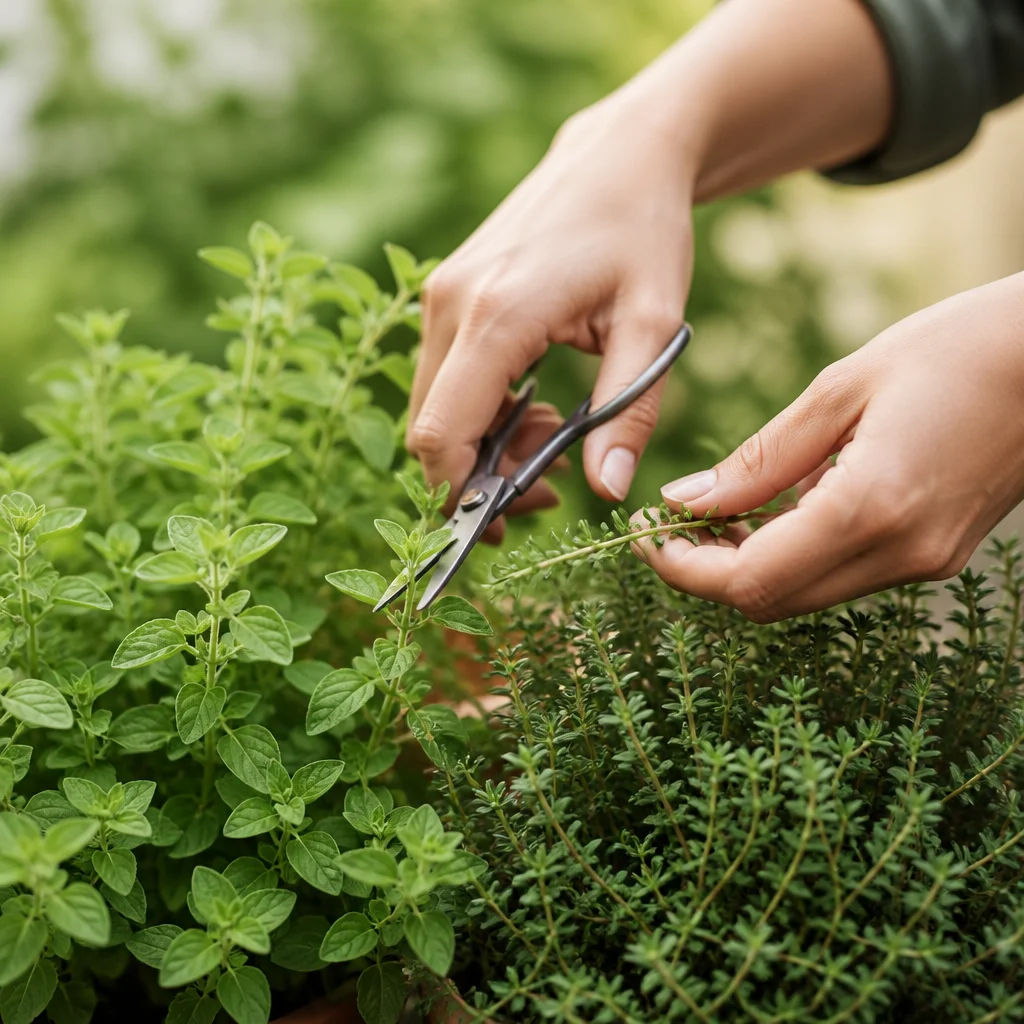
Even well-matched herbs need occasional adjustment as they grow. A vigorous oregano can shade thyme, and an unpinched basil plant can become tall and sparse. Walk around the planting every week during active growth, removing damaged leaves and trimming the plants that are encroaching on their neighbors. Harvest modest amounts from several plants instead of stripping one bare. Use clean, sharp scissors and cut leafy stems above healthy growth points where possible. Avoid removing more foliage than the plant can comfortably replace, especially during heat, drought, or cold stress. Woody herbs benefit from regular light shaping while actively growing, but cutting deeply into leafless old stems can leave gaps that recover slowly or not at all.
Refresh Combinations as Seasons Change
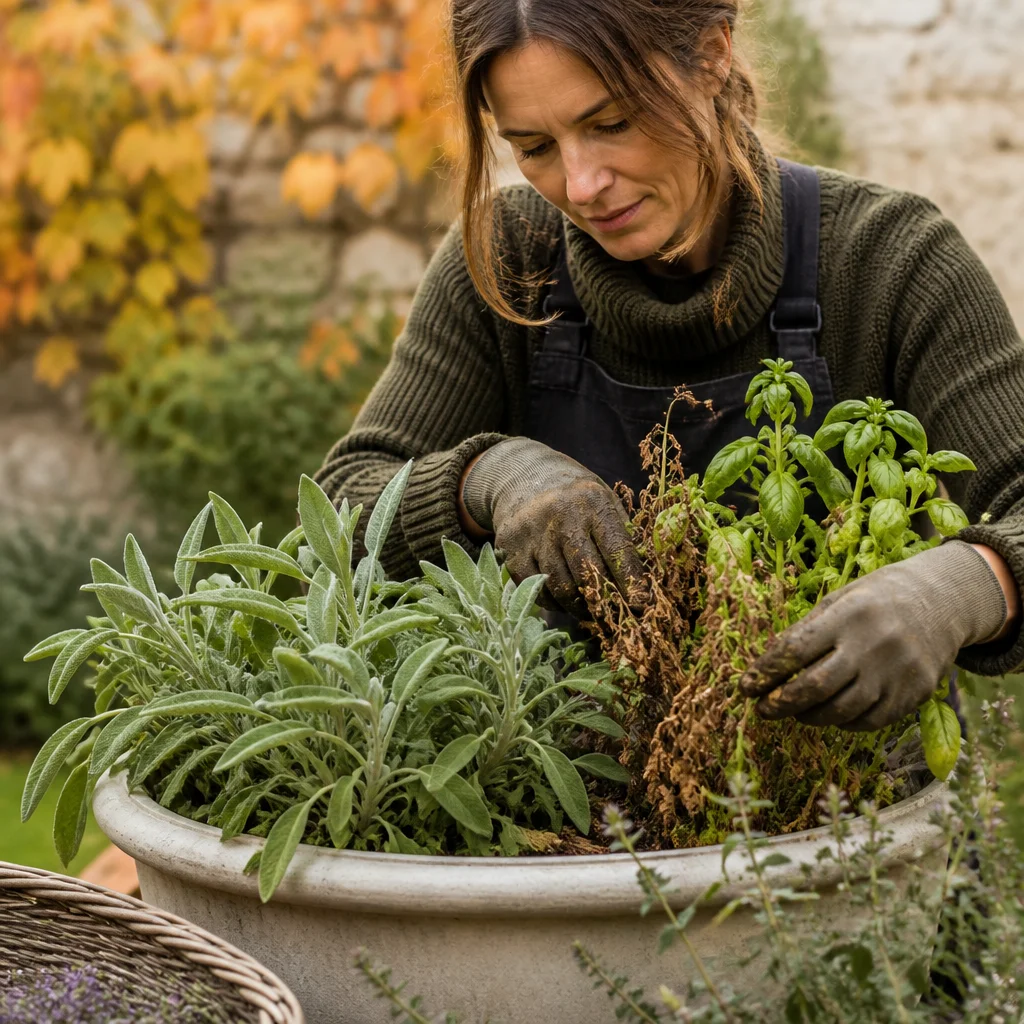
A mixed herb planting is not a fixed arrangement. Basil declines with cold, cilantro may bolt in heat, and perennial herbs can become woody or crowded over time. At the end of each season, remove exhausted plants, clear fallen leaves, and check whether the remaining herbs still have enough light and space. Replace a fading annual with another herb suited to the current conditions rather than automatically repeating the same combination. In containers, inspect roots and refresh tired potting mix when plants become congested or water runs through without properly wetting the soil. In beds, add suitable organic matter where leafy herbs need it, while keeping Mediterranean herbs in the better-drained areas. A little seasonal editing preserves both the practical harmony and the inviting, abundant appearance of the garden.
How did this story make you feel?
Choose one reaction. You can change it later.