Annual Flowers9 min read
Annual Flowers for Cutting Gardens: Varieties That Keep Producing Stems
A productive cutting garden is less about growing the rarest flowers and more about choosing annuals that respond well to regular picking. The best varieties for bouquets do not give one brief flush and stop; they branch, rebloom, and send up stem after stem when harvested at the right stage. For home gardeners, that means more color indoors over a longer season and better value from every patch of soil, raised bed, or row. When selecting annual flowers for cutting, four qualities matter most: repeat flowering, useful stem length, a color range that suits your style, and a planting plan that avoids feast-or-famine harvests. Some annuals are generous by nature, while others become more productive when pinched, spaced well, and sown in waves. With a few dependable choices and simple succession habits, it is possible to cut bouquets steadily from early summer into autumn.

Choose annuals that improve with cutting
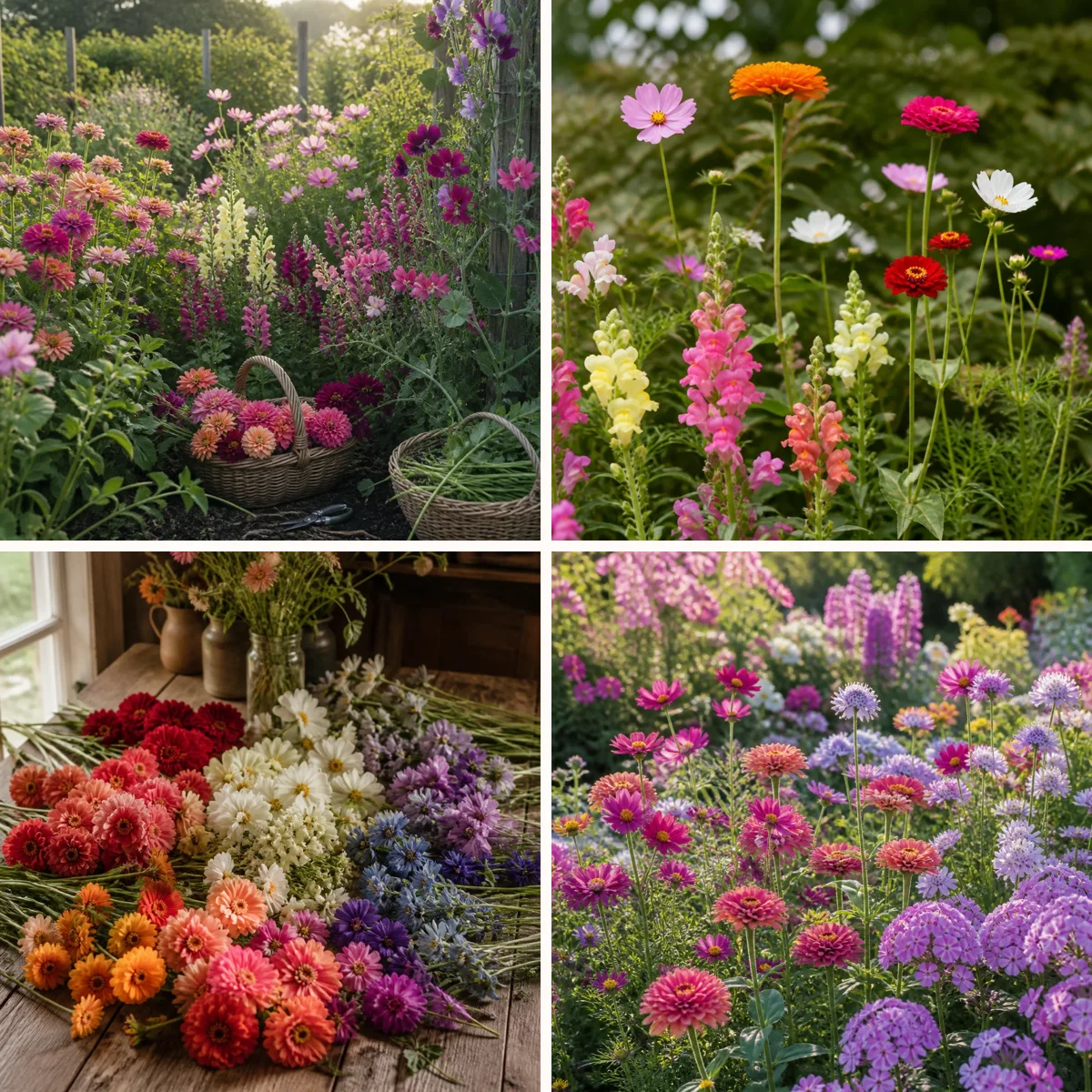
The most rewarding cutting annuals are often called cut-and-come-again flowers because harvesting encourages them to produce more side shoots and more blooms. Cosmos, zinnias, snapdragons, sweet peas, calendula, scabiosa, annual phlox, and branching sunflowers are all strong candidates, but they differ in season, mood, and vase role. Some are airy fillers, some provide focal blooms, and some offer vertical lines that make arrangements look fuller without needing many stems. A simple way to choose is to build around three or four core performers rather than sowing tiny amounts of many unfamiliar kinds. Zinnias offer bold color and steady production in warm weather, cosmos bring movement and lightness, snapdragons add spires in cooler periods, and sweet peas supply fragrance early in the season. This kind of balanced mix keeps bouquets varied while ensuring that most of what you grow is truly useful for repeat cutting.
Prioritize stem length as much as flower size
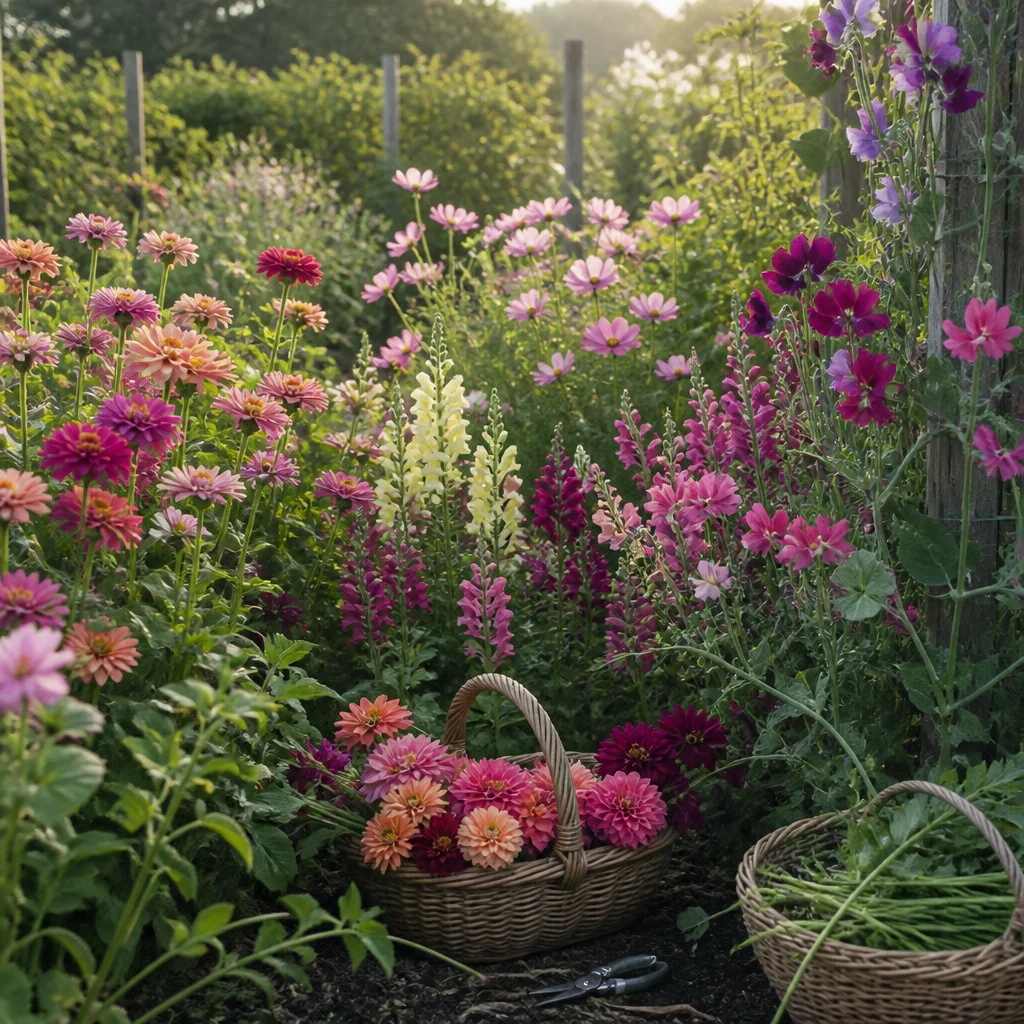
Large blooms can be tempting in seed catalogs, but stem length is what makes a flower easy to arrange. A cutting garden variety should have enough length to work in both small hand-tied posies and taller vase arrangements. Many annuals bred for borders stay too short, while taller cutting strains produce cleaner, straighter stems and place flowers above the foliage where they are easier to harvest. When comparing varieties, look for branching forms and descriptions that emphasize florist use, long stems, or cutting performance. Tall zinnias, cutting cosmos, column-type snapdragons, and ornamental basil with long flowering spikes all earn their space by giving more usable material per plant. Even filler flowers become far more versatile when stems are long enough to weave through an arrangement instead of sitting awkwardly at the rim of the vase.
Use color families to make harvesting easier
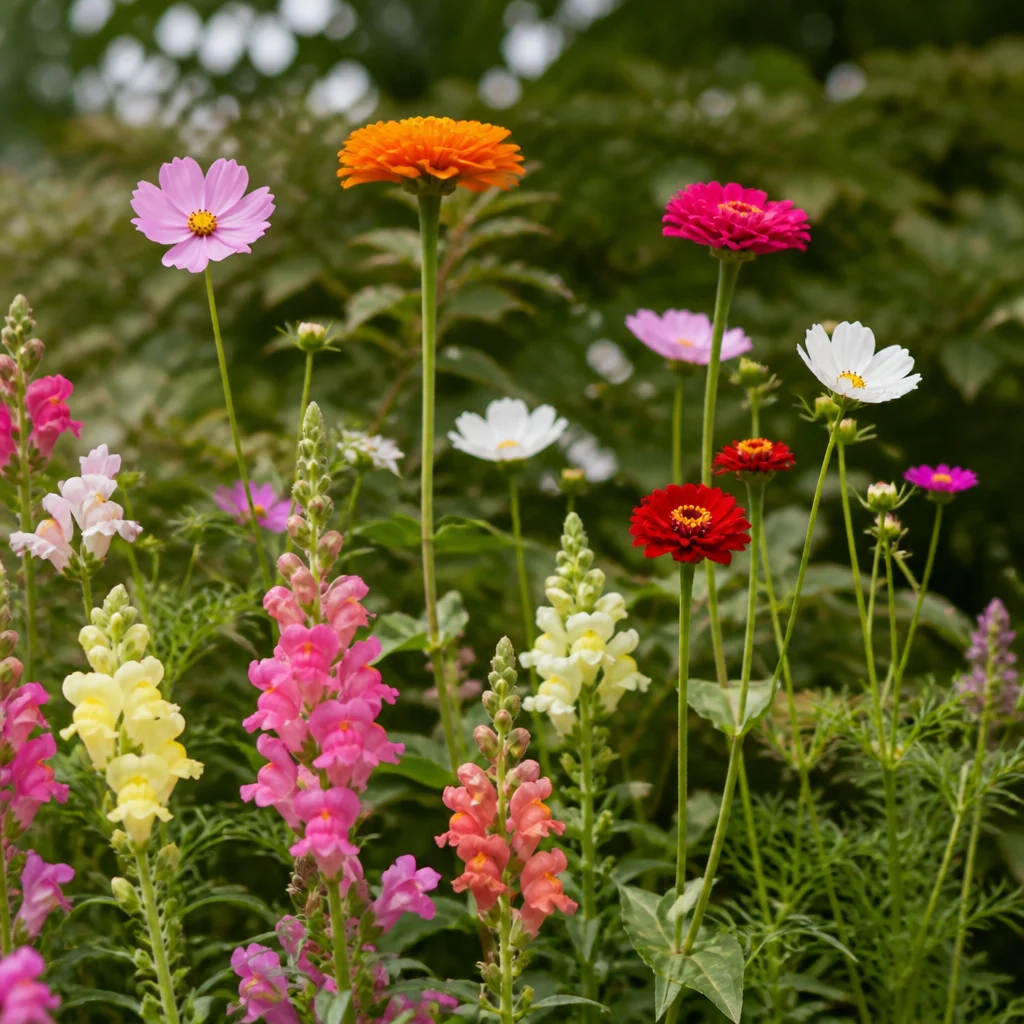
A broad color range is one of the joys of annual flowers, but too many unrelated shades can make bouquet making feel harder than it should. One practical approach is to grow annuals in color families: warm shades such as apricot, coral, gold, and soft red in one part of the bed, and cool shades such as white, lavender, rose, and burgundy in another. This makes cutting more efficient because stems gathered together already harmonize. Zinnias, cosmos, phlox, asters, and strawflowers are especially useful for this strategy because they are available in wide palettes. A restrained mix often looks more abundant than a random one. White also deserves special attention; it brightens deep tones, softens hot colors, and helps tie mixed bouquets together. Including a few reliable white annuals means almost any handful of stems can become a polished arrangement without much effort.
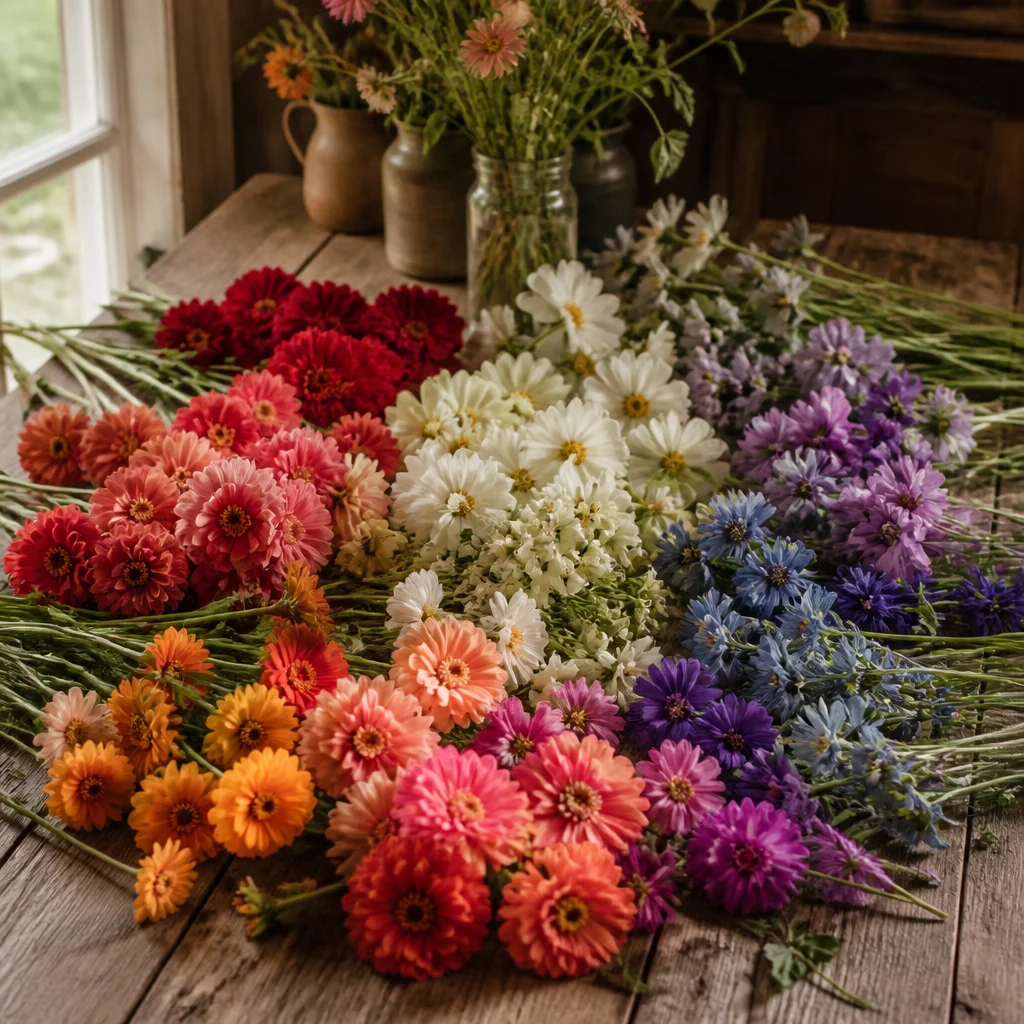
Rely on branching stars for midsummer abundance
If the goal is armfuls of stems in the main summer season, branching annuals should dominate the planting plan. Zinnias are among the most dependable, flowering heavily once heat arrives and continuing if blooms are cut before they age on the plant. Cosmos are equally generous, especially when kept picked, and their finer texture prevents bouquets from feeling stiff or heavy. Scabiosa and annual phlox can also be remarkably productive, supplying smaller blooms that bridge gaps between larger flowers. These branching annuals are useful because they keep replacing what you remove. Instead of one central bloom and a short finish, they throw side shoots from lower nodes and maintain momentum for weeks. For home growers, this means fewer empty spaces in the garden and more flexibility at cutting time. Even a modest bed can produce frequent bouquets if most of the planting is made up of varieties designed to branch and recover quickly.
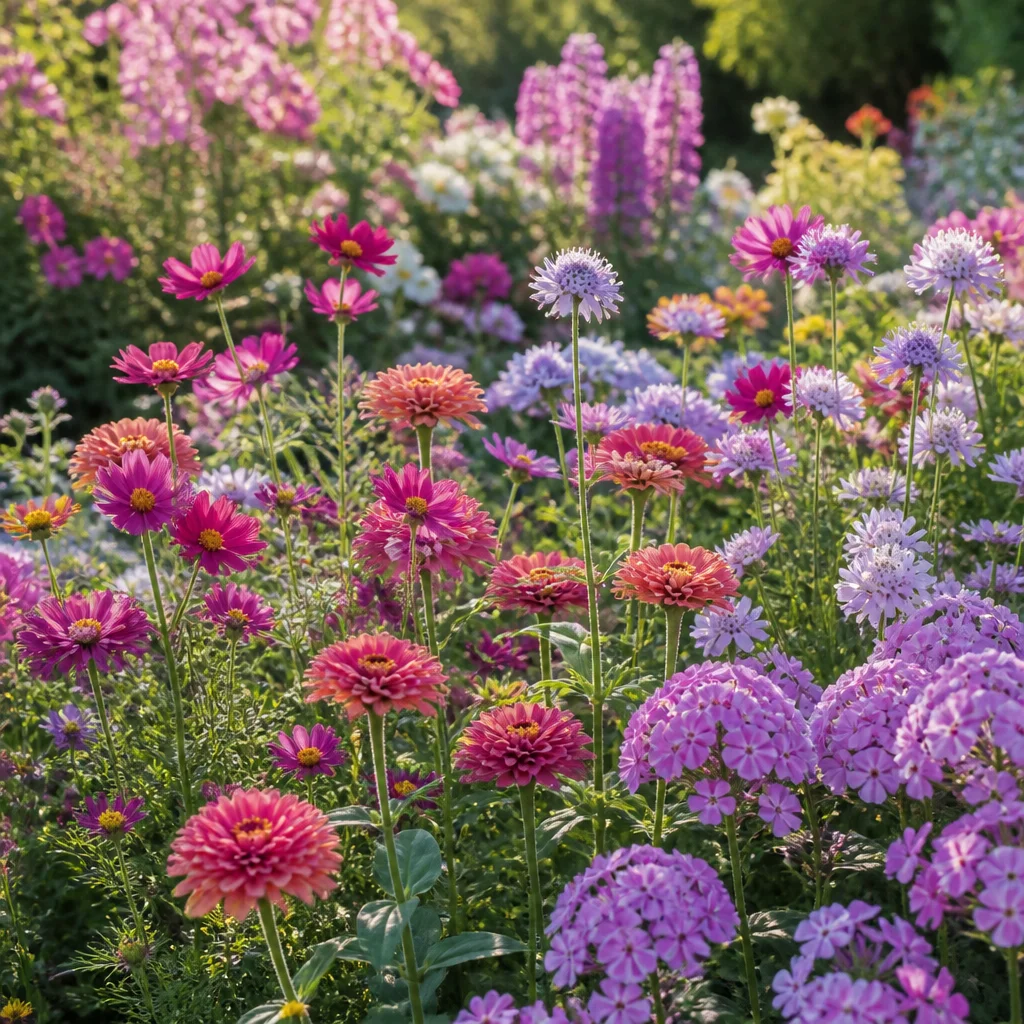
Add spike and line flowers for structure
Bouquets look more professional when they contain more than round flower heads. Spikes and line flowers create height, rhythm, and contrast, which helps simple garden-picked bunches feel intentional. Snapdragons are especially valuable because they bloom on long stems, offer many colors, and suit both cottage-style and more refined arrangements. Larkspur can provide a looser early-season vertical accent in climates where it grows well, while ornamental grasses or flowering basil can add narrow movement later on. These structural stems are also productive space savers because a small patch can change the look of many bouquets. Instead of needing dozens of large focal blooms, a few spires can give shape and lift to a vase. Planting even one row of line material alongside rounded flowers like zinnias and calendula creates better design options throughout the season without greatly increasing the size of the garden.
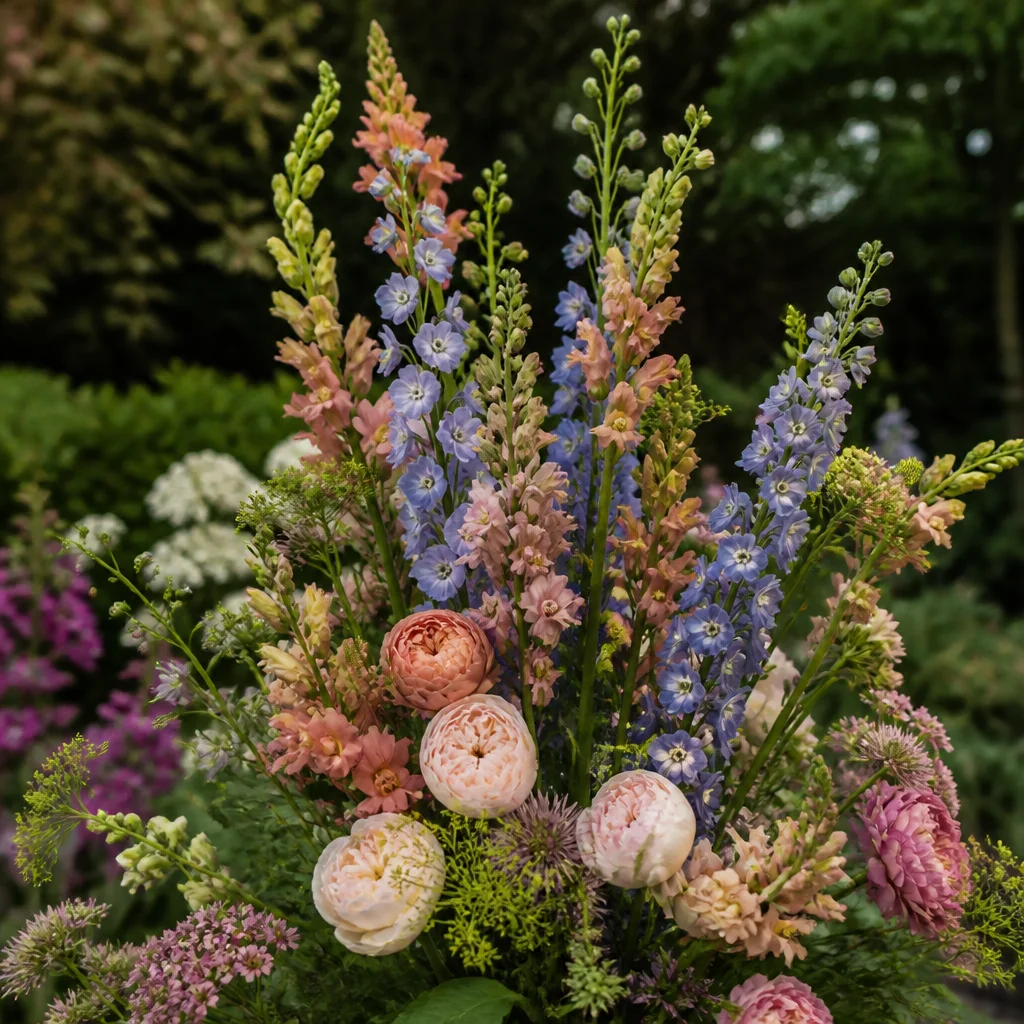
Do not overlook fillers and foliage from annual beds
A steady cutting garden depends on more than showy flowers. Fillers and foliage make bouquets look lush, help support delicate blooms, and stretch the harvest when focal flowers are scarce. Annual options such as bupleurum, dill, ammi, annual baby’s breath, flowering basil, and even seed heads from grasses can all contribute useful texture. These are often as important as the headline flowers because they provide the airy material that lets each arrangement breathe. Including foliage-rich annuals also improves harvesting flexibility. On weeks when the main flowers are between flushes, stems of scented basil, feathery dill, or fresh green ammi can still carry a bouquet. Soft green, silver-green, and dark foliage tones influence the final mood just as strongly as petal color. A cutting garden feels much more productive when every harvest basket includes supporting stems rather than only isolated flowers.
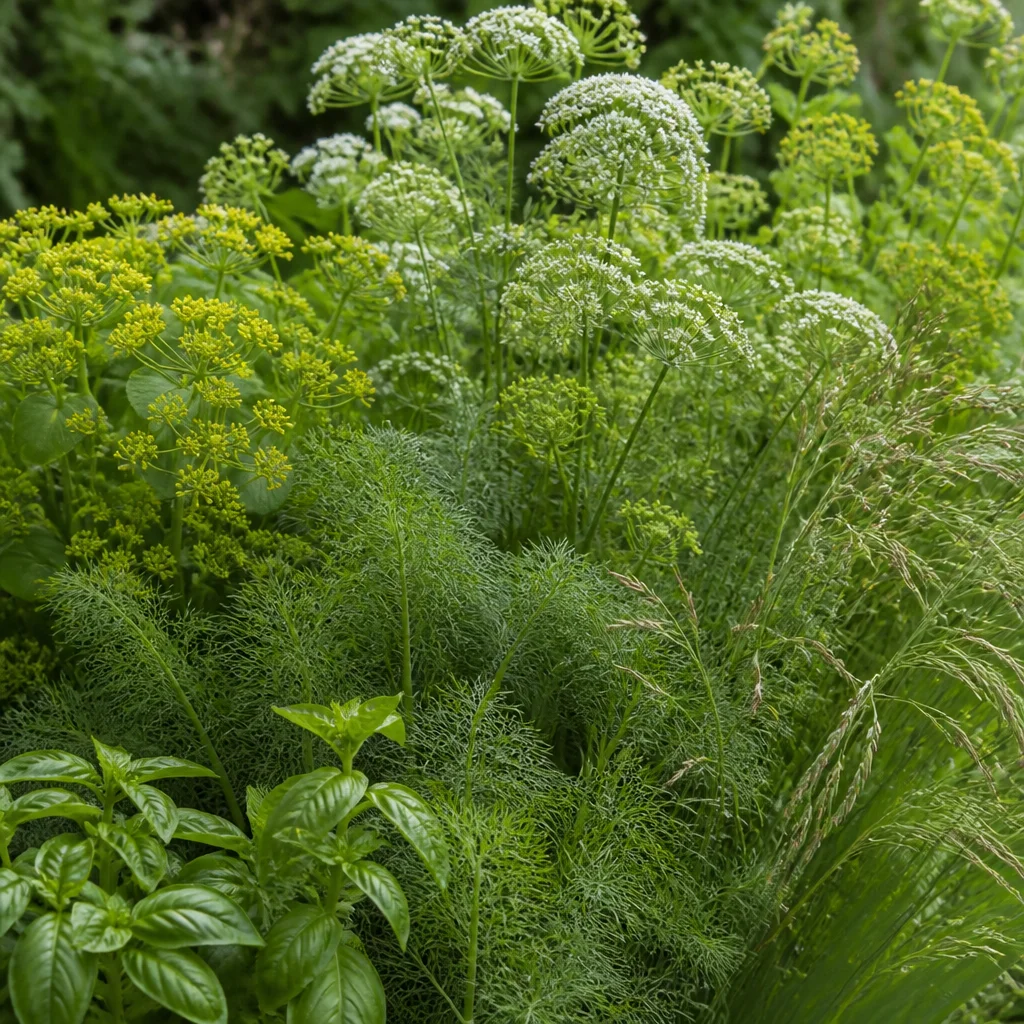
Pinching and regular cutting multiply the stem count
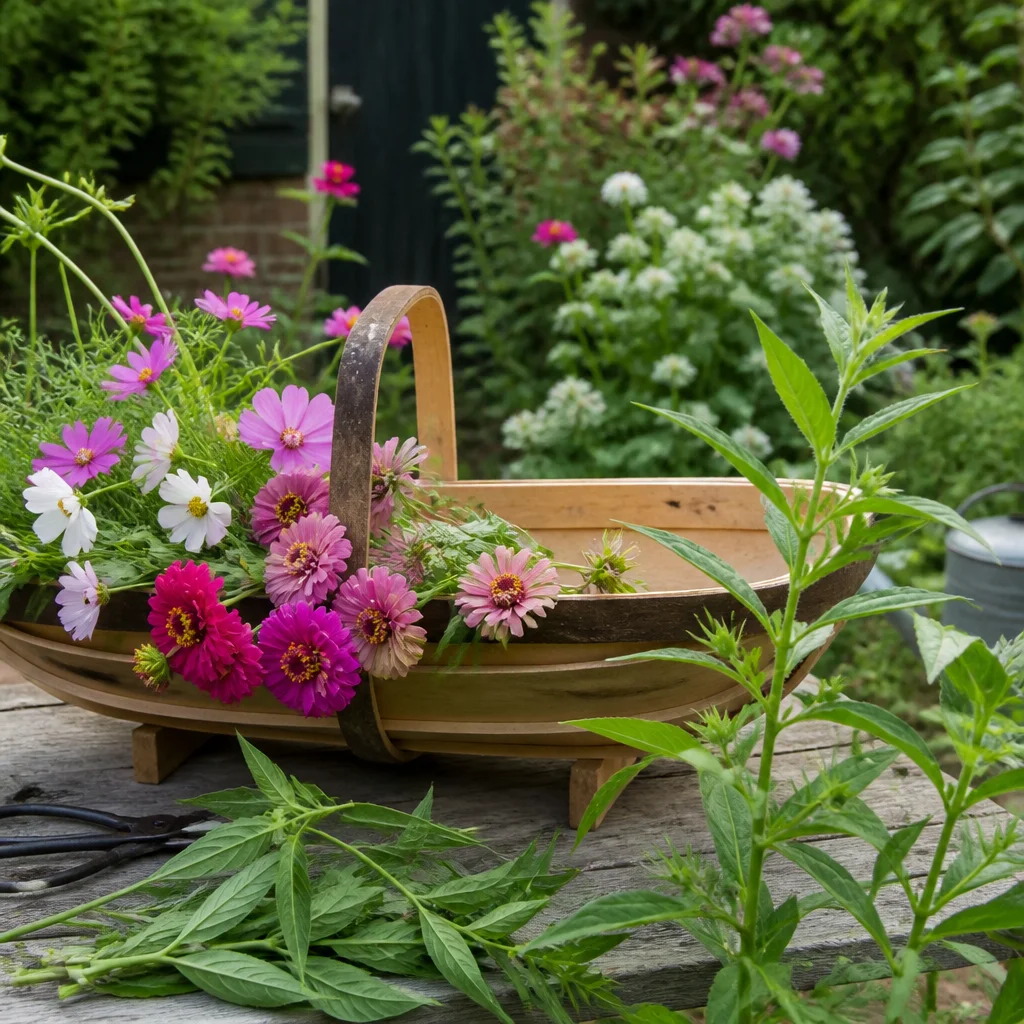
Many annuals become far more productive when pinched young. Removing the central growing tip once plants are established encourages branching, leading to more flowering stems and often a more manageable shape for cutting. Zinnias, cosmos, basil, and amaranth usually respond especially well, while single-spire flowers may not be treated the same way. This one early task can make the difference between a few dramatic stems and weeks of useful harvests. Regular cutting matters just as much as pinching. Flowers left to mature fully on the plant often slow down new bud production, especially annuals that naturally want to set seed quickly. Harvesting frequently tells the plant to keep growing and blooming. For a home cutting garden, the best habit is simple: cut often, remove spent flowers promptly, and take stems deep enough to encourage strong side shoots rather than snipping only the bloom head.
Use simple succession sowing to avoid gaps
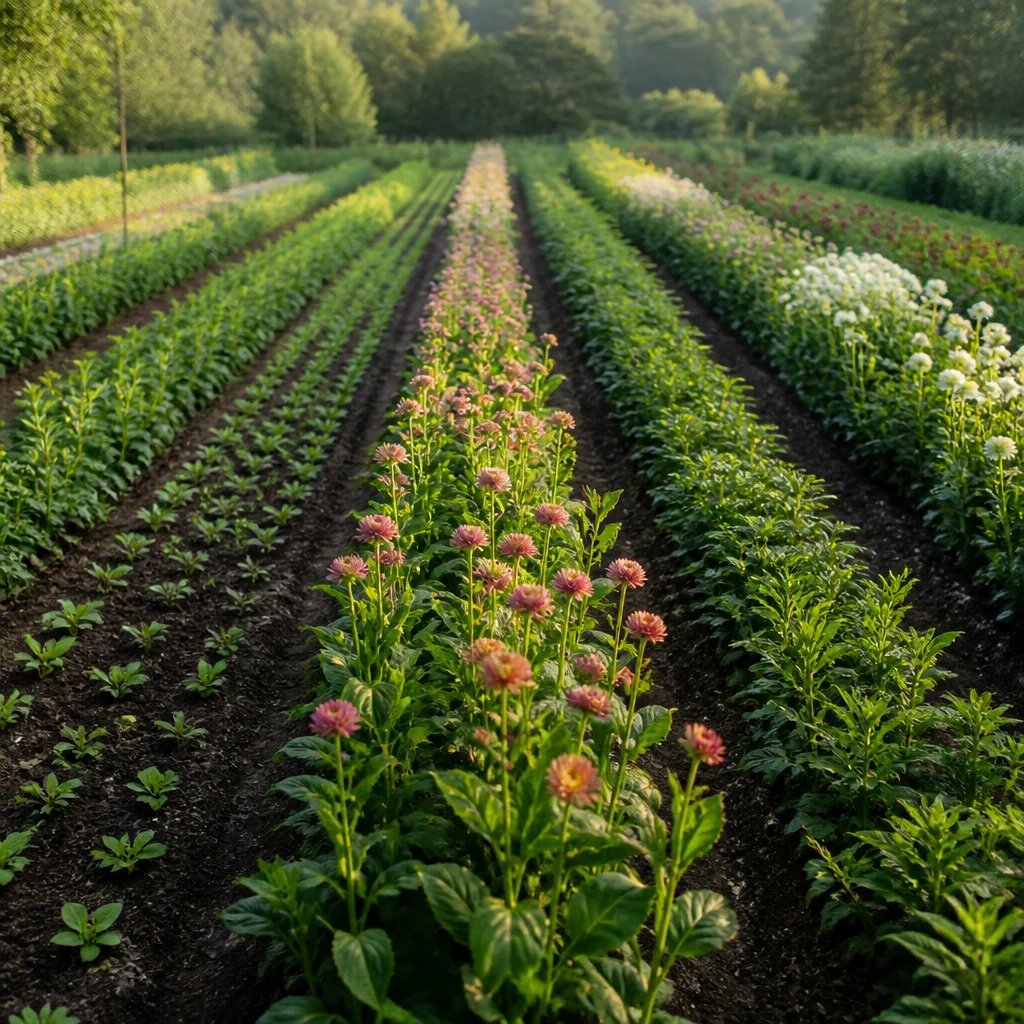
Even the best repeat bloomers have a natural rhythm, and sowing everything at once can create a glorious peak followed by a lull. A practical solution is succession sowing: plant short rows or small blocks of favorite annuals every two to three weeks during the suitable sowing window. This works particularly well for zinnias, cosmos, sunflowers, and some fillers, ensuring that younger plants come on just as the first sowings begin to tire. Succession does not have to be complicated to be effective. For a home garden, two or three sowings of the same variety often provide enough continuity. It is especially helpful with flowers that may decline in extreme heat, become disease-prone later in the season, or lose stem quality after their first heavy flush. Staggered plantings also spread risk: if one sowing struggles with weather or pests, the next may still perform beautifully.
Harvest at the right stage for longer vase life
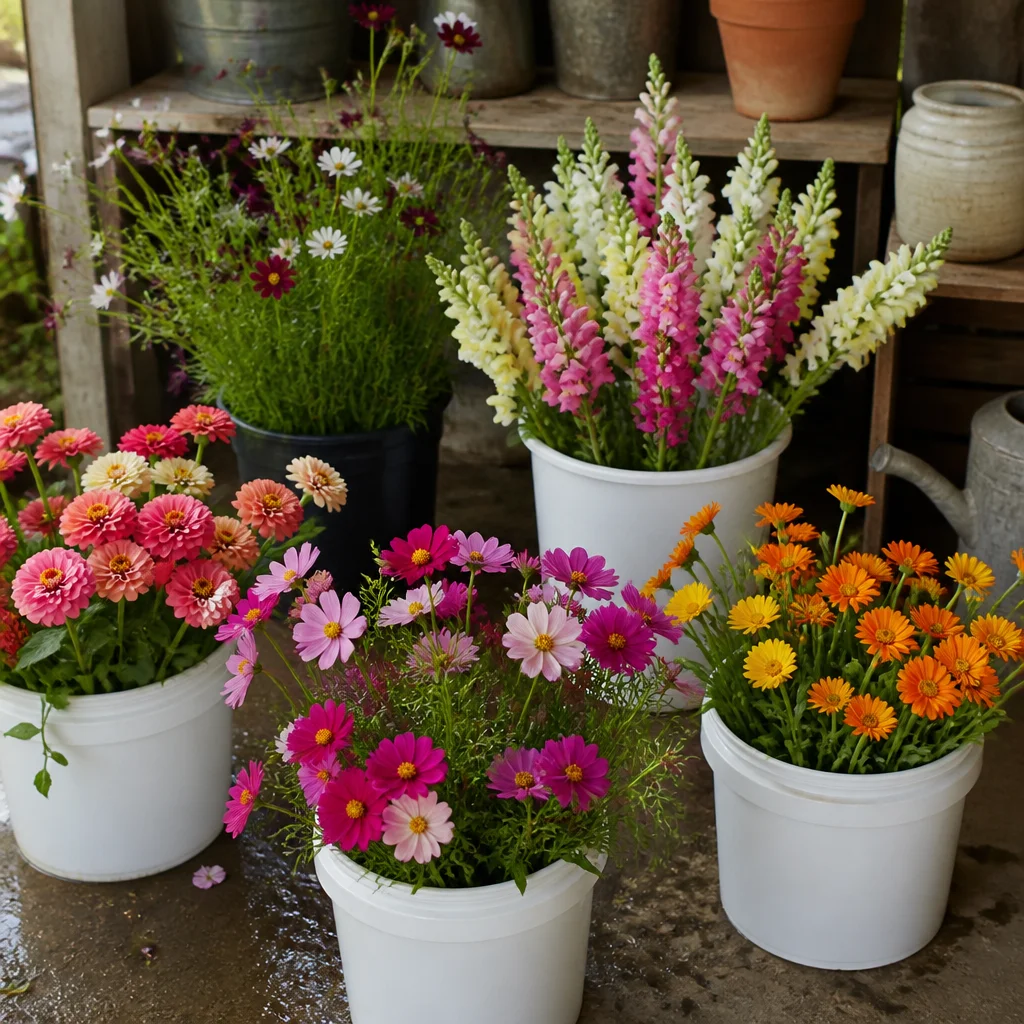
Choosing productive varieties is only part of the equation; cutting them at the correct stage keeps the harvest useful indoors. Zinnias should be fully open and pass the simple stem test of feeling firm rather than limp at the neck. Cosmos are often best when newly open, snapdragons when several florets are open on the spike, and calendula before blooms begin to shed pollen. Picking too early can mean weak stems or flowers that fail to finish properly in water, while picking too late shortens display time. Morning harvests are usually easiest on the plants and on the flowers, especially during hot weather. Bring stems quickly into shade, strip any foliage that would sit below the waterline, and place them into clean water as soon as possible. These small routines protect all the work that went into choosing and growing prolific annuals. A flower that lasts well in the vase is effectively more productive because each stem serves longer indoors.
Plan bouquets from the bed, not just from the vase
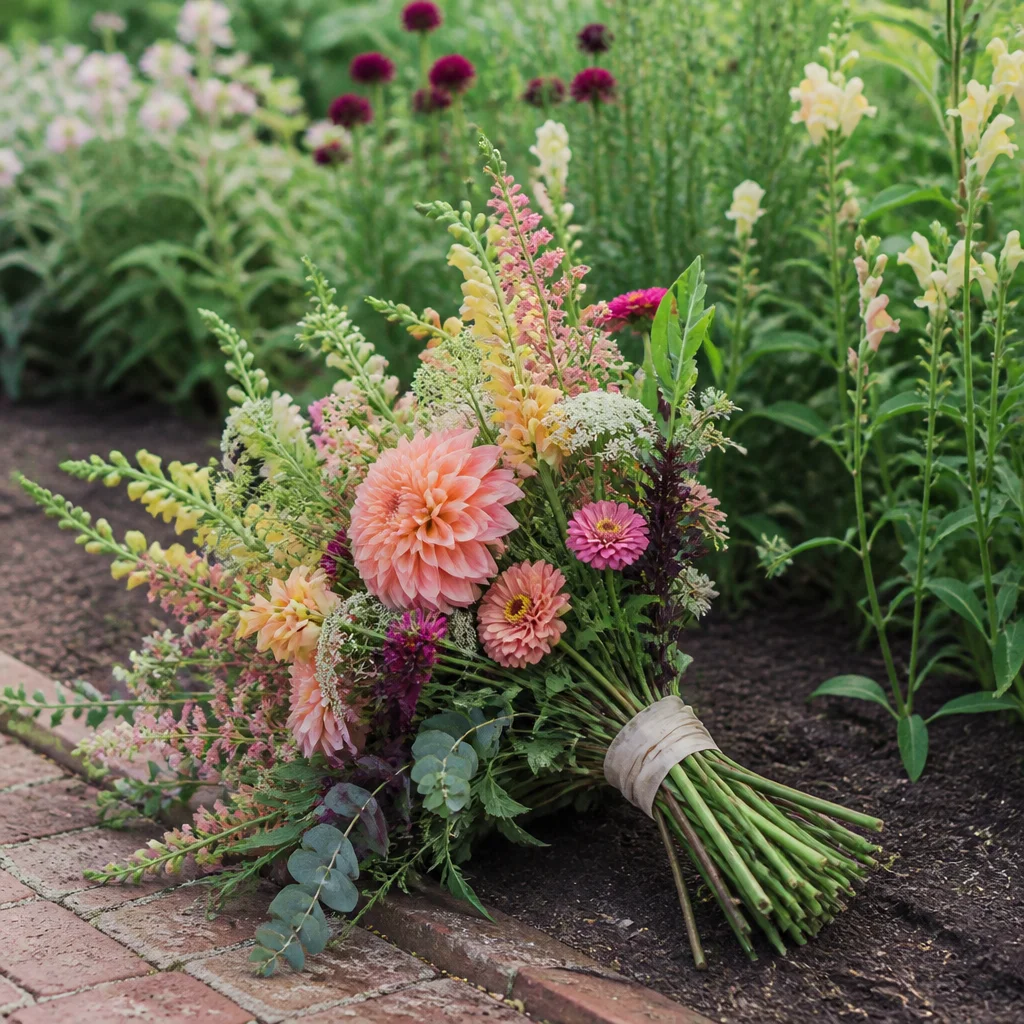
The most efficient cutting gardens are planted with bouquet building in mind. Instead of grouping flowers only by height or bloom time, think about how each plant will function in arrangements: focal flower, supporting bloom, spire, filler, or foliage. A bed that includes all five roles is easier to harvest from than one filled with only large, attention-grabbing flowers. This planning approach also helps avoid overplanting beautiful varieties that are hard to combine with anything else. For everyday arranging, a reliable formula is one bold focal flower, one lighter companion, one vertical or airy element, and one foliage or filler stem type. In practice, that might mean zinnias with cosmos, snapdragons, and basil, or calendula with phlox, dill, and ammi. By growing annuals that keep producing in each of these categories, gardeners can make bouquets that feel abundant and balanced week after week, without needing a large space or complicated techniques.
How did this story make you feel?
Choose one reaction. You can change it later.